

More news on this day
Travelers departing Memphis were met with long lines, crowded gates and frustrated conversations today as six flights were cancelled and at least 17 more were delayed at Frederick W Smith International Airport, temporarily upending schedules on American Airlines, Delta Air Lines, United Airlines and Southwest Airlines.
Get the latest news straight to your inbox!
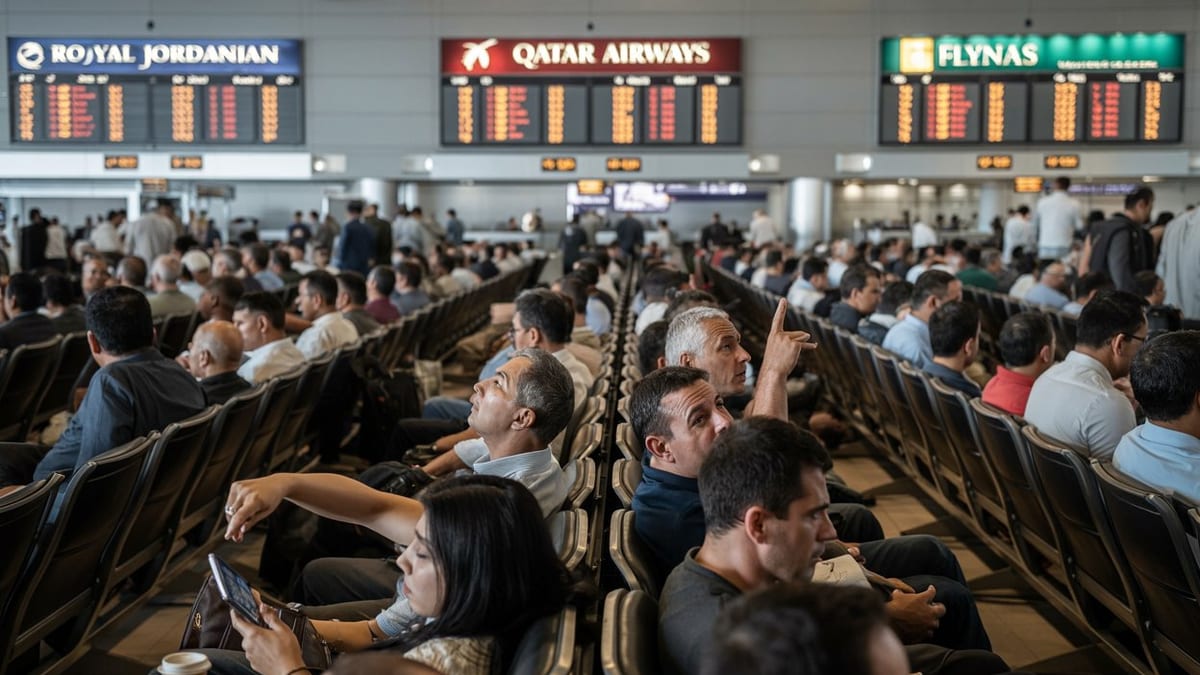
Image by Travel And Tour World
Early-Morning Disruptions Ripple Across Major Carriers
Publicly available flight status boards for Frederick W Smith International showed a wave of early-morning disruptions, with cancellations and delays concentrated around key departure banks typically used by American, Delta, United and Southwest. The six scrubbed flights included a mix of regional and mainline services, reducing options for passengers trying to make business meetings, family events or onward connections.
According to data compiled from airline and airport tracking tools, the 17 delayed departures ranged from modest schedule slips of 30 to 45 minutes to hold times approaching two hours. Even limited cancellations at a midsize hub such as Memphis can quickly strain gate space and customer service counters, particularly when several carriers are affected at once.
The disruptions today also created challenges for travelers relying on tight connections through larger hubs such as Dallas Fort Worth, Atlanta, Chicago and Houston. Missed onward flights can lead to rolling rebookings over the course of the day, amplifying the impact of what appears on paper to be a relatively small number of schedule changes.
While the affected airlines continued operating most of their scheduled departures from Memphis, the combined slate of cancellations and delays tightened seat availability on remaining flights, leaving some passengers facing the prospect of same-day stand-by lists or overnight stays.
Weather, System Strain and Ongoing Operational Pressures
Reports indicate that today’s Memphis disruptions unfolded against a broader backdrop of weather-related and operational strain across parts of the national air network this winter. Recent storms across the central and eastern United States have periodically slowed operations, forcing carriers to thin schedules, preemptively cancel flights or build in additional buffers for de-icing and air traffic control spacing.
Industry analyses released in recent months point to an ongoing pattern in which even moderate weather systems can trigger disproportionate numbers of cancellations and delays when layered on top of tight staffing and crowded route networks. In such conditions, regional airports like Memphis often feel the secondary effects, particularly when larger hubs begin implementing ground delay programs or flow restrictions.
In addition, the lingering effects of earlier winter storms and intermittent air traffic control constraints have left some airlines with aircraft and crews out of optimal position. When a carrier begins the day with limited spare capacity in its system, local irregular operations at an airport such as Frederick W Smith International can become harder to absorb without canceling entire flights.
Publicly available airline guidance for travelers emphasizes the importance of monitoring mobile apps and email notifications on days when broader operational stress is evident across the country. The situation in Memphis today aligned with that advice, as multiple carriers issued rolling schedule adjustments throughout the morning.
Impact on Passengers and the Local Travel Economy
The immediate effect for passengers at Memphis was a familiar mix of longer-than-normal lines at airline service desks, congested customer service phone lines and full waiting areas near affected gates. Families with children, business travelers on tight schedules and visitors returning home all faced the prospect of rebooked connections, unplanned overnight stays or rearranged ground transportation.
For Memphis and the surrounding region, even a short-lived cluster of cancellations and delays can have a measurable economic impact. Missed meetings, delayed cargo carried in passenger aircraft bellies, and interruptions to inbound tourism all accumulate, particularly when operational issues coincide with weekends, school holidays or major events in the city.
Local hospitality providers, including hotels and rideshare operators, can experience sudden spikes in demand when irregular operations force travelers to remain in the area longer than planned. At the same time, businesses expecting visiting clients or employees may confront last-minute schedule changes and remote arrangements.
Transportation and travel industry observers note that persistent or repeated disruptions at regional hubs can also influence passenger behavior over time, prompting some travelers to shift to alternate airports or carriers perceived as more reliable. While today’s issues at Frederick W Smith International are limited in scope, they form part of a wider pattern of sensitivity to operational turbulence within the post-pandemic aviation landscape.
How Travelers Through Memphis Are Adapting
Based on publicly shared traveler experiences from recent disruption events nationwide, many passengers now build more flexibility into their itineraries on days when severe weather or air traffic constraints appear likely. That can mean booking earlier flights in the day, allowing longer layovers at major hubs, or choosing nonstop routes where available from Memphis to minimize connection risk.
Travel planning resources consistently recommend that passengers departing airports such as Frederick W Smith International download airline mobile apps, which often provide the earliest notifications of gate changes, equipment swaps and rolling delays. In prior disruption cycles across the country, travelers who received early alerts were more likely to secure scarce alternative seats or rerouting options.
For those whose flights were disrupted in Memphis today, rebooking choices depended heavily on carrier, destination and fare type. Basic economy tickets, which have proliferated across American, Delta, United and Southwest in different forms, can impose additional constraints on same-day changes. However, many carriers have also adopted more flexible change policies than those common before 2020, offering some passengers additional options when flights are significantly delayed or cancelled.
Observers also highlight the value of maintaining updated contact information in airline profiles and using multiple channels, such as airport kiosks and call centers, when widespread disruptions occur. The Memphis disruptions today, though limited, served as another reminder of how quickly routine travel can be reshaped by a relatively small number of schedule changes at a regional hub.
Looking Ahead to Afternoon and Evening Operations
By late morning, schedule tracking tools suggested that airlines at Frederick W Smith International were working to stabilize operations, with most midday departures still planned to operate, albeit with some residual delays. The extent to which the early disruptions will echo into the afternoon and evening periods will depend on aircraft and crew availability, as well as any new operational constraints that emerge.
When a cluster of morning flights is cancelled or significantly delayed, carriers often attempt to consolidate passengers onto later departures, a strategy that can help restore schedule integrity but also fills seats more quickly and reduces flexibility for new bookings. Travelers planning to depart Memphis later in the day may encounter fuller flights or limited options for same-day changes.
Analysts tracking national air travel patterns suggest that Memphis is unlikely to be the only airport experiencing weather or system-related turbulence at this point in the winter season. However, the experience at Frederick W Smith International today underscores how even modest irregular operations can quickly affect hundreds of travelers, particularly when they touch multiple major U.S. carriers simultaneously.
For passengers, the day’s events offered another illustration of the importance of preparation, contingency planning and real-time information in modern air travel. For the Memphis airport and the airlines serving it, they provided a fresh operational test as the broader aviation system continues to navigate a period marked by volatile weather, evolving demand and constrained resources.