

More news on this day
Thousands of travelers across the United States are scrambling to rebook flights and find overnight accommodations after a wave of cancellations and delays rippled through Dallas Love Field, St. Louis Lambert International, and Cincinnati/Northern Kentucky airports, compounding broader nationwide disruption tied to severe March weather and ongoing strains in the aviation system.
Get the latest news straight to your inbox!
Storm Systems and System Strain Combine for a Brutal Travel Weekend
The latest disruption has unfolded against the backdrop of a volatile March travel period in North America, where powerful winter storms and severe weather outbreaks have already triggered thousands of flight cancellations at major hubs. Recent storm systems have produced blizzard conditions, ice, and strong winds across wide portions of the country, creating challenging conditions for airlines and air traffic control alike.
Publicly available flight-tracking data indicates that regional airports such as Dallas Love Field, St. Louis Lambert International, and Cincinnati/Northern Kentucky are now feeling the secondary shocks of those broader patterns. Aircraft and crews displaced by earlier weather events are struggling to return to normal rotations, leaving thinner schedules highly vulnerable to additional local delays, short-notice ground stops, and staffing shortfalls.
Travel industry analysts note that while large hubs often receive the most attention during nationwide disruptions, medium-size airports can experience some of the most acute impacts. With fewer flights and more limited backup options, the cancellation of even a small cluster of departures at these airports can cascade into a surge of stranded passengers and crowded terminals in a matter of hours.
Dallas Love Field: Spring Break Crowds Meet Fresh Disruption
In Dallas, the situation at Love Field is unfolding at the height of a busy spring break period for North Texas. Recent coverage highlighted that the broader Dallas region expected millions of passengers in March, and the city’s smaller but heavily trafficked Love Field, dominated by short-haul routes, has been operating near capacity on peak days.
Reports and social media posts from the airport describe departure boards filling with delayed and canceled flights, with some travelers unable to deplane as terminal operations were temporarily disrupted in recent days. A combination of weather-related system strain, ongoing regional construction around the airport, and knock-on effects from earlier storms elsewhere has contributed to longer waits at gates and crowded boarding areas.
The concentration of operations by a small number of carriers at Love Field further magnifies the impact. When one airline curtails flights or faces crew and equipment shortages, rebooking options can quickly dry up, leaving passengers with few same-day alternatives. Travelers arriving from connecting points have reported missed onward journeys, extended layovers in Dallas, and last-minute searches for hotel rooms across the city.
St. Louis Lambert Faces Crowded Terminals and Schedule Volatility
Further north, St. Louis Lambert International Airport has confronted its own wave of cancellations and operational challenges just as traveler anxiety rises over potential security and staffing bottlenecks. Online travel discussions in the region reflect heightened concern about early-morning flights and how far in advance passengers should arrive, especially as national coverage focuses on long lines and pressure on federal aviation staff.
Recent weather systems crossing the Midwest have occasionally pushed Lambert’s schedule off balance, with reports indicating clusters of canceled and delayed flights during peak travel windows. While the overall number of cancellations may be lower than at the largest coastal hubs, the impact on individual passengers is significant, particularly for those relying on limited nonstop service.
Passengers describe densely packed concourses, long queues at customer service counters, and confusion over whether disruptions are tied directly to local weather, to downstream effects from other airports, or to broader air traffic management restrictions. For travelers trying to make international connections through larger hubs, a single canceled departure from St. Louis can unravel an entire itinerary.
Cincinnati Travelers Hit by Limited Options as Cancellations Mount
At Cincinnati/Northern Kentucky International Airport, a surge of cancellations has highlighted the vulnerability of regions that have already experienced long-term reductions in air service. Public reports and local business analyses show that Cincinnati’s schedule, while improving in recent years, remains more limited than at its former peak as a major connecting hub.
When airlines reduce frequencies on select routes, each remaining flight carries more weight for local travelers. A spate of cancellations concentrated on a single day can therefore leave entire departure banks empty and strand hundreds of passengers with few or no same-day alternatives. Travelers at Cincinnati have reported abrupt updates from airlines, gate changes, and extended waits to receive revised itineraries.
Some passengers have turned to nearby airports or long-distance ground transportation in response, booking last-minute rental cars or intercity buses in an effort to salvage missed business meetings, family events, or connecting international flights. This secondary shift in demand has placed additional pressure on regional highways and accommodation markets, as stranded travelers fan out across the tri-state area in search of options.
Mounting Passenger Frustration and Calls for Clearer Protections
The concentration of cancellations at multiple regional airports on the same weekend has intensified debate about passenger rights in the United States. Recent policy discussions and consumer advocacy reports point out that, although federal rules require compensation or assistance in cases such as long tarmac delays, there remains no comprehensive nationwide standard for hotel, meal, or cash compensation when itineraries collapse due to cancellations attributed to weather, air traffic control, or operational constraints.
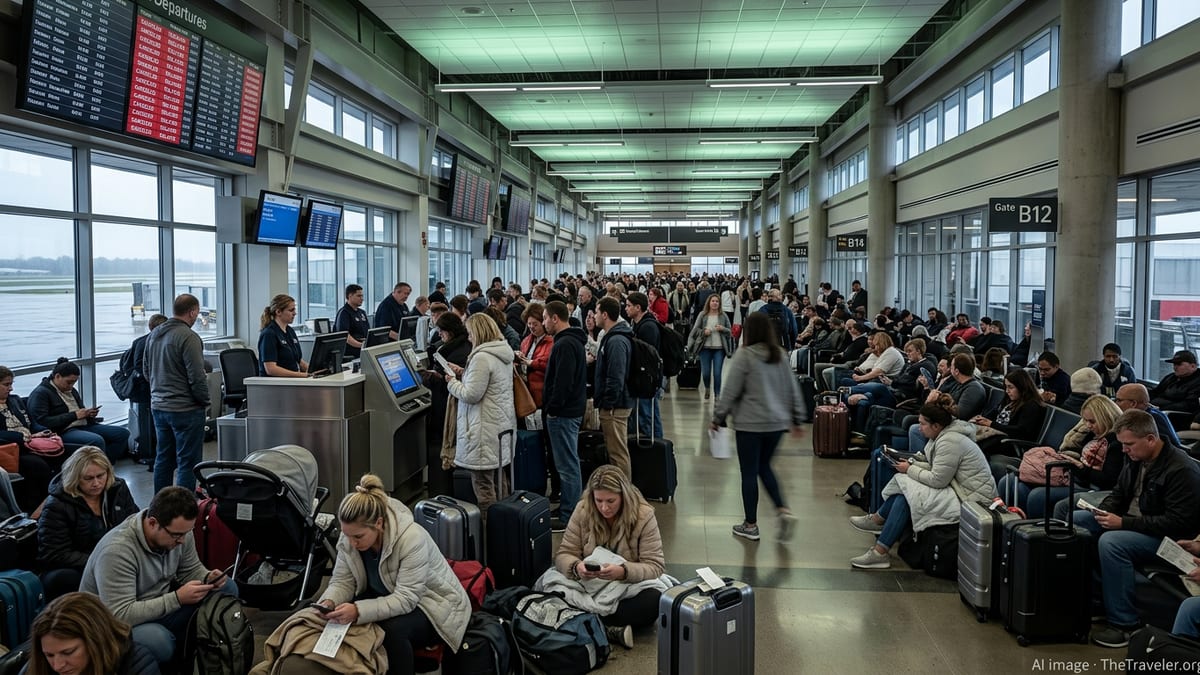
As travelers from Dallas, St. Louis, and Cincinnati share images of crowded terminals, families sleeping in chairs, and long lines for rebooking desks, questions are being raised about how airlines communicate and what support is offered in large-scale disruption events. According to publicly available carrier policies, assistance can vary widely depending on the listed cause of the cancellation and the discretion of individual airlines.
Travel experts and consumer advocates are again advising passengers to build in more buffer time for connections, monitor their flights closely via airline apps, and consider flexible booking options when traveling during active storm seasons. The latest wave of cancellations at Dallas Love Field, St. Louis Lambert, and Cincinnati underscores how quickly localized disruptions can escalate into a nationwide tangle of missed connections, overnight airport stays, and a new round of travel chaos for passengers already weary from a turbulent winter and early spring.