


More news on this day
Passengers moving through major European hubs on May 9 are facing a fresh wave of disruption, with publicly available flight-tracking data indicating at least 25 cancellations and more than 60 delays affecting Aeroflot, British Airways, Finnair and Icelandair services between Moscow, London, Helsinki and other key cities.
Get the latest news straight to your inbox!
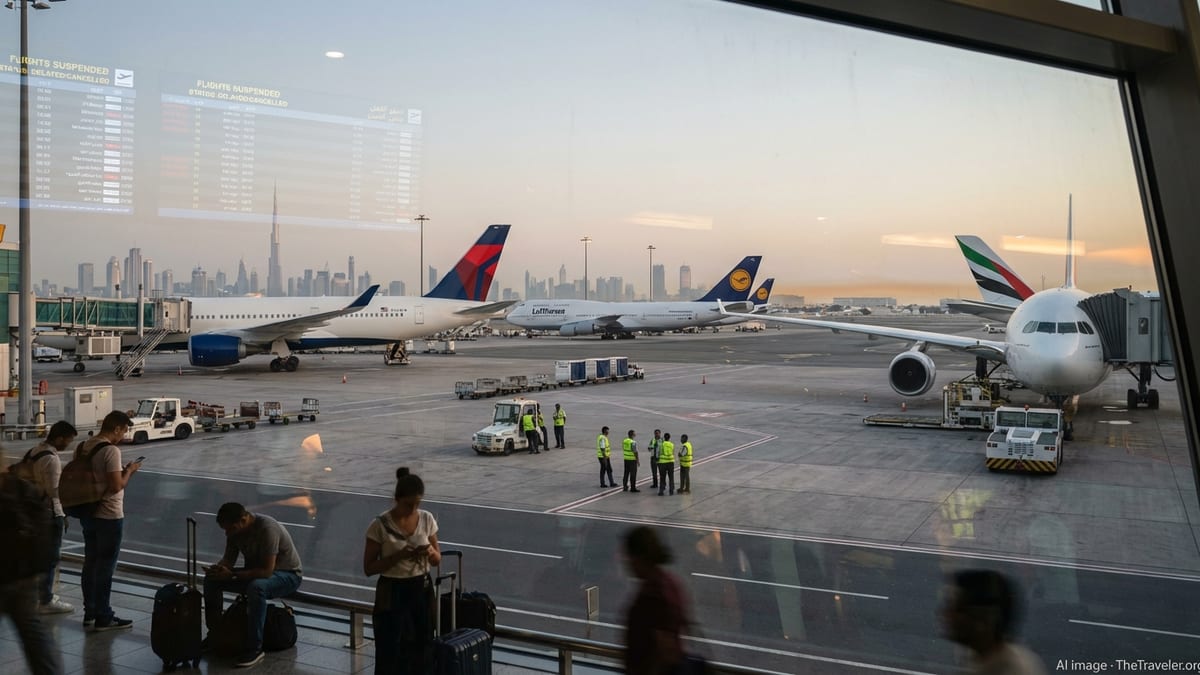
Patchwork Disruptions Across Moscow, London and Helsinki
Data compiled from open flight-tracking services on May 9 shows a concentrated cluster of cancellations and long delays across European and near-European routes served by Aeroflot, British Airways, Finnair and Icelandair. While the overall number of affected services remains modest in the context of the hundreds of daily departures from these hubs, the timing and routing of the disrupted flights have left many passengers stranded mid‑journey or forced into last‑minute rebookings.
In Moscow, where Aeroflot dominates traffic at Sheremetyevo Airport, the latest disruptions come against a backdrop of repeated schedule volatility since early March, when local coverage documented more than 170 delays and dozens of cancellations in a single day across the city’s airports. Those earlier shocks, linked to wider airspace tensions and knock‑on effects from Middle East conflicts, continue to ripple through carrier networks and remain visible in irregular departure times and rolling gate changes for some Aeroflot services.
London’s major airports are also under pressure. Recent analysis of operations at Heathrow and Gatwick in April highlighted more than 1,600 delays and dozens of cancellations in a single day, with British Airways among the airlines forced to swap aircraft and trim services when late‑running flights disrupted crew rotations. Today’s smaller cluster of cancellations slots into that broader pattern of a network operating close to capacity, where minor disturbances quickly cascade into lost connection windows and missed onward flights.
Helsinki, Finnair’s home base, has been repeatedly affected over the past year by industrial actions and the long‑term closure of Russian airspace to many Western carriers. Public travel updates from Finnair in early May already warned of potential disruption to Brussels services tied to a national strike in Belgium, and passenger reports through social media and travel forums indicate that scattered delays and cancellations have also hit flights to and from Helsinki, including connections linking Northern Europe to Asia and the Middle East.
Why These Flights Are Being Cancelled and Delayed
Several overlapping factors are contributing to today’s cancellations and delays, many of which have been building for months. First, reroutings around Russian and Middle Eastern airspace are lengthening flight times and tightening aircraft and crew availability. Carriers that once relied on efficient overflight corridors now run longer schedules that leave less slack for recovery when things go wrong, whether due to weather, technical issues or airport congestion.
Second, separate layers of disruption have emerged from security tensions and conflict in the Middle East. In March, British Airways publicly suspended most flights from London to Dubai, Doha, Abu Dhabi, Amman, Bahrain and Tel Aviv until at least late spring, citing regional instability and airspace closures. Those long‑term schedule cuts are still in force and continue to distort normal connectivity patterns for passengers who would usually flow through London onto Gulf and onward Asian services.
Third, labour disputes and local industrial actions have periodically hit European airports and ground handlers. Finnair has previously cancelled large blocks of flights on specific strike days at Helsinki and has recently warned of potential disruption on routes to Brussels tied to national industrial action in Belgium. Even when strikes are limited in scope or duration, the resulting queue of aircraft waiting for stands, baggage handling or de‑icing can trigger secondary delays across an airline’s network for days afterward.
Weather and technical issues remain a constant fourth factor. Individual cancellations among Aeroflot, Finnair and Icelandair in recent days have been attributed in public reporting and passenger accounts to adverse conditions, aircraft rotations and routine maintenance events. On their own, such events are part of normal airline operations, but layered on top of war‑related rerouting and staffing constraints, they contribute to a more fragile system in which 25 cancellations and 60 delays in one day can leave hundreds of people unexpectedly overnighting far from home.
How Aeroflot, British Airways, Finnair and Icelandair Are Responding
Airlines affected by today’s disruption are relying on a familiar mix of rebooking, schedule thinning and long‑term route adjustments to stabilise operations. Aeroflot, which has been restructuring its international network since 2022, continues to pivot toward markets reachable without overflight restrictions while contending with periodic surges of local congestion at Moscow’s main airports whenever regional airspace conditions change suddenly.
British Airways has taken one of the most visible strategic steps by pre‑emptively suspending entire groups of London–Middle East flights through at least late May in response to Gulf region tensions. Publicly available travel notices and news coverage show that these cancellations are baked into the timetable rather than last‑minute decisions, allowing the carrier to redeploy aircraft on more stable routes and reduce the risk of unexpected day‑of‑departure disruption on those sectors.
Finnair, heavily exposed to both Russian airspace bans and local labour unrest, has leaned on advance warnings and flexible rebooking policies around known strike dates, while quietly trimming or rerouting some long‑haul services to align with its reduced Asia strategy. Travel updates on the airline’s website in early May highlight continuing caution around routes affected by industrial action and ongoing adjustments to schedules as traffic patterns evolve.
Icelandair, which connects secondary European cities such as London and Helsinki through its Reykjavik hub to North America, has seen a mix of on‑time operations and isolated delayed departures in recent days, according to flight‑tracking records. Its relatively small fleet and hub‑and‑spoke model mean that a single delayed aircraft can knock on to multiple later sectors, potentially explaining some of the scattered delays reported today on routes feeding into or out of Iceland.
What Stranded Passengers Can Do Right Now
For travellers already caught in today’s disruption, immediate steps focus on securing a confirmed seat, temporary accommodation and accurate documentation of what has happened. Passenger advocacy organisations and consumer groups consistently advise checking the live status of your flight directly through the airline’s app or airport departure boards rather than relying solely on third‑party booking sites, which may lag behind operational changes.
Under European Union Regulation 261/2004 and the United Kingdom’s equivalent regime, many passengers departing from or arriving into European airports on these carriers may be entitled to assistance such as meals, refreshments and hotel accommodation when delays stretch into overnight stays. In certain circumstances, travellers can also claim financial compensation for cancellations or long delays that are not caused by extraordinary events such as severe weather or sudden airport closures, though each case is assessed individually.
Consumer organisations recommend keeping boarding passes, booking confirmations and any emails or app notifications regarding schedule changes. Travel experts note that detailed records of original and revised departure and arrival times, as well as receipts for hotels, transport and meals, can simplify the compensation process later, especially where airlines ask passengers to submit online claims.
Those with onward connections on separate tickets face additional complications, as rights to rebooking and care may not extend to independently booked legs. In these cases, published advice suggests contacting both the disrupted operating carrier and any subsequent airlines as quickly as possible to explore rerouting options, while also checking travel insurance policies for missed connection coverage. Flexible, same‑day change provisions on some corporate or premium tickets may offer valuable alternatives when standard economy fares prove difficult to rebook.
Preparing for Further Volatility in European Air Travel
Today’s wave of cancellations and delays fits into a broader trend of heightened volatility in European aviation through 2026. Continued uncertainty around Middle Eastern airspace, long‑term bans on Russian overflights for many Western carriers and a tight labour market in aviation services all suggest that periods of disruption are likely to recur, even outside traditional peak seasons.
Travel analysts point out that airlines have already responded by trimming schedules, consolidating frequencies and building in longer ground times at congested airports to absorb minor shocks. That strategy can improve day‑to‑day reliability but also reduces the number of spare seats available for last‑minute rebookings when serious disruption does occur, increasing the risk that passengers will be stranded overnight or forced onto indirect routings.
For travellers planning trips through Moscow, London, Helsinki or Reykjavik in the weeks ahead, publicly available guidance from aviation regulators and consumer groups converges on similar advice. Booking longer connection times, avoiding tight self‑connections on separate tickets and monitoring geopolitical developments that could affect regional airspace can all reduce the impact of sudden cancellations or delays. Where possible, choosing itineraries with multiple daily frequencies on key sectors offers more fallback options if an individual flight is removed from the schedule.
While today’s tally of around 25 cancellations and more than 60 delays is only a snapshot of Europe’s broader aviation challenges, it underlines how quickly localised operational problems and far‑away geopolitical tensions can combine to disrupt travel plans for passengers across several airlines and continents.