


More news on this day
Thousands of travelers across Canada are facing cascading disruption as 59 flight cancellations and at least 215 delays isolate passengers at major hubs in Montreal, Toronto and Calgary, while also cutting critical air links to CFB Goose Bay and remote communities in northern Quebec.
Get the latest news straight to your inbox!
Major Hubs Buckle Under Fresh Wave of Disruptions
Operational data compiled from flight-status trackers and airport boards indicates that a fresh wave of disruption has swept across Canada’s largest hubs, with Montreal-Trudeau, Toronto Pearson and Calgary International recording dozens of cancellations and more than two hundred delays within a single operating window. The pattern follows several weeks of elevated disruption levels, in which Canadian airports have repeatedly appeared among the worst affected in North America for on-time performance.
Air Canada and WestJet, the country’s two largest carriers, appear prominently across cancellation and delay boards, joined by regional affiliates such as Jazz Aviation and PAL Airlines. Publicly available schedules show that affected routes range from dense domestic corridors between Montreal, Toronto and Calgary to thinly served regional links that operate only once or twice per day. As aircraft and crews fall out of position, knock-on impacts are rippling into evening and next-day departures.
Reports from passenger advocacy and tracking services suggest that many travelers are enduring rolling delay estimates rather than outright cancellations, complicating efforts to rebook or arrange overnight accommodation. Long lines at rebooking desks and customer service counters have been described at several terminals, particularly in Toronto and Montreal, where previous days have already seen triple-digit disruption counts.
While weather can play a role at any time of year in Canada, recent disruption patterns highlighted by aviation analysts have increasingly pointed to staffing constraints, tight aircraft utilization and maintenance-related issues as key contributors. When multiple factors converge on the same day, even a modest number of initial schedule changes can quickly grow into a nationwide network challenge.
Remote Communities Cut Off as Northern Routes Stall
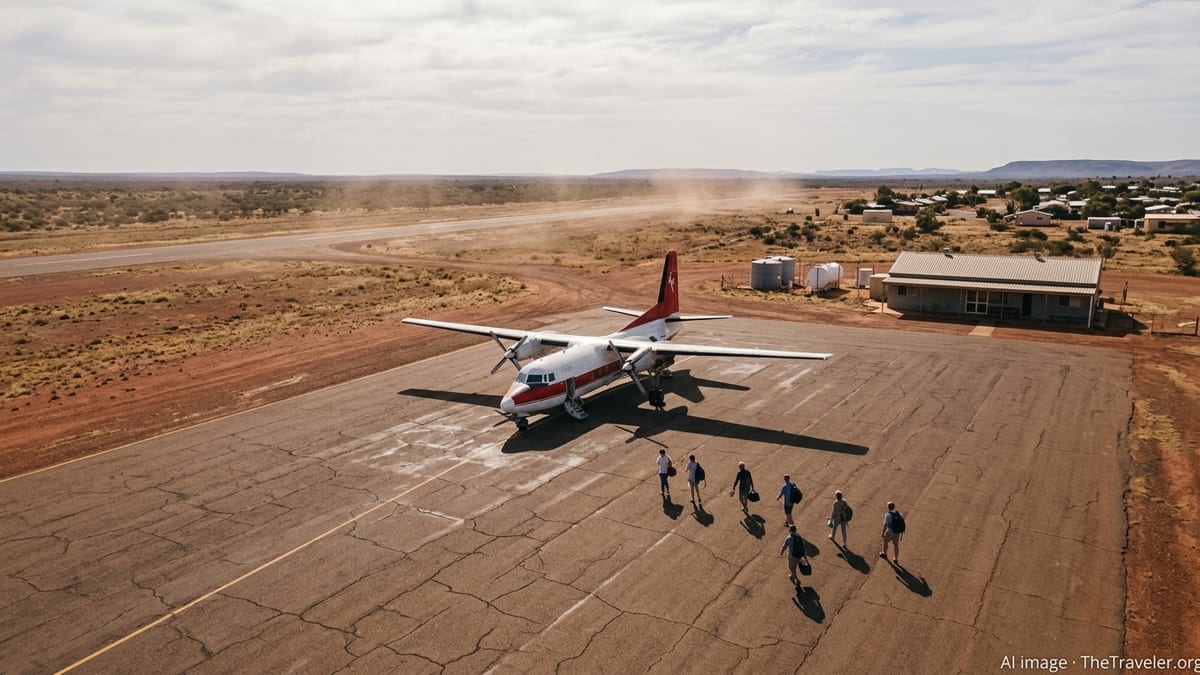
Beyond the major hubs, the latest round of cancellations is having an outsized impact on travelers in remote regions. Flight boards serving CFB Goose Bay in Newfoundland and Labrador and northern Quebec communities show multiple scrubbed departures and extended delays on routes that link small population centers with Montreal and other southern gateways.
Smaller carriers and regional partners such as Air Inuit, Jazz and PAL play a crucial role in connecting isolated communities to medical services, government offices and onward long-haul flights. When disruptions hit these operators, the consequences can go far beyond missed vacations or business meetings. In many cases, the next available flight may not depart until the following day or later, effectively stranding residents and visitors with few alternative options.
Observers of Canada’s northern aviation network note that aircraft and crew availability is especially constrained on these routes, leaving little flexibility when a single rotation is delayed or cancelled. If a morning flight into Montreal or Quebec City is scrubbed, passengers may lose same-day connections onto national or international services, forcing overnight stays and additional expense. Communities depending on inbound travelers, including rotational workers and essential service providers, can also experience knock-on disruption.
In addition, limited road and rail infrastructure in northern Quebec and Labrador means that travelers cannot easily substitute ground transport when flights are disrupted. Travel news outlets and regional media have previously documented instances in which medical appointments, school terms and family events were significantly affected by even a small cluster of cancellations on these lifeline routes.
Operational Strain Across Multiple Airlines
Public schedules and disruption trackers suggest that no single airline is responsible for the current wave of problems. Air Canada and its regional affiliates, including Jazz, feature strongly in the tally of delayed and cancelled flights at Montreal, Toronto and Calgary. WestJet, which relies heavily on Calgary as its principal hub, is also listed with multiple disrupted departures and arrivals, reflecting the strain on its domestic and transborder network.
In eastern and northern markets, PAL Airlines and Air Inuit appear among the carriers with affected services, particularly on links into CFB Goose Bay and remote Quebec destinations. These operators have expanded or adjusted their networks in recent years to cover growing demand and route reshuffles by larger airlines. However, tighter margins of spare capacity mean that when aircraft go out of rotation, it can take longer to restore schedules.
Industry analysis published in recent months has highlighted how Canadian carriers are simultaneously managing strong travel demand, high fuel costs and evolving labor agreements. Some airlines have responded by trimming capacity, altering frequencies or consolidating flights on specific days, which can leave remaining services more vulnerable to disruption. When irregular operations occur, recovery windows can be narrow, especially on routes with limited daily frequencies.
Against this backdrop, travel industry observers note a growing tension between network optimization and resilience. Airlines have a commercial incentive to keep planes full and schedules tight, but this can reduce their ability to absorb unexpected maintenance events, crew timing limits or ground-handling bottlenecks without cascading delays.
Passengers Face Long Waits and Complex Rebooking
For passengers caught in the latest disruption, the practical challenges are immediate and often stressful. Travelers at Montreal, Toronto and Calgary report extended waits at check-in halls and customer service points as they attempt to secure new itineraries, hotel vouchers or meal assistance. Those booked to or from northern points such as Goose Bay and remote Quebec airstrips can face an additional layer of uncertainty, as alternative flights are scarce and may already be near capacity.
Travel rights organizations and legal resources emphasize that protections for Canadian air travelers depend on several factors, including whether a disruption is within the airline’s control, related to safety or caused by weather and air traffic constraints. Recent case studies have shown that passengers sometimes struggle to obtain clear information about the official cause assigned to a delay or cancellation, a detail that can influence eligibility for compensation or reimbursement.
Public guidance from consumer advocates typically encourages passengers to document all communications, retain boarding passes and receipts, and make use of airline apps and digital tools to seek rebooking options before approaching airport counters. In major hubs, some travelers are managing to rebook onto later departures the same day, while others, especially those connecting from regional flights, are facing overnight stays and missed events.
At the same time, the clustering of delays and cancellations across multiple airlines reduces the availability of seats for reaccommodation. With summer travel approaching, analysts warn that similar disruption events could become more frequent or more impactful if demand continues to outpace the system’s buffer capacity.
Broader Questions on Reliability of Canada’s Air Network
The latest figures of 59 cancellations and 215 delays fit into a broader pattern of operational volatility across Canada’s air transport system over the past year. Data published by airports, government agencies and flight-tracking platforms has repeatedly shown significant daily swings in on-time performance, with certain days producing hundreds of disrupted flights nationwide.
These episodes have sparked ongoing debate about the resilience of Canada’s aviation infrastructure and regulatory framework. Some experts point to chronic congestion at large hubs, complex interline arrangements and limited redundancy in regional networks as structural weaknesses. Others emphasize global factors such as supply-chain constraints on aircraft parts, pilot and crew shortages, and sensitivity to extreme weather events that are becoming more frequent or severe.
For now, travelers planning trips through Montreal, Toronto, Calgary, CFB Goose Bay or northern Quebec are being advised by travel planners and news outlets to build additional buffer time into itineraries, consider flexible tickets where possible and monitor flight status closely in the 24 hours before departure. Although most flights continue to operate, the growing number of high-disruption days underscores how quickly Canada’s air network can shift from routine operations to widespread travel chaos.
As airlines work to restore schedules after the latest round of 59 cancellations and 215 delays, thousands of travelers remain scattered across terminals, airport hotels and small northern communities, waiting for seats on the next available flights and watching departure boards for signs that the system is stabilizing.