

More news on this day
Travelers flying with SAS and Virgin Atlantic from Denmark and the United Kingdom are facing a fresh wave of disruption today, with reports indicating at least 14 flights canceled and nine delayed, stranding passengers across key Northern European gateways including Stockholm, Keflavik, Warsaw, Oslo and Dusseldorf.
Get the latest news straight to your inbox!
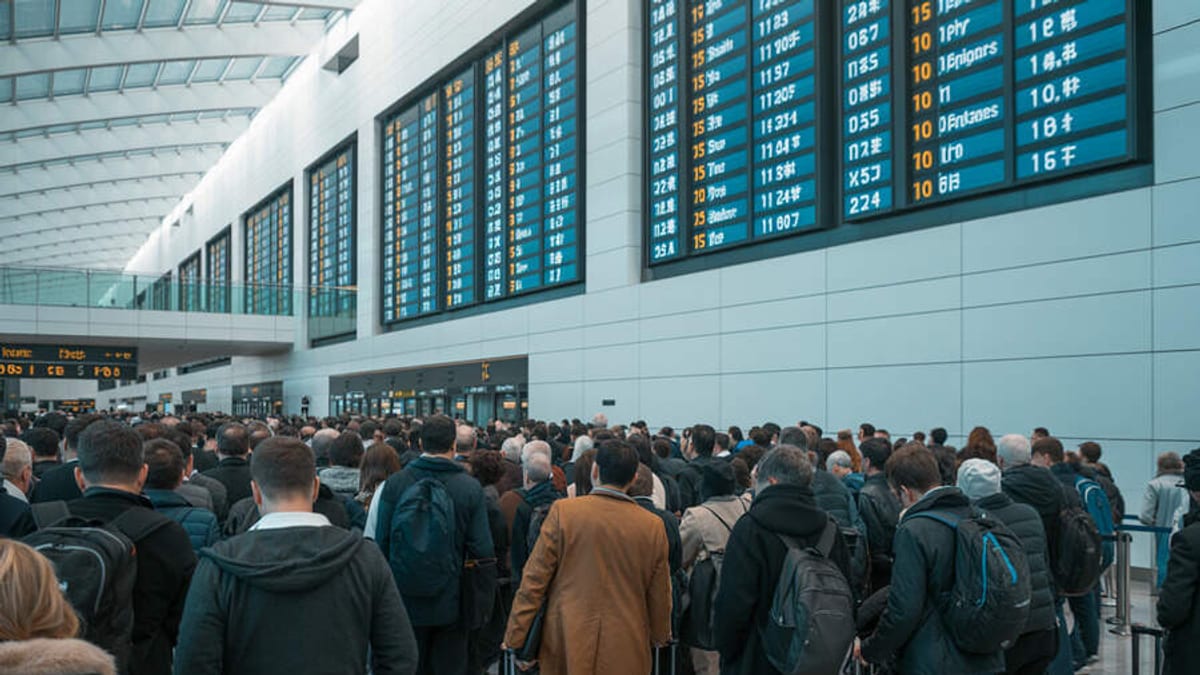
Image by Travel And Tour World
Widespread Cancellations Disrupt Key Northern European Routes
The latest disruption builds on a period of operational turbulence for both SAS and Virgin Atlantic, as schedules across Northern Europe remain under pressure. Publicly available flight-tracking data and passenger reports indicate that services linking Denmark and the UK to major hubs such as Stockholm, Keflavik, Warsaw, Oslo and Dusseldorf have been particularly affected, with a cluster of cancellations and rolling delays throughout the day.
For SAS, the cancellations come at a time when the carrier has been adjusting its European schedule in response to higher operating costs and a volatile fuel market. Recent coverage of the airline’s network changes has highlighted targeted cuts and short-notice adjustments on several short-haul routes, a trend that appears to be contributing to the disruption faced by travelers today.
Virgin Atlantic services from the UK are also experiencing irregular operations, with some departures curtailed or rescheduled. While individual flights vary by route, the combined impact across both airlines has created bottlenecks at connecting airports and left many travelers attempting to replan itineraries at short notice.
Airports in Denmark and the UK are acting as key pressure points in this latest wave of travel disruption. With affected routes concentrated around major transfer hubs, passengers are contending not only with canceled departures but also with missed onward connections and overnight delays as they wait for alternative options.
Passengers Stranded From Stockholm To Keflavik And Beyond
Travelers bound for and departing from Stockholm, Keflavik, Warsaw, Oslo and Dusseldorf appear to be among the hardest hit by today’s schedule upheavals. These cities serve as critical links in SAS’s Scandinavian network, as well as important European waypoints for long-haul itineraries operated or codeshared with other carriers.
In recent months, travelers using SAS services on routes such as Oslo to Dusseldorf and Oslo to Keflavik have reported last-minute changes, cancellations and limited rebooking options, a pattern that appears consistent with the disruption unfolding today. Social media posts and discussion forums reflect frustration among passengers who have found themselves unexpectedly grounded, in some cases facing waits of several days for suitable rebooking on busy routes.
Keflavik, serving Reykjavik, has seen particular attention from travelers who rely on tight connections onward to mainland Europe. Accounts from earlier cancellations on routes between Keflavik and Oslo describe scenarios where passengers received notice only hours before departure and then struggled to secure timely alternatives. Today’s cancellations and delays are rekindling concerns about the resilience of these thinner routes when schedules come under pressure.
In Dusseldorf and Warsaw, travelers are contending with a mix of operational delays and aircraft availability issues that can ripple through the day’s timetable. Even when some departures remain technically scheduled, upstream disruptions can trigger rolling delays, leaving passengers uncertain about actual departure times until close to boarding.
Operational And Cost Pressures Behind The Disruption
The current wave of disruption does not appear to stem from a single, clearly defined incident, but rather from a combination of operational constraints, tight scheduling and wider economic pressures. SAS in particular has been scrutinizing its network amid elevated fuel prices and a need to streamline underperforming routes, resulting in what the airline has previously described in public statements as short-term adjustments to its flying program.
Industry observers note that when airlines operate highly optimized schedules with limited spare capacity, even modest disruptions can quickly cascade. A single aircraft taken out of rotation for technical reasons, or a crew duty-time limitation triggered by earlier delays, can force last-minute cancellations later in the day. As these effects accumulate across several bases, the result can be clusters of canceled and heavily delayed flights on specific days, such as those being seen today.
Virgin Atlantic is also managing ongoing cost and capacity challenges. As a long-haul focused carrier with a strong transatlantic profile, the airline often relies on precise aircraft utilization to balance demand and profitability. Any mismatch between planned and actual operations, especially at peak travel periods, can force the removal or consolidation of certain flights, which passengers then experience as abrupt schedule changes.
For travelers, these underlying factors are largely invisible, but the consequences are tangible: crowded customer-service lines, uncertain departure information and the added costs of accommodation, meals and missed reservations at destination. With multiple airlines in the region juggling similar pressures, spare seats that could absorb disrupted passengers are sometimes scarce.
Rebooking Challenges And Passenger Rights
As cancellations accumulate, many passengers are turning to rebooking options and compensation rules to mitigate their losses. Publicly available guidance for European and UK travelers indicates that flights departing from or arriving in the European Union and the United Kingdom may fall under EU261 or UK261 passenger rights regulations, depending on the routing and the airline’s licensing.
Recent traveler experiences shared on consumer forums suggest that rebooking through SAS can sometimes involve significant delays, particularly when alternative flights are heavily booked. Some passengers have described being offered replacement flights several days later than originally planned, leading to difficult choices between extended stays, rerouting via other carriers at higher cost, or abandoning trips altogether.
Virgin Atlantic customers have similarly raised questions about the distinction between an airline-initiated cancellation and a voluntary cancellation requested by the passenger. Documentation provided by the airline can be crucial when travelers seek to recover costs through travel insurance or pursue statutory compensation, with some passengers emphasizing the need for written confirmation that a cancellation originated with the carrier.
Consumer advocates generally encourage affected travelers to retain all receipts, screenshots and booking confirmations, and to check the applicable legal framework for their specific itinerary. While each case depends on circumstances such as notice period and cause of disruption, many passengers on canceled flights may be entitled to assistance with meals, accommodation and transfers, as well as potential financial compensation where regulations apply.
What Travelers Can Expect In The Coming Days
The pattern of cancellations and delays affecting SAS and Virgin Atlantic today suggests that further adjustments are possible in the short term, particularly on routes already identified as vulnerable to schedule changes. Travelers planning to fly between Denmark, the UK and the affected European hubs in the coming days are likely to encounter ongoing timetable fluctuations as airlines attempt to stabilize operations.
Industry data shows that airlines often respond to clusters of cancellations by rebalancing aircraft and crew across their networks, which can result in short-term consolidation of flights or altered departure times. While such measures may help restore overall reliability, they can also trigger fresh disruption for passengers whose flights are rescheduled at relatively short notice.
Travelers are increasingly turning to real-time flight tracking tools and airline apps to monitor last-minute changes. Many are checking their bookings repeatedly in the 24 to 48 hours before departure, aware that even confirmed flights may be vulnerable to further adjustments while carriers operate under tight capacity constraints.
With the busy spring and early summer travel period approaching, the disruption seen today on SAS and Virgin Atlantic highlights the ongoing fragility in parts of the European aviation system. For passengers caught up in the latest wave of cancellations and delays, flexibility and careful monitoring of itineraries remain crucial as airlines work to bring schedules back on a more predictable footing.