


More news on this day
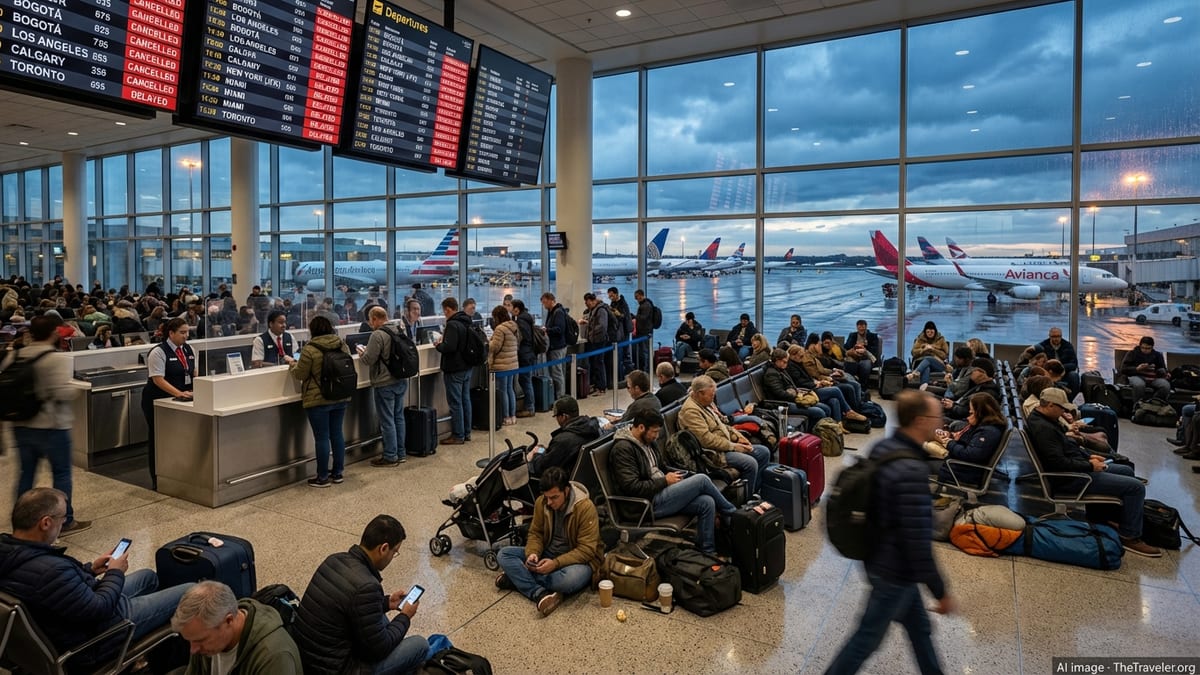
Travelers moving through Miami International Airport are facing another difficult day as widespread operational disruptions translate into 146 delayed flights and at least two cancellations on services operated by Southwest, American, United, Frontier and other carriers across the United States, Germany, Brazil and additional international destinations.
Get the latest news straight to your inbox!
Miami Remains A Persistent Trouble Spot For Summer Operations
Publicly available tracking data indicates that Miami International Airport remains one of the more strained hubs in the current summer travel period, with a high volume of late departures and knock-on delays across domestic and international routes. The latest figures showing 146 delays and two cancellations reflect only a slice of overall disruption, but they underscore how even modest schedule changes can quickly cascade through a tightly timed network.
Miami is a primary gateway for American Airlines and an important station for several other U.S. carriers, including Southwest, United, Frontier and low cost competitors that rely on quick aircraft turns. When operations slow in South Florida, connections to the Caribbean, Latin America and long haul services to Europe and South America can be pushed back, producing a wave of missed connections and extended layovers throughout the day.
Data from airport operations reports and flight status services suggests that the pattern seen this week fits into a broader trend of elevated delays at large U.S. hubs, particularly in weather sensitive regions. Miami’s role as a major transfer point magnifies the impact, as passengers bound for distant markets often have limited same day alternatives once an initial departure slips significantly behind schedule.
Major U.S. Airlines Shoulder The Bulk Of Disruptions
The 146 delays and two cancellations registered in the latest count are spread across several large airlines, with American and Southwest among the most exposed because of their broad domestic networks and heavy schedules in and out of Florida. United and Frontier also appear in delay statistics, while a mix of codeshare services extends the effect to international brands sharing flight numbers on U.S. operated segments.
Operational data and on time performance rankings published in recent months have shown fluctuating reliability among the largest carriers, with Southwest, American and United trading positions in the middle of the industry pack. Frontier and other ultra low cost airlines typically operate with thinner schedule buffers and fewer spare aircraft, which can make it harder to recover from even a single prolonged maintenance issue or crew delay.
Within this environment, a disruption at Miami does not remain a local matter for long. A delayed morning departure can keep an aircraft and its crew running behind for the rest of the day, reaching secondary airports in the Midwest, Northeast or West Coast late and upsetting connections for travelers who never pass through Florida at all.
Ripple Effects Stretch From North America To Europe And South America
According to live tracking boards and global delay statistics, the impact of Miami centered disruptions is being felt well beyond the United States. Services linking the airport to major European markets, including Germany, and to large South American gateways such as those in Brazil, have reported schedule changes, extended ground times and altered connection windows.
In practice, this means that a late departure from Miami can arrive in Europe hours behind schedule, forcing airlines to adjust crew rosters and gate allocations at destination airports already close to capacity. Return flights may then depart late, exporting the disruption back across the Atlantic and compressing overnight turnaround times.
A similar pattern is visible on routes to and from Brazil and other Latin American countries, where Miami functions as a central hub for both business and leisure traffic. When long haul flights depart late or reach Florida behind schedule, onward connections to smaller cities in the United States can become uncertain, leaving passengers facing unplanned hotel stays or lengthy rebookings on later flights.
Weather, Staffing And Tight Schedules Combine To Drive Delays
Industry analyses and airline performance data point to a familiar combination of factors behind the current wave of disruptions: seasonal weather in key hubs, tight scheduling aimed at maximizing aircraft utilization, and continued pressure on staffing in specialized roles such as maintenance and flight crews. In South Florida, even moderate convective weather can force temporary ground stops or flow restrictions that slow departures and arrivals.
When those slowdowns occur at an airport running near its operational limits, the result can be an immediate backlog of flights waiting for gates, available crew or slots in the national airspace system. Carriers that have scheduled short turn times between arrivals and departures are especially vulnerable, as there is less margin to absorb any irregularity before it starts affecting subsequent flights.
Observers also note that the recovery from a single day of disruption can take several days, particularly when aircraft are out of position or when crews reach federally mandated duty time limits and must be replaced. Under those conditions, even a small number of cancellations can lead to continued delays as airlines work to rebuild their schedules and reposition resources to where they are most needed.
Travelers Face Longer Lines And Growing Calls To Monitor Flights Closely
For passengers, the practical result of the ongoing problems at Miami International Airport and across major carrier networks is a more uncertain travel experience marked by longer lines at check in, crowded departure halls and a higher likelihood of missed or tightly timed connections. Checkpoints, boarding gates and baggage claim areas have all seen surges in volume when clusters of delayed flights depart or arrive together.
Travel organizations and consumer advocates are reiterating familiar advice for navigating this period of elevated disruption, emphasizing the importance of monitoring flight status frequently on airline and airport channels, arriving early for departures from major hubs, and considering longer connection times on itineraries routed through weather sensitive airports such as Miami. Travelers bound for international destinations are particularly encouraged to build in additional buffers to protect against missed onward flights.
While the 146 delays and two cancellations recorded in the latest tally represent only part of the global picture on this busy summer day, they highlight how fragile airline schedules remain when confronted with a combination of weather, staffing constraints and high passenger demand. With Miami playing a central role in transcontinental and regional networks, any prolonged operational strain there is likely to continue echoing across the United States, Europe, Brazil and beyond.