


More news on this day
Airlines in Australia, Hong Kong and across Asia are recasting inflight meals as moving ambassadors for their home destinations, using local chefs, ingredients and food culture to lure high-spending visitors and reinforce national tourism brands.
Get the latest news straight to your inbox!
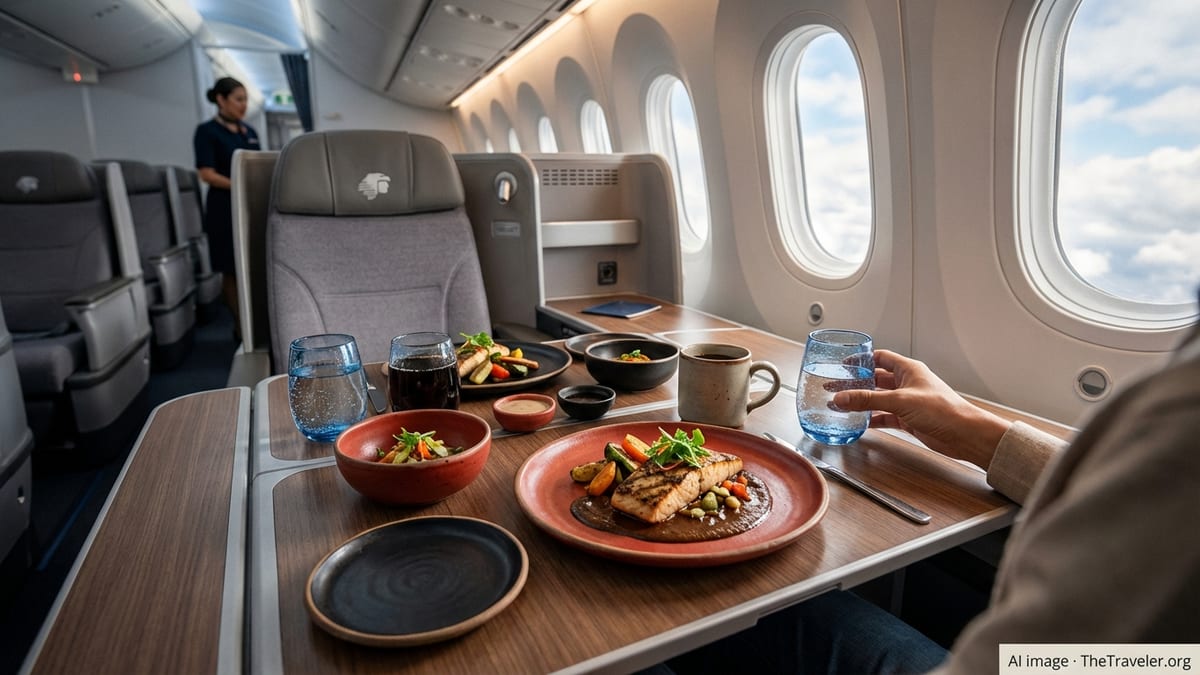
From Cost Center To Culinary Calling Card
Inflight meals were once treated as a necessary cost of doing business, with many carriers quietly trimming portion sizes and choice to protect their bottom line. In the competitive post-pandemic tourism landscape, that logic is shifting. Airlines based in major visitor hubs are increasingly presenting their food and beverage offering as a core part of the destination story, not just a service on the way there.
Industry observers note that this change aligns with broader tourism trends in which food has become a primary trip motivator. National tourism strategies in Asia-Pacific now routinely highlight hawker centers, regional wine trails and homegrown restaurants. Airlines are extending that focus into the cabin, treating each course as a piece of soft power that can shape first impressions and social media narratives about a country.
For tourism boards, this approach offers a direct channel to travellers who are already committed to visiting or transiting through a hub. Partnerships with home carriers allow them to showcase flagship dishes and local producers at 35,000 feet, reinforcing other campaigns that promote dining districts, culinary festivals and agritourism experiences on the ground.
The result is a new form of competition in which national carriers seek to outdo one another not just on seat comfort and entertainment, but on the authenticity and sophistication of their menus. That contest is particularly visible in Australia, Hong Kong and Singapore, where airlines and tourism authorities are tightly linked to national branding.
Australia’s Qantas Puts Local Producers In The Spotlight
In Australia, Qantas has long used food to differentiate its brand, but recent menu changes show a clearer tourism angle. Publicly available information from the airline highlights domestic menus that emphasise “Australia’s finest” ingredients, with new dishes built around regional suppliers, seasonal produce and wines drawn from across the country.
Agency updates on Qantas’ 2025 domestic offerings describe revamped menus on key routes that feature items such as pies from Sydney-based bakeries, artisan toasties from Queensland producers and desserts from small-scale patisseries. Reports also indicate deeper partnerships with First Nations businesses and regional wineries, aligning the inflight experience with broader efforts to promote Indigenous tourism and lesser-known wine regions.
By foregrounding named producers and terroir, Qantas effectively turns trays into tasting flights of Australian agriculture. Passengers sampling a South Australian Riesling or a Queensland-made snack at cruising altitude are being introduced to products they can later seek out on the ground. This approach supports local supply chains while reinforcing national messaging that Australia is a destination for high-quality, diverse food and wine experiences.
The airline’s long-running collaboration with prominent Australian chefs has amplified this strategy, helping to frame its menus as reflective of contemporary Australian cuisine. Over time, a consistent focus on local sourcing and chef-driven design has contributed to Qantas’ positioning as a culinary ambassador, particularly on long-haul routes that bring first-time visitors into the country.
Hong Kong Uses The Cabin To Project “City Of Gastronomy” Status
Hong Kong’s aviation and tourism sectors are applying a similar logic, with a particular emphasis on leveraging the city’s Michelin-recognised restaurant scene. Cathay Pacific has rolled out a series of partnerships with local fine-dining establishments to create signature menus that highlight Cantonese classics and modern interpretations of Hong Kong favourites.
Recent announcements from the carrier describe collaborations with Michelin-starred restaurants to craft dedicated inflight dishes for long-haul and selected regional flights departing the city. One partnership launched in 2025 brings dishes from a renowned Cantonese dining room into Premium Economy and Economy cabins, expanding a strategy that previously focused more on the front of the plane. Earlier initiatives under a “Hong Kong Flavours” banner showcased iconic local plates in cooperation with another Michelin-starred venue, positioning the airline as a curator of the territory’s culinary heritage.
The tourism implications are clear. By serving braised beef brisket with classic sauces, refined dim sum selections or carefully reworked comfort dishes, the airline is offering a preview of the dining experiences visitors might seek out in neighbourhood restaurants and hotel dining rooms. For transit passengers who may not leave the airport, inflight menus become a rare touchpoint with the city’s food culture, reinforcing Hong Kong’s image as a global dining capital.
Linked promotions with hotel dining rooms and co-branded credit card offers have further blurred the lines between airline loyalty, restaurant discovery and destination marketing. Campaign materials from the Hong Kong Tourism Board reference rewards that include special receptions and welcomes on board, illustrating how closely air travel and city branding are now intertwined.
Singapore Airlines And Partners Turn Menus Into National Showcases
Singapore, which has invested heavily in positioning itself as a “City in Nature” and culinary crossroads, is also using inflight dining as a tourism tool. Singapore Airlines, together with Changi Airport Group and the Singapore Tourism Board, has maintained multi-year partnerships aimed at promoting inbound travel and stopovers, and food has become a core element of that offering.
Past collaborations have highlighted Singapore’s hawker culture, with the carrier working alongside well-known hawker brands to bring dishes such as Hainanese chicken rice, bak kut teh and local noodle specialties onto selected flights. According to company statements, these initiatives were designed to raise global awareness of everyday street food that has been recognised as part of Singapore’s cultural heritage.
More recent sustainability and customer-experience reports from the airline point to continued investment in inflight dining, including partnerships with Michelin-starred chefs and exclusive beverage offerings. While these collaborations serve a premium positioning goal, they also contribute to a narrative of Singapore as a hub where traditional hawker fare and high-end gastronomy coexist, mirroring what visitors encounter in its neighbourhoods and integrated resorts.
Parallel campaigns by the Singapore Tourism Board with low-cost carrier Scoot have used food-focused marketing, such as “food marathon” activations and creative content featuring local icons, to draw attention to the city’s dining scene. By aligning airline branding with national messaging about diverse and accessible cuisine, Singapore is using every stage of the journey to reinforce its appeal as a stopover and standalone destination.
A Global Contest For The Palate Of The Long-Haul Traveller
Taken together, the strategies emerging from Australia, Hong Kong, Singapore and other markets suggest that inflight dining is no longer a peripheral amenity. It is being treated as a controllable stage set where countries can present their culinary narratives to a captive, often affluent, audience, many of whom share their experiences instantly on social media.
Carriers in Europe, the Middle East and North America are also stepping up partnerships with regional chefs, wine consortia and tourism boards, indicating that the trend is likely to intensify. Competitive rankings of airline food, growing interest in “fly to dine” trips and the visibility that premium cabins receive in travel media all reward investment in menus that feel destination-specific rather than generic.
At the same time, this evolution raises practical questions about cost, consistency and sustainability. Airlines must balance the desire to feature niche regional ingredients with the need for reliable global supply chains and minimising waste. Tourism bodies and hospitality partners, meanwhile, are under pressure to ensure that inflight promises match the reality of dining on the ground, from airport eateries to neighbourhood food stalls.
For travellers, the immediate impact is a noticeable upgrade in what appears on the tray table and in the glass. For tourism strategists, the larger opportunity lies in using that improved experience as a bridge between curiosity and action, nudging visitors to explore the restaurants, vineyards, markets and hawker centres that inspired the meals they first encountered in the sky.