


More news on this day
Rail travel around central Kyoto faced significant disruption on June 29 after a Kintetsu Kyoto Line local train derailed within the Kyoto Station premises, halting services on part of the route that links the historic city with Nara and surrounding areas.
Get the latest news straight to your inbox!
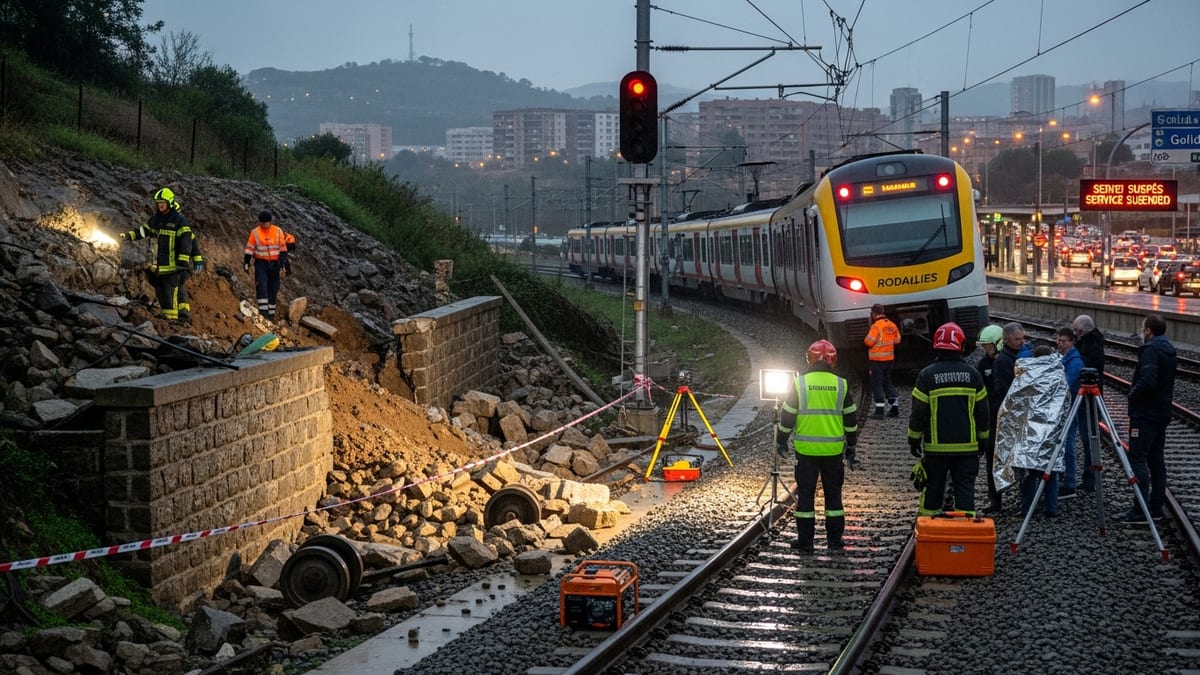
Minor Derailment Inside Kyoto Station Causes Major Ripple Effects
According to multiple Japanese media reports, the incident occurred early on the morning of June 29, when a Kintetsu Kyoto Line local service left the tracks within the Kintetsu section of Kyoto Station. Initial coverage indicates that the derailment took place at low speed as the train was moving through station premises, limiting physical damage to rolling stock and infrastructure.
Reports from domestic broadcasters and online outlets state that there were no injuries among passengers or crew. Carriages, however, came to rest misaligned with the track, prompting an immediate suspension of movements through the affected platforms while inspections and recovery work began. Images circulated in local news coverage show rail workers examining wheelsets and track components inside the busy terminal.
The derailment took place in one of Kyoto’s most complex rail environments. Kyoto Station functions as a shared hub for Japan Railways services, Shinkansen high speed trains, the city subway’s Karasuma Line, and the private Kintetsu network. The Kintetsu Kyoto Line begins here and runs south toward Uji and Nara, making it a key commuter and sightseeing corridor for both residents and visitors.
While the technical scale of the incident appears limited compared with high speed or main line accidents elsewhere in Japan, the location inside Kyoto Station amplified its impact. Morning travelers transferring between JR, subway, and Kintetsu services encountered sudden delays, altered timetables, and crowded concourses as operations were reorganized around the blocked tracks.
Service Suspensions and Through-Running Halts on the Kyoto Network
Publicly available transport bulletins from Kyoto’s municipal transit authorities show that the derailment quickly triggered knock-on disruptions beyond the immediate station area. The Kyoto Municipal Subway announced the suspension of through services with the Kintetsu Kyoto Line, meaning subway trains on the Karasuma Line were no longer running directly onto Kintetsu tracks toward Nara while checks continued.
On the Kintetsu side, news reports indicate that operations were suspended between Kyoto and at least one station to the south while safety inspections were carried out. Partial services continued on unaffected sections of the Kyoto Line, but trains were unable to depart or arrive at Kyoto Station on the usual pattern during the early part of the day. Passengers bound for Kyoto were instructed via station announcements and displays to transfer to JR lines or alternative routes where possible.
The decision to halt through-running between the subway and Kintetsu limited the geographic spread of disruption but also removed a popular one-seat ride between central Kyoto and destinations including Kintetsu Nara. Travelers accustomed to seamless rides across company boundaries instead had to change trains at intermediate stations, increasing journey times and congestion on platforms.
While the precise duration of the complete suspension between Kyoto and neighboring stations varied through the morning, information from official websites and rail information portals suggests that a phased restoration began once track and train inspections confirmed there were no wider structural problems. Normal through services, however, remained suspended until operators completed more extensive safety checks.
Kyoto Station’s Role as a Regional Rail Gateway
The derailment has drawn renewed attention to Kyoto Station’s role as one of western Japan’s primary rail gateways. The station handles Shinkansen services on the Tokaido route, conventional JR lines, the city subway, and private railways such as Kintetsu, with hundreds of thousands of passengers passing through daily during peak tourism seasons.
The Kintetsu Kyoto Line, in particular, is an important link for travelers heading from Kyoto toward Nara and the wider Kansai region. Travel guides and rail information services frequently highlight the line as a convenient non JR option for visitors staying near Kyoto Station, especially those without a nationwide rail pass. The line’s integration with the city subway extends its reach into central Kyoto districts while enabling cross operator services that are normally invisible to passengers.
The morning disruption on June 29 illustrated how even a limited incident on one part of this network can reverberate across the entire transport system. When Kintetsu services are interrupted at Kyoto Station, the impact is felt not only by commuters living along the line but also by domestic tourists traveling between Kyoto and Nara, and by international visitors relying on carefully timed connections.
Urban transport observers note that Kyoto’s network is designed with multiple overlapping routes, which helps absorb shocks from localized incidents. During the disruption, JR trains, buses, and the subway provided alternative paths across the city, though at the cost of increased travel times and crowding.
Advice and Alternatives for Affected Travelers
For travelers currently in Kyoto or planning same day trips toward Nara and southern Kyoto Prefecture, publicly available guidance emphasizes checking real time rail status before setting out. Rail operators and local transit bureaus maintain online service bulletins and station signage that indicate whether Kintetsu Kyoto Line trains are running from Kyoto Station or if diversions and partial suspensions remain in place.
When the Kintetsu Kyoto Line is disrupted near Kyoto Station, one of the most straightforward alternatives for reaching Nara is the JR Nara Line from the adjacent JR platforms. This route is typically included in nationwide rail passes and offers direct services to Nara Station, albeit on a different timetable and fare structure from Kintetsu. For shorter hops within Kyoto, the city subway and bus network provide connections between Kyoto Station and districts such as Karasuma, Shijo, and Gion.
Travel information sites also suggest allowing extra buffer time when making onward Shinkansen or airport connections on days affected by incidents around Kyoto Station. Even after trains resume, residual delays and platform changes can persist while operators reset their timetables and reposition rolling stock.
Passengers staying in Kyoto over several days are often advised to remain flexible with sightseeing plans, shifting Nara or Uji excursions to later dates if line conditions are uncertain. As with many incidents on Japan’s dense rail network, service patterns after the Kintetsu derailment are expected to stabilize quickly, but travelers benefit from monitoring updates and being prepared to switch between operators.
Safety Record and Ongoing Investigation
Japan’s private railways, including Kintetsu, generally maintain a strong safety record, and derailments inside major terminal stations are rare. When they do occur, even at low speed, rail operators customarily conduct detailed technical investigations to determine whether track geometry, points, rolling stock condition, or operational factors contributed to the incident.
Local coverage indicates that inspection teams have been examining the affected train and track equipment at Kyoto Station, with particular attention to the wheelsets and turnout sections where the derailment is thought to have taken place. Findings from these checks are expected to inform any remedial work on the infrastructure and potential adjustments to maintenance schedules.
Transport analysts note that the incident comes at a time of sustained high demand on Kyoto’s rail corridors, driven by strong inbound tourism and regular commuter flows. The focus in the coming days will likely be on restoring full service reliability across the Kintetsu Kyoto Line while reassuring passengers that the cause of the derailment has been thoroughly addressed.
For now, the June 29 derailment remains a reminder of how central Kyoto Station is to travel in western Japan, and how critical resilient operations are for both residents and the many visitors who rely on its dense web of rail connections.