

More news on this day
Passengers at Seattle-Tacoma International Airport faced a new wave of travel disruption as a cluster of cancellations by Alaska Airlines, Delta Air Lines and Icelandair grounded several departures and triggered extensive delays on routes to Anchorage, Kelowna, Dublin, Nashville, Boise and other destinations.
Get the latest news straight to your inbox!
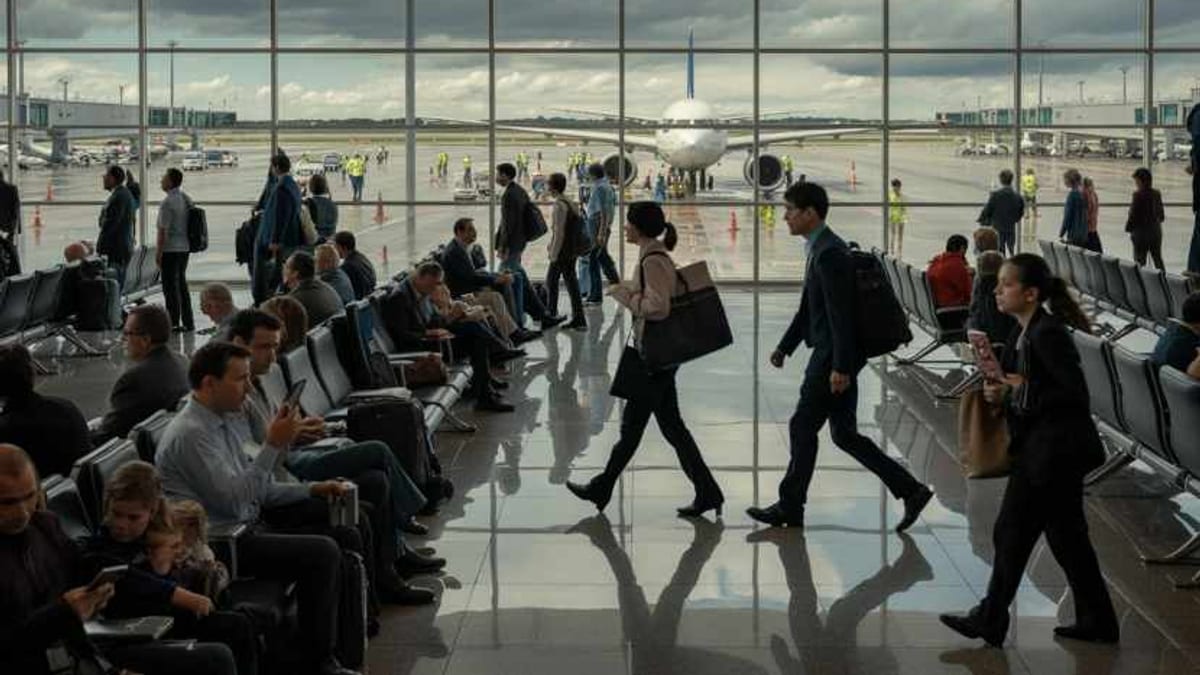
Image by Travel And Tour World
Grounded Departures Hit Key Hub for the Pacific Northwest
Seattle-Tacoma International Airport, a primary hub for both Alaska Airlines and Delta Air Lines and a key gateway for Icelandair, experienced a fresh round of operational disruption as four flights operated by the three carriers were grounded. The cancellations, combined with rolling delays across the schedule, rippled outward to major markets in Alaska, the Pacific Northwest, Western Canada and Europe.
Publicly available flight tracking data and traveler accounts indicate that the affected services included links to Anchorage, Kelowna, Dublin, Nashville and Boise, with additional knock-on effects on connecting routes. The disruption came at a time when Seattle-Tacoma is already managing heavy spring traffic and a dense bank of hub operations concentrated in peak hours.
The airport handles a broad portfolio of domestic and international destinations, and schedules published by the Port of Seattle show nonstop links from Seattle-Tacoma to cities including Anchorage, Boise and Kelowna as well as long haul services to European markets such as Dublin. Against that backdrop, even a small number of targeted cancellations during busy departure waves can create outsized congestion throughout the terminal.
Recent service maps for Seattle-Tacoma list Alaska Airlines and Delta Air Lines as the dominant hub carriers, with Icelandair among the international operators using the airport for transatlantic connections. This role as a transfer point means that grounded departures do not only affect local origin and destination traffic but also passengers attempting to connect between U.S. West Coast, Alaska, Canada and European flights.
Weather, Congestion and Operational Strain Converge
The latest disruption follows a turbulent March for air travel in the Pacific Northwest. A powerful late season winter system in mid March brought snow and rain to western Washington and contributed to widespread delays at Seattle-Tacoma, according to regional weather summaries and transportation reports. Travelers in recent weeks described extended waits on aircraft, hours long queues for customer assistance and cascading rebookings after initial delays turned into cancellations.
While the newly grounded Alaska, Delta and Icelandair flights were not immediately tied to a single cause in publicly available information, the pattern fits with a broader picture of strain on airline and airport operations when weather, crew availability and ground handling capacity all come under pressure. Seattle-Tacoma has grown rapidly in recent years, and industry commentary frequently points to constrained gate space and crowded taxiways that can amplify the impact of even modest disruptions.
Reports from recent days suggest that airlines operating at the airport have been juggling late arriving inbound aircraft, tight aircraft turns and crew duty limits. Once a handful of early flights slips behind schedule, subsequent rotations can be forced into rolling delays, making cancellation of certain services a tool for restoring the remainder of the day’s operation. When those cancellations fall on long haul or high demand routes such as Anchorage and Dublin, the passenger impact can be significant.
Operational data published by aviation authorities and the Port of Seattle over the past year highlight the airport’s vulnerability during snow or icing events, when deicing capacity and runway treatment must keep pace with a high volume of departures. During previous winter weather episodes, airlines reported shortages of deicing fluid and bottlenecks in ground handling that extended delays well beyond the period of active snowfall.
Anchorage, Kelowna and Dublin Among the Hardest Hit
The decision to ground four flights at Seattle-Tacoma immediately affected itineraries on several geographically distant routes. Anchorage, a major market for Alaska Airlines and an essential link between the Pacific Northwest and Alaska, saw another interruption during what is traditionally a busy period for both leisure and essential travel. Public schedules show multiple daily nonstops between Seattle and Anchorage, meaning that the loss of even a single rotation can displace hundreds of passengers.
Kelowna and Boise, both mid sized destinations in the Pacific Northwest and Mountain West network, were also caught up in the disruption. These routes often provide important connectivity for regional travelers who rely on Seattle-Tacoma to reach the broader U.S. and international network. When their flights are grounded or heavily delayed, options for same day rebooking can be limited, particularly if nearby departures are already operating close to capacity.
On the transatlantic side, the impact on Dublin bound traffic reflects the strategic importance of Seattle-Tacoma’s international schedule. Route maps published for the airport list Dublin among the European destinations served from Seattle, with Icelandair and other carriers using the airport to link the Pacific Northwest to hubs in Europe. A grounded departure on such a route can force airlines to re accommodate passengers on later flights or alternative routings through other U.S. or Canadian gateways, extending overall journey times.
Nashville, a growing leisure and business destination from Seattle, also featured among the affected city pairs. The route adds to the carrier portfolio connecting the Pacific Northwest with the U.S. Southeast. A cancellation or prolonged delay on that sector can ripple into onward domestic connections across the eastern United States.
Knock On Effects for Connecting Passengers
For travelers, one of the most immediate consequences of the disruption at Seattle-Tacoma is the erosion of carefully timed connections. Many passengers between Alaska, western Canada and U.S. interior cities rely on Seattle as a connecting hub. When departures to Anchorage, Kelowna, Boise or Nashville are grounded, travelers arriving from other West Coast or Midwest origins may miss onward connections and face overnight stays or complex rerouting.
Passenger accounts posted in recent weeks, including during the March winter system, describe experiences of sitting on aircraft for extended periods before eventual cancellation, as well as long queues at customer service desks for rebooking support. In some cases, travelers noted being rebooked days later on alternative departures once the most popular nonstops filled or when crews and aircraft repositioning limited immediate options.
Disruption on long haul international routes such as Dublin compounds these challenges. International passengers often have tighter visa, accommodation and ground transport arrangements at their destination, making extended delays harder to absorb. When a transatlantic departure does not operate as scheduled, airlines must decide between adding capacity on later dates, shifting travelers to partner flights through other hubs or issuing refunds and travel credits.
Seattle-Tacoma’s status as a hub for both Alaska and Delta means that some affected passengers can be moved between the two carriers’ networks, while Icelandair customers may find alternative routings through other North American gateways. However, these options depend on seat availability and can still translate into missed events, lost business time and additional costs for travelers.
What Travelers Can Expect in the Coming Days
With airlines working to restore normal operations after the latest cancellations, the principal challenge in the near term is clearing the backlog of disrupted itineraries while maintaining regular schedules. Publicly available timetables still show a dense pattern of departures from Seattle-Tacoma to Anchorage, Boise, Kelowna, Dublin, Nashville and other destinations, suggesting that carriers intend to preserve their core route offerings even as they adjust individual flight numbers and times.
Industry observers indicate that, following a day of significant disruption, airlines typically prioritize operating the first wave of morning departures on time in order to stabilize the rest of the schedule. Travelers booked from Seattle-Tacoma over the coming days are likely to encounter occasional residual delays as crews and aircraft are repositioned, but a return to normal operations is generally expected once weather and operational constraints ease.
Aviation analysts also point to longer term measures that could help mitigate similar events in future, including increased deicing capacity, additional gate flexibility and improved real time communication with passengers during irregular operations. As passenger volumes through Seattle-Tacoma continue to grow and new routes are added, tools that allow airlines and the airport to manage peak periods more efficiently are seen as increasingly important.
For now, travelers with near term plans through Seattle-Tacoma are widely advised, based on published guidance from airlines and airports during recent disruptions, to monitor flight status frequently, allow extra time at the terminal and consider flexible booking options where possible. While the grounding of four flights by Alaska Airlines, Delta Air Lines and Icelandair represents a relatively limited share of the overall schedule, the event underscores how quickly conditions at a major hub can change and how broad the impact can be when key departures are interrupted.