

More news on this day
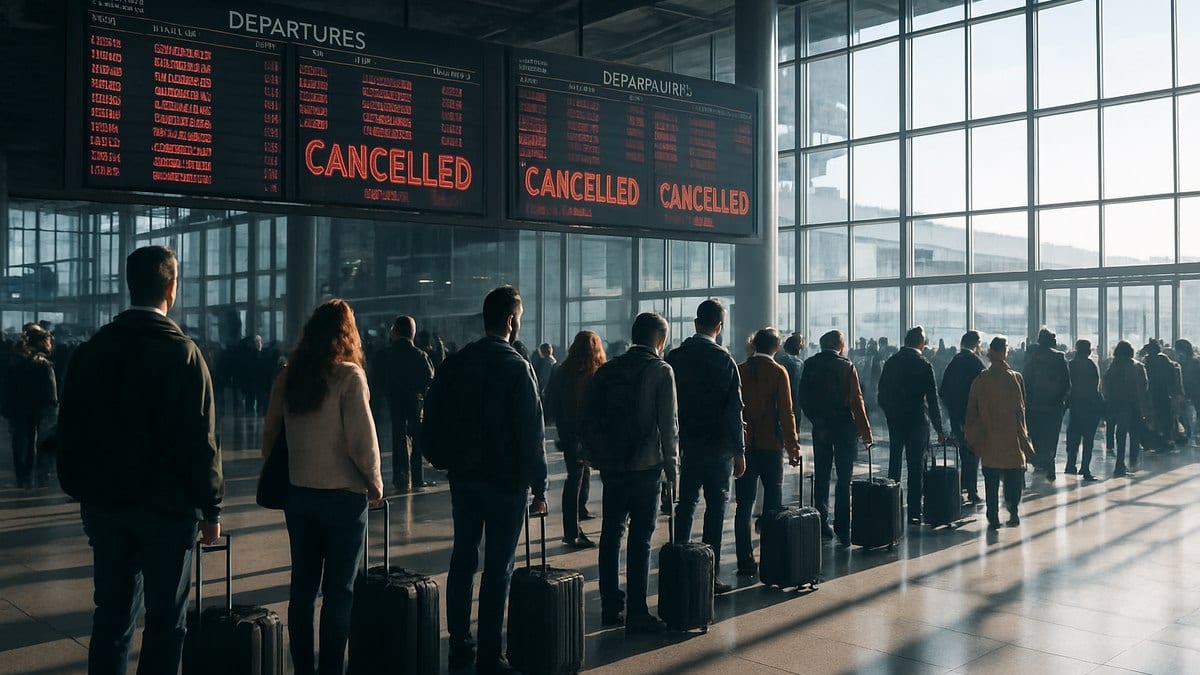
A fresh wave of disruption rippled through the U.S. Sun Belt this weekend as a mix of severe weather and aircraft routing problems left an estimated 477 passengers stranded across major hubs in Texas, Nevada, Arizona and Florida.
Get the latest news straight to your inbox!
Chain reaction across four Sun Belt states
Publicly available flight tracking data and local media coverage indicate that the latest turmoil has centered on some of the region’s busiest airports, including Dallas Fort Worth International in Texas, Phoenix Sky Harbor in Arizona, Harry Reid International in Las Vegas and Orlando International in Florida. While each airport reported its own pattern of delays and cancellations, the combined impact has pushed hundreds of travelers into overnight holds and missed connections.
Operational snapshots taken over the weekend point to a recurring pattern. A cluster of cancellations at one hub quickly constrained available aircraft and crew elsewhere, leading to rolling schedule adjustments across multiple states. In several cases, passengers arriving into hub airports late in the evening were unable to secure onward flights until the following day, swelling the number of stranded travelers in terminal waiting areas and nearby hotels.
The concentration of disruption in the Sun Belt reflects how central these hubs have become to U.S. domestic networks. Their role as connection points between West Coast, Midwest and East Coast markets means even localized issues can have disproportionate consequences for travelers booked on multi-leg itineraries.
Weather and equipment issues test fragile spring schedules
Reports from aviation data services show that the latest wave of disruption followed bands of severe thunderstorms sweeping through parts of Texas and the lower Plains, coupled with high winds and low visibility periods in desert and coastal markets. These conditions forced ground stops and extended spacing between departures and arrivals, compressing already busy spring timetables.
Alongside weather, routing and equipment imbalances have played a major role. When aircraft are held at origin due to storms or air traffic flow programs, schedules at downstream airports can be left without the planes and crews needed to operate planned flights. Over the weekend, that pattern left several Sun Belt hubs short of equipment at peak evening hours, according to publicly available operational summaries.
Airlines have responded by consolidating lightly booked services, retiming overnight repositioning flights and prioritizing routes with the highest volume of connecting passengers. While these measures can gradually restore network stability, they often come at the expense of travelers on thinner routes, who are more likely to face involuntary rebooking and overnight stays.
Hundreds of passengers face overnight delays and missed events
Based on airport throughput figures and typical load factors on the affected routes, travel-industry analysis suggests that around 477 passengers were left without same-day rebooking options across the four states. Many of these travelers were holding tickets that relied on tight connections through Sun Belt hubs, leaving little margin when initial legs ran late.
For some, the disruption meant missed cruises departing from Florida ports, lost nights at pre-paid resorts in Nevada and Arizona, or abandoned business meetings scheduled for Monday morning. Consumer-facing travel forums and social media feeds have highlighted images of passengers camped out on terminal floors and clustered around customer service counters late into the night.
Airport concourse businesses have seen a mixed effect. Food and beverage outlets reported surges in demand during the peak of the delays, while rental car counters in gateway cities such as Dallas and Orlando saw an uptick in last-minute one-way bookings from travelers opting to drive the final leg of their journeys rather than wait for rebooked flights.
Pressure grows on airlines over passenger care
The latest Sun Belt disruption comes amid heightened scrutiny of how airlines handle stranded travelers. Publicly available consumer guidance from the U.S. Department of Transportation outlines refund rights when flights are canceled or significantly changed, but compensation and care policies for delays vary by carrier and often depend on whether the disruption is considered within the airline’s control.
In weather-driven events like those affecting the Sun Belt hubs, many airlines classify the disruptions as outside their control, which can limit obligations for hotel and meal coverage. Nevertheless, published customer service plans for several major U.S. carriers describe case-by-case assistance, including discounted accommodation rates and meal vouchers, particularly when families or elderly passengers are involved.
Travel advocates argue that repeated episodes of large-scale stranding highlight a structural vulnerability in current scheduling practices, where high aircraft utilization leaves little slack when storms or technical issues emerge. Industry commentary in recent months has urged carriers to build more resilience into peak-season timetables, even at the cost of slightly reduced capacity.
What travelers can do as Sun Belt disruptions continue
With spring and early summer bringing a higher risk of convective storms across the southern United States, aviation planners expect episodic turbulence in flight operations to continue. Public forecasts highlight the potential for further thunderstorm activity in key hub regions over the coming weeks, which could trigger additional rounds of rolling delays and cancellations.
Travel experts recommend that passengers connecting through Sun Belt hubs build additional buffer time into itineraries, particularly when traveling to fixed-time events such as cruises, conferences or weddings. Booking earlier departures in the day can also reduce exposure to late-running inbound aircraft, which often compound delays in the evening wave.
Passengers already affected by disruption are encouraged to monitor their flight status through airline apps, enroll in free text alerts and review their carrier’s published customer service plan to understand available options. In some cases, same-day changes to alternate hubs or nearby secondary airports may provide faster routes to final destinations than waiting for the next nonstop flight from a heavily affected Sun Belt gateway.