


More news on this day
Flooded roads and lingering high water across northeast Oklahoma have prompted fresh travel warnings this weekend, as forecasters track additional river flooding and saturated ground following several rounds of heavy June rain.
Get the latest news straight to your inbox!
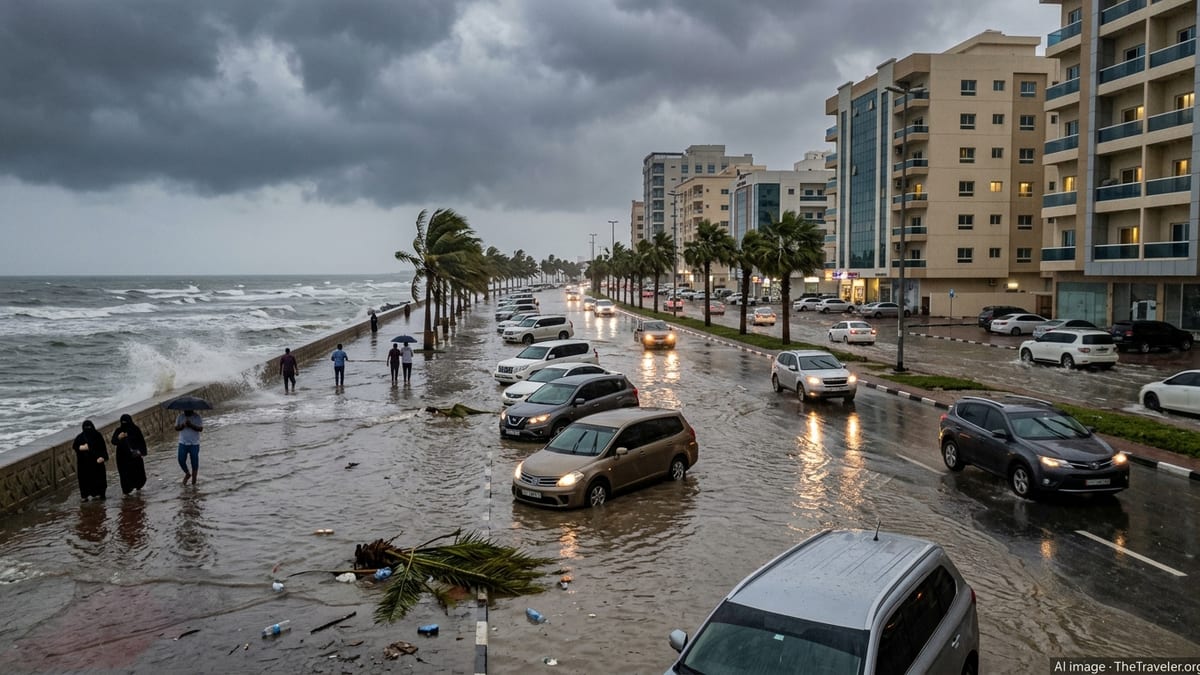
New Flood Warnings Extend Into the Weekend
Publicly available information from National Weather Service alert feeds on Saturday, June 27, indicates that flood warnings remain in effect for portions of northeastern Oklahoma, including areas monitored by the Tulsa weather office. Several alerts note that some roads remain closed or are impassable due to high water, particularly near low-lying creeks and rivers that have overtopped their banks after repeated storms in recent days.
Regional alert aggregators summarizing the latest warnings describe ongoing flooding concerns along smaller tributaries and larger rivers, with water levels expected to remain elevated into Sunday. As runoff from earlier storms continues to move downstream, forecasters caution that even locations that are no longer experiencing heavy rainfall can still see hazardous water over roadways where drainage is slow or infrastructure is overwhelmed.
The latest advisories follow a sequence of severe weather events across the state this month, including multiple flash flood warnings on June 22 and June 25 and a new river flood warning issued the morning of June 27. Together, these alerts point to a prolonged wet pattern that has kept soils saturated and left transportation routes vulnerable to renewed flooding with each additional round of storms.
Road Closures Disrupt Local and Regional Travel
Travelers across northeast Oklahoma are encountering closures and detours on both rural and secondary roads, based on state and local road condition updates. Recent flood bulletins highlight stretches of roadway north of Tulsa and in nearby counties where water has washed over pavement or damaged shoulders, making passage unsafe. Some rural corridors between smaller communities, including farm-to-market routes and county section roads, have been listed as impassable after water covered low-water crossings.
Information compiled from flood warning texts and transportation updates notes that certain trouble spots have flooded repeatedly this month, particularly near creeks and minor rivers that respond quickly to heavy downpours. In some cases, segments that reopened earlier in the week have had to be closed again after additional rainfall, complicating logistics for residents, delivery services, and through travelers.
Motorists planning regional trips through northeastern Oklahoma are being advised via public notices and travel forecasts to build in extra time and to be prepared for unanticipated detours. While most major interstates and primary highways remain open, localized closures on feeder roads, business routes, and rural connectors can still significantly lengthen drive times, especially in areas with limited alternate routes.
Stormy June Leaves Rivers Elevated and Ground Saturated
The continuing travel disruptions are the latest consequence of an exceptionally active June storm pattern over eastern and northeastern Oklahoma. National and regional weather summaries show that multiple rounds of thunderstorms have delivered heavy rainfall over the same river basins, with some locations recording several inches of rain over short periods. Flash flood warnings earlier in the month focused on rapidly rising creeks and urban drainage issues, while more recent alerts have shifted toward longer-duration river flooding.
River forecast discussions for the Arkansas, Neosho, and Verdigris basins, along with their tributaries, indicate that water levels have remained at or near flood stage in several gauges, even during brief breaks in the rain. In these conditions, additional thunderstorms do not need to be particularly intense to renew flooding problems on nearby roadways. Runoff has fewer places to go when fields, ditches, and ponds are already full, and this saturation effect is contributing to the persistence of travel hazards.
Statewide emergency summaries released in recent weeks show that Oklahoma has been contending with flooding well beyond just a single storm. A disaster emergency declaration earlier in June for multiple eastern counties followed considerable damage to public infrastructure and private property, underscoring how repeated storm systems have stressed drainage systems and roadway networks across the broader region.
Guidance for Drivers Navigating the Flooded Corridor
Travel safety messages circulated through weather alerts, state transportation advisories, and public preparedness campaigns strongly emphasize avoiding any attempt to drive through flooded roads. Standard flood safety guidance notes that it is difficult to judge water depth or current from behind the wheel and that roadway surfaces may be washed out or undermined beneath seemingly shallow water. Even a small amount of moving water can disable a vehicle or sweep it off the road.
For those traveling across northeast Oklahoma this weekend, transportation and weather updates recommend checking the latest road condition maps and forecast discussions before departure and monitoring for changes along the route. Conditions can shift quickly as new thunderstorms develop, particularly near the Arkansas border and other locations where forecasts still highlight the potential for heavy downpours.
Local tourism operators and hospitality businesses in the region are also adjusting plans around the unsettled pattern. Some outdoor events have been postponed or modified, and visitors are being encouraged through public information channels to remain flexible, pay close attention to local advisories, and prioritize safety when planning scenic drives, camping trips, or lake outings in the affected counties.
Ongoing Monitoring as More Storms Loom
Forecast outlooks for the broader central United States suggest that northeastern Oklahoma will remain on the active side of the storm track into the early part of next week. National severe weather discussions point to a continued risk of thunderstorms from northern Oklahoma into southern Missouri, keeping the possibility of renewed heavy rainfall in play for the region’s already swollen creeks and rivers.
Meteorological briefings from the Tulsa area highlight the likelihood that, even if storms become more scattered, any cell that stalls over saturated ground could quickly trigger additional flooding issues. With river levels slow to recede, there is little margin for error before low-water crossings and nearby roads once again see water over the pavement.
For now, the combination of standing water, damaged roadway surfaces, and the threat of new storms is maintaining a cautious tone around travel in northeast Oklahoma. Drivers are being encouraged through widely shared public safety messages to watch for barricades, never bypass road closure signs, and remain alert to rapidly changing conditions as summer storm season continues across the region.