


More news on this day
Thick fog rolled across Auckland early Wednesday, slowing traffic on key motorways and forcing another wave of flight cancellations and delays at the city’s main airport as winter weather continued to unsettle travel plans.
Get the latest news straight to your inbox!
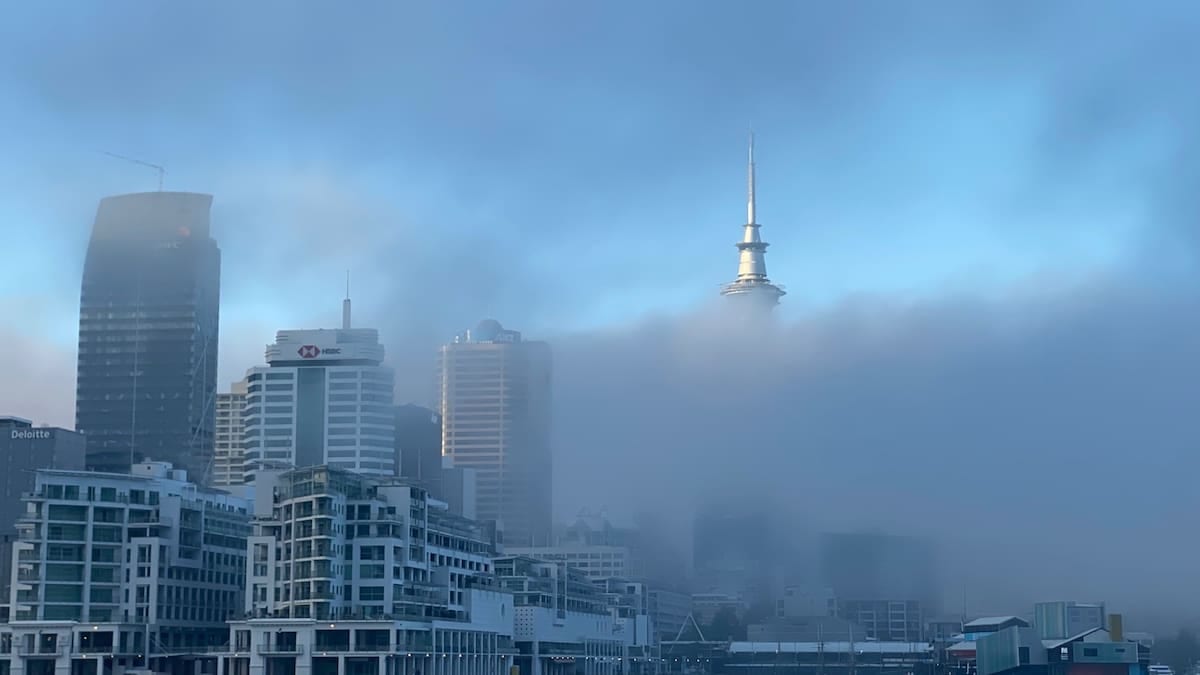
Motorways disappear into low cloud
Commuters woke to visibility cut to a few hundred metres in parts of Auckland, with live traffic cameras showing motorways reduced to blurred ribbons of headlights in the grey. Morning reports indicated patches of dense fog along sections of State Highway 1 and State Highway 16, particularly around low-lying areas where moisture tends to pool.
While most routes remained open, journey planners warned drivers to expect slower trips, with reduced speeds and heavy congestion where fog mixed with the usual weekday peak. Publicly available information from transport agencies showed no major crashes directly attributed to the weather, but advisory messages urged motorists to use headlights, leave extra following distance and take extra care around on-ramps and interchanges.
The murky conditions follow several similar episodes in recent weeks, reinforcing the city’s winter pattern of clear overnight skies, light winds and lingering surface moisture that often combine to produce thick radiation fog around dawn.
Flights cancelled and delayed at Auckland Airport
At Auckland Airport, ground and air operations were again constrained as the fog settled over the airfield during the critical early-morning bank of domestic departures and arrivals. According to published coverage on Wednesday, at least a dozen domestic regional services were delayed and several were cancelled outright as visibility fell below normal operating thresholds for parts of the morning.
By mid-morning, airport flight boards showed a mix of delayed, cancelled and rescheduled services, mainly affecting regional links where smaller aircraft and tighter schedules leave less room for disruption. Travellers reported early check-in queues, rebooking lines and crowded gate areas as airlines worked through another weather-impacted morning.
The disruption mirrors similar events earlier this winter, when foggy mornings in June and late March led to dozens of domestic flights being scrubbed or pushed back, with knock-on delays echoing through afternoon schedules. Aviation performance data released by New Zealand’s transport authorities for recent months already points to weather as a significant factor in punctuality figures, and today’s conditions are likely to add to that trend.
Repeat pattern tests winter resilience
For regular domestic travellers, Wednesday’s fog may feel like a repeat of a now familiar script. Publicly available climate and aviation summaries show that Auckland averages a cluster of fog events during the cooler months, with several mornings each winter triggering partial shutdowns of airport operations and slower motorway commutes.
In recent weeks, social media posts and local forums have been filled with accounts of passengers missing connections, sports teams stranded between centres and families scrambling to rebook regional hops after earlier fog episodes. These anecdotal stories align with official on-time performance releases that show weather, including fog, among the most frequent causes of delay and cancellation across domestic routes.
Transport analysts note that even when the worst of the fog burns off by late morning, the early disruption can ripple throughout the day as aircraft and crew fall out of position. A missed first flight from Auckland can cascade into a sequence of late departures and tighter turnaround times across the country, with travellers sometimes feeling the impact long after the skies have cleared.
Advice for affected travellers and drivers
With fog proving to be a recurring feature of Auckland’s winter, travel specialists recommend that passengers build extra flexibility into their plans over the coming weeks. Publicly available guidance from airlines and consumer groups generally urges travellers to check flight status before leaving home, allow additional time at the airport and keep an eye on airline apps or text alerts for rebooking options if schedules change at short notice.
Those connecting to international flights are often encouraged to allow generous buffers between domestic and long-haul sectors during fog-prone months, particularly when relying on early morning feeder services into Auckland. Travel insurance policies, accommodation near the airport and alternative routing options via other hubs can also provide a margin of safety for critical journeys.
On the roads, transport agencies consistently promote cautious driving in fog: using headlights on low beam, reducing speed, avoiding sudden lane changes and watching for pedestrians and cyclists who may be harder to see. With more foggy mornings likely before spring, officials and safety advocates regularly remind drivers that slowing down by a few minutes can significantly reduce the risk of weather-related collisions.
Ongoing winter impacts on New Zealand travel
Today’s conditions in Auckland form part of a broader winter pattern affecting travel across New Zealand and parts of Australia, where early-morning fog has also caused disruptions at other major airports in recent days. While most events are short-lived, the cumulative effect on airline reliability and traveller confidence can be significant, especially on busy school holiday and business travel periods.
Industry observers suggest that as aviation and road networks become busier, recurring weather disruptions highlight the importance of robust contingency planning, spare aircraft and crews, and clear communication with passengers. Technology such as improved forecasting, more precise approach systems and real-time traffic updates is increasingly being used to help airlines, airports and motorists respond more quickly when visibility drops.
For now, travellers heading into or out of Auckland are being reminded that winter mornings can be unpredictable, even when skies appear clear the night before. With fog once again shrouding motorways and runways, flexibility, patience and good information remain the most valuable tools for anyone trying to keep moving through the city’s coldest months.