

More news on this day
Early April disruptions at Fort Lauderdale-Hollywood International Airport are underscoring how a mix of spring storms, peak travel demand and tight airline schedules can quickly cascade into broader network turmoil across the United States.
Get the latest news straight to your inbox!
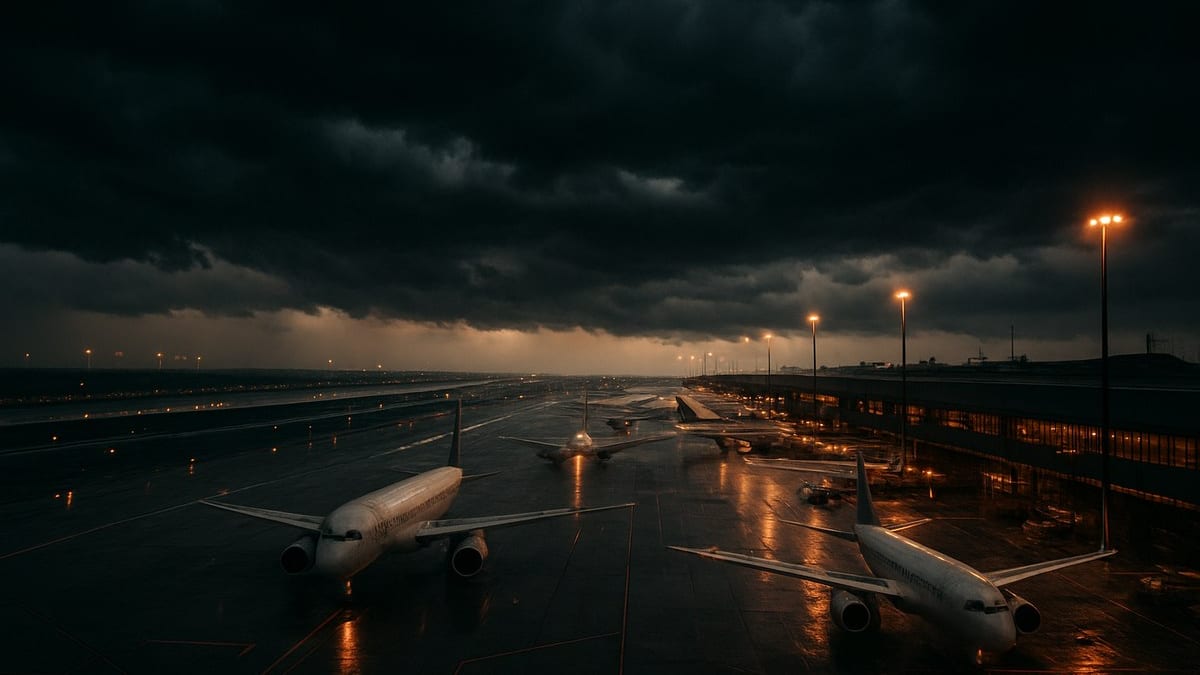
Fort Lauderdale Becomes a Pressure Point in Early April
On April 8, Fort Lauderdale-Hollywood International Airport recorded roughly 285 delayed flights and a small number of cancellations, according to published aviation tracking data and industry coverage. Reports indicate that low-cost carriers with a strong presence in South Florida shouldered much of the impact, with Spirit Airlines, JetBlue, Frontier and Delta among those experiencing significant knock-on delays.
The disruption followed an already bruising Easter period for U.S. aviation, when storms and heavy holiday traffic produced thousands of delays and hundreds of cancellations nationwide in the first week of April. Fort Lauderdale was not always in the direct path of the worst weather, but its role as a key origin and connection point for leisure routes across the Caribbean and domestic sun destinations meant that any schedule wobble elsewhere rippled rapidly through its operations.
Publicly available airport statistics show that Fort Lauderdale has grown into a critical node for low-cost and leisure-focused carriers, with dense schedules during spring break and cruise seasons. That concentration can leave the airport particularly exposed when weather or operational problems disrupt tightly timed rotations of aircraft and crews.
Spring Storms Trigger Cascading Delays Beyond South Florida
Severe spring weather systems across the eastern and central United States in early April triggered widespread disruptions at major hubs from Dallas and Chicago to Atlanta and New York, according to multiple news and aviation data summaries. Those storms forced reroutes, ground stops and extended spacing between departures and arrivals, reducing the overall capacity of the airspace system.
When thunderstorms, strong winds and low visibility affect large swaths of airspace, airlines often delay or cancel flights preemptively to avoid aircraft and crews becoming badly out of position. For airports like Fort Lauderdale that rely on aircraft and staff flowing in from multiple hubs, these upstream decisions can result in long ground holds, rolling delays and last-minute cancellations even when local weather appears relatively benign.
Analysts note that the pattern around Easter 2026 looks familiar. During peak travel weekends in recent years, U.S. carriers have frequently struggled to recover quickly once a large storm system disrupts operations. The Fort Lauderdale disruptions this month are being seen by observers as another example of how limited slack in schedules, aircraft utilization and crew availability can magnify the impact of relatively routine spring weather.
Staffing, Scheduling and Structural Weaknesses in the Network
Beyond meteorological factors, industry reporting points to a combination of staffing constraints and aggressive scheduling as important contributors to this spring’s volatility. Airlines have rebuilt capacity to meet record demand, yet hiring and training pipelines for pilots, flight attendants, mechanics and ground staff have struggled to keep pace in some segments.
Low-cost carriers that concentrate operations at airports like Fort Lauderdale are particularly sensitive to any break in the chain. If one arrival is delayed by storms or congestion at an upstream hub, the same aircraft may miss its next departure window, and crews can rapidly reach duty time limits. Once that happens across multiple flights in a day, recovery often requires cancellations, rolling rebookings and repositioning aircraft overnight.
Earlier in the year, published coverage highlighted that some airlines serving Fort Lauderdale had already seen elevated cancellation rates tied to staffing and sick leave pressures. Those lingering vulnerabilities made it harder to absorb the demand spikes and weather issues of early April, increasing the risk that relatively small disruptions would spill over into multi-day schedule instability.
Passengers Face Longer Queues and Tough Choices
For travelers passing through Fort Lauderdale, the operational stress has translated into longer security lines at peak times, crowded gate areas and tighter odds of securing same-day alternatives when flights are canceled. Data from regional travel reports in early April indicated that security wait times at South Florida airports, including Fort Lauderdale, rose into the 30 to 45 minute range during busy morning periods, with much longer queues reported anecdotally during holiday peaks.
Consumer advocacy groups and travel analysts continue to emphasize familiar but increasingly critical strategies for minimizing risk during the spring disruption season. Recommendations include booking earlier flights in the day when possible, allowing generous connection windows through busy hubs, traveling with carry-on luggage to enable rapid rebooking, and monitoring both weather forecasts and airline notifications closely in the days leading up to departure.
Passengers whose trips are interrupted by storms or network congestion often have limited entitlement to financial compensation under U.S. rules, but airlines typically provide options such as fee-free rebooking, meal vouchers in some cases and hotel assistance during overnight delays. Publicly available advisories this month show multiple carriers issuing flexible travel waivers for routes touching storm-affected regions, including South Florida.
Fort Lauderdale’s Role in a More Volatile Spring Travel Season
Fort Lauderdale’s early April disruptions are drawing attention in part because the airport has become a bellwether for broader leisure and low-cost travel trends. As airlines lean heavily on Florida and Caribbean markets to capture strong demand, the concentration of flights through a handful of coastal gateways increases exposure when any one region is hit by storms or capacity constraints.
Industry analysis suggests that this spring’s pattern is less about a single failure at Fort Lauderdale and more about systemic fragility as demand pushes the U.S. air network close to its operational limits. With more than 170 million passengers expected to fly on U.S. carriers over the broader March and April period, relatively modest increases in delay rates can translate into large numbers of disrupted journeys.
Looking ahead to the rest of the spring break and early summer travel window, observers are watching whether airlines adjust schedules, add staffing or build more buffer into operations at key nodes such as Fort Lauderdale. The events of early April indicate that without additional resilience, similar combinations of storms, staffing tightness and high load factors are likely to produce further episodes of cascading disruption as the busy season continues.