


More news on this day
Germany’s appetite for traveling at home is surging in 2026, with new figures showing a record number of domestic overnight stays in February and signaling a structural shift in how the country’s residents explore their own backyard.
Get the latest news straight to your inbox!
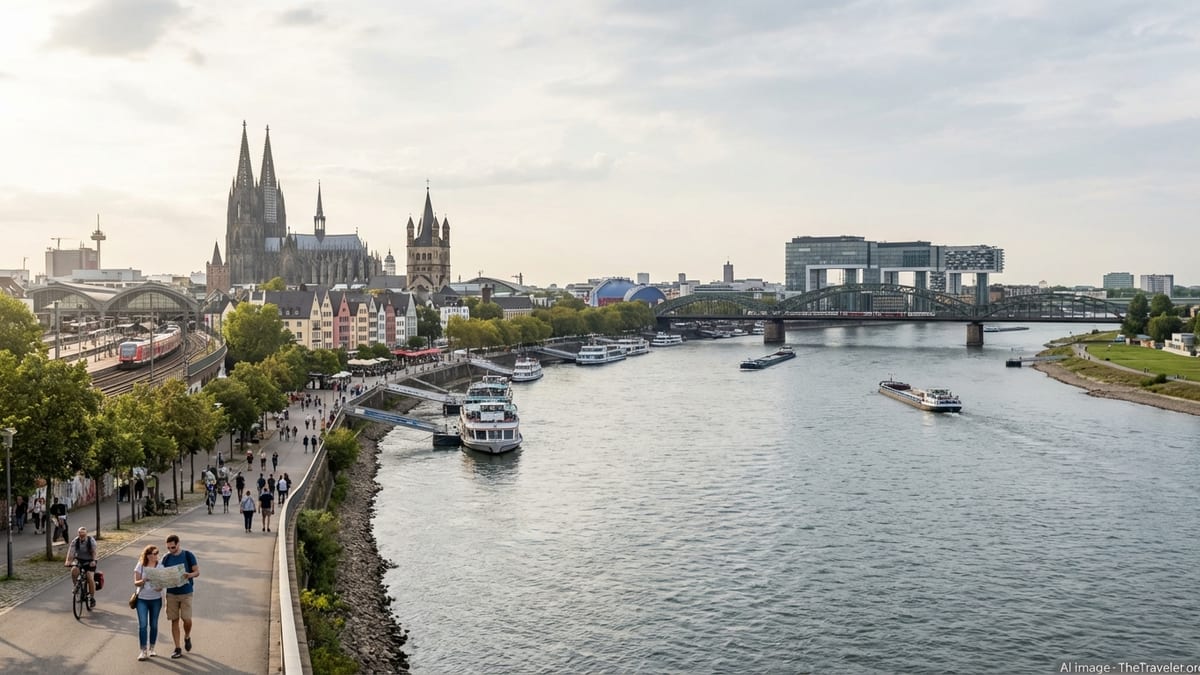
Record February Cements Domestic Travel Momentum
Recent data from the Federal Statistical Office indicates that accommodation providers in Germany hosted a record volume of overnight stays in February 2026, driven primarily by residents choosing to travel within the country. Early releases for the year point to domestic guests accounting for the vast majority of nights spent in German hotels, guesthouses and campsites, extending a trend of strong home-market demand that has been building since the pandemic years.
According to published figures, domestic overnight stays in February climbed several percentage points compared with the same month in 2025, outpacing the growth of international visits. Preliminary tables for 2026 also show that January overnight volumes were already above year-earlier levels, setting up what industry analysts describe as another potentially record-breaking year for the German tourism market.
The latest monthly snapshot builds on a broader recovery in 2025, when Germany’s accommodation sector registered more than 430 million overnight stays from January to October and approached or exceeded previous all-time highs for the full year. While foreign visitor numbers continued to normalize, domestic bookings remained the backbone of demand, providing a buffer against global economic and geopolitical volatility.
Industry commentators note that the timing of school and winter holidays in several federal states, which fell largely in February this year, concentrated travel activity into the month and further amplified the domestic surge. Urban city breaks, mountain regions and spa destinations all benefited from the concentrated wave of winter travelers.
How the Boom Is Reshaping Destinations and Investment
The sustained strength of domestic travel is reshaping investment priorities across Germany’s tourism landscape. Regional statistics from cities such as Nuremberg and states like Berlin and Bavaria show that German residents account for the majority of overnight stays, encouraging local authorities and private operators to expand year-round offerings rather than focus solely on peak international seasons.
In many medium-sized cities and rural regions, domestic visitors have become the decisive factor for hotel profitability. Reports indicate that some destinations registered record or near-record overnight volumes in 2024 and 2025, with domestic guests delivering the bulk of the growth. That trend is now feeding into 2026 planning, from upgraded family-oriented facilities to wellness and nature-focused concepts tailored to repeat German guests.
Infrastructure spending is also being influenced by this pattern. Tourism boards and municipalities are prioritizing hiking and cycling networks, lakefront promenades and spa complexes that appeal to visitors from within Germany who are likely to return multiple times a year. At the same time, demand for rail-accessible getaways is pushing more attention onto stations, last-mile connections and multi-modal links between regional trains, buses and local attractions.
Market observers point out that the emphasis on domestic travelers is helping to smooth seasonal peaks. Longer shoulder seasons in spring and autumn, supported by short-break bookings from nearby metropolitan areas, are making revenue streams slightly less dependent on the classic summer holiday period.
Changing Travel Behavior: Shorter Stays, Higher Spend
Behind the headline numbers, behavior data from the 2025 travel year reveals important shifts that are now flowing into 2026. Research summarized by industry news outlets shows that German residents increased their travel participation to the highest level in nearly two decades in 2025, but tended to book slightly shorter trips while spending more per day. Roughly one in three trips remained within Germany, with regions such as Bavaria and the North and Baltic Sea coasts among the most popular domestic choices.
In 2026, survey-based analysis suggests that many Germans intend to maintain or even exceed their 2025 trip frequency, with an average of around four journeys per person. Domestic travel is a key component of those plans, supported by perceived convenience, price transparency and the ability to adapt quickly to changing conditions without crossing borders.
At the same time, travelers are becoming more selective. Rising fuel prices and broader cost-of-living pressures are encouraging guests to prioritize quality experiences, higher-category accommodation or special-interest stays such as wellness, culture or outdoor sports, even if that means fewer nights on the road. This aligns with broader European trends where tourism growth is increasingly measured not just by volume, but by value creation per visitor.
For German destinations, these shifts translate into demand for well-equipped midscale and upscale properties, curated local experiences and transparent pricing. Rural areas and secondary cities that can package nature, culture and gastronomy into short, high-quality breaks are particularly well positioned to capture this evolving domestic clientele.
Digital Booking, AI Tools and the New Planning Landscape
The domestic travel boom is unfolding in parallel with rapid digitalization of the German travel market. A recent overview of online behavior in 2025 and early 2026 indicates that for more than three quarters of trips taken by Germans, at least one component such as transport, accommodation or activities is now booked online. The share of travelers relying on digital channels continues to grow, even among older age groups.
Analyses of 2026 trends highlight increasing interest in AI-supported planning tools that help compare destinations, assemble itineraries and monitor prices in real time. For domestic trips, this means travelers can quickly scan options across multiple federal states, mix rail and road travel, and slot in cultural events or spa visits around work and school schedules.
The reliance on digital platforms also raises the bar for small and medium-sized tourism businesses. Accommodation providers and attractions that previously depended on traditional phone bookings or walk-in traffic are now investing in real-time availability systems, multilingual content and dynamic pricing tools to remain visible in search results and booking apps.
Data-focused reports suggest that domestic guests are increasingly using online reviews, sustainability labels and regional quality seals as filters when choosing where to stay. This reinforces the need for destinations to manage their digital reputation carefully and to communicate clear value propositions for repeat German visitors.
What the Trend Means for Future Travelers
For travelers planning trips within Germany over the next seasons, the current domestic boom carries both opportunities and constraints. On the positive side, sustained demand encourages more frequent rail services on popular leisure routes, a broader calendar of events outside peak holiday periods and continued investment in accommodation and attractions across lesser-known regions.
However, higher occupancy levels, especially during school breaks and long weekends, mean that spontaneous getaways to classic hotspots may be harder to arrange on short notice. Observers note that popular alpine resorts, Baltic seaside towns and major cultural cities can already see tight capacity on peak February and summer dates, even before international demand fully normalizes.
Travelers looking ahead to late 2026 are therefore more likely to benefit from early booking, flexible dates and openness to alternative destinations within Germany. Secondary cities with strong cultural offerings, emerging wine regions and inland lake districts are all seeing incremental growth in overnight stays as residents broaden their search radius beyond the most famous names.
Overall, the new record for February overnight stays underscores that domestic travel is no longer a temporary substitute for international vacations. Instead, it is becoming a stable, structurally important pillar of Germany’s tourism industry, shaping how destinations invest, how businesses operate and how travelers themselves imagine their next getaway at home.