


More news on this day
Passengers using London Gatwick on Thursday, June 4 are facing pockets of disruption, with live airport data showing a mix of moderate delays and a relatively small number of outright cancellations across the schedule.
Get the latest news straight to your inbox!
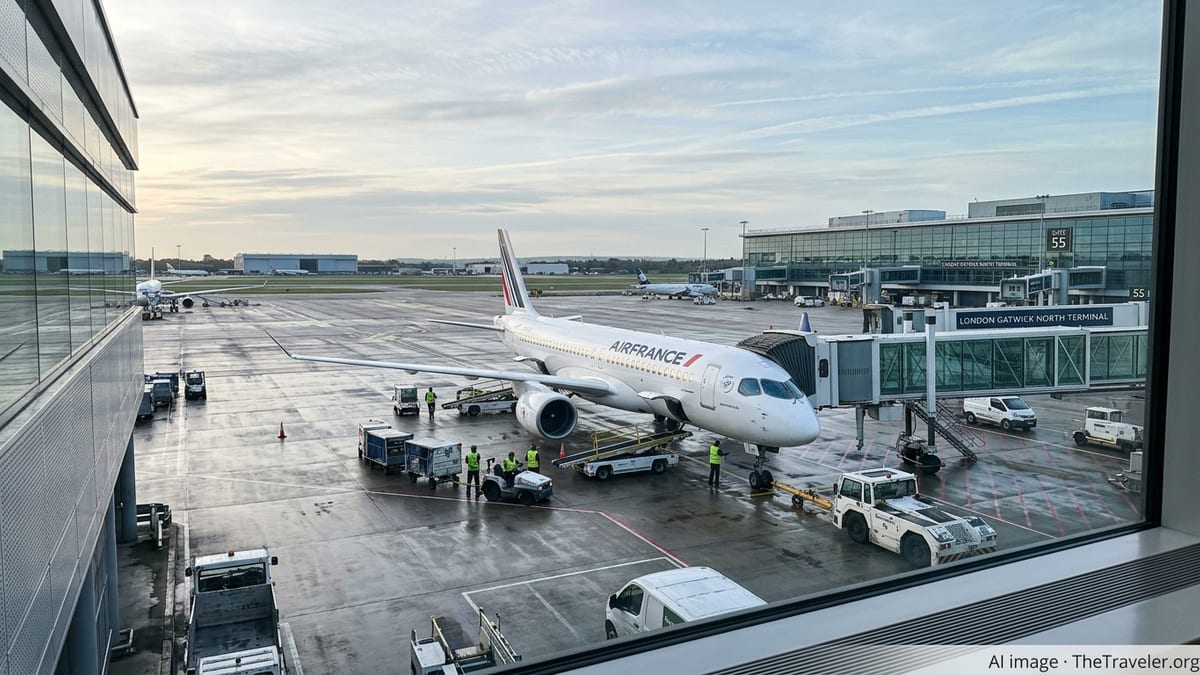
Overall picture of disruption so far today
Publicly available flight tracking information indicates that, by mid-morning on June 4, London Gatwick had recorded a higher-than-usual share of late running services, particularly on short-haul European routes. The majority of flights are still operating, but many are leaving later than scheduled.
Departures in the early morning peak generally pushed back close to plan, with delays lengthening through the late morning and early afternoon. Average waits for affected services appear to range from around 20 to 60 minutes, with a smaller number running significantly later.
Arrivals have followed a similar pattern, with a core of on-time operations supplemented by a noticeable cluster of flights landing behind schedule. The latest performance data published by the airport for recent months has shown overall punctuality in the high seventies as a percentage, and today’s live boards suggest performance is somewhat weaker than those averages.
Long-haul services using Gatwick’s single runway appear to be less affected on average than short-haul operations, with many intercontinental arrivals and departures still recorded as on time or only slightly delayed.
Cancellations remain limited but targeted
While delays are widespread, outright cancellations so far today appear relatively contained. Flight listings show a modest number of services scrubbed from the timetable, concentrated on a handful of European city and leisure routes where airlines have some flexibility to rebook passengers on later flights.
These cancellations are dispersed across several carriers rather than linked to a single operator, indicating a blend of operational and network factors rather than one specific airline issue. Some affected flights are part of rotations where earlier or inbound disruptions have made it difficult to keep aircraft and crews in place for the remainder of the day.
On the arrivals side, a small number of inbound services to Gatwick are also listed as cancelled, which can create follow-on gaps in the departure schedule if those aircraft were due to turn around quickly. Airlines typically manage these situations by consolidating passenger loads, swapping aircraft or using spare capacity later in the day.
Passengers booked on routes that show repeated delays in recent weeks, particularly certain Mediterranean destinations and high-frequency European business cities, appear more exposed to same-day re-timings or consolidations than those on less congested long-haul legs.
Likely causes: weather, congestion and knock-on effects
Reports from aviation trackers and UK media suggest that today’s disruption at Gatwick is linked to a mix of local factors and broader air-traffic conditions rather than a single major incident. Low ceilings, showers and varying visibility across parts of southern England and near-Continent hubs are contributing to a tighter operating environment for air-traffic control.
Gatwick’s status as one of Europe’s busiest single-runway airports means that even modest constraints in runway or airspace capacity can quickly translate into queues for take-off and landing. When holding patterns build up, arrival delays feed into departures, because the same aircraft and crews are scheduled to operate multiple legs throughout the day.
Recent performance reports published by the airport show that punctuality typically deteriorates as the day progresses once disruption takes hold. That pattern appears to be emerging again today, with mid-morning and midday flights bearing the brunt of incremental delays that trace back to earlier issues.
In addition, congestion at other key European hubs is feeding into Gatwick’s operation. Late departures from origin airports can lead to missed slots on arrival into UK airspace, which then forces further re-sequencing and extends turnaround times on the ground.
Impact on passengers and knock-on travel plans
For travellers, today’s disruption is manifesting mainly as extended waits at the gate or in the departure lounge rather than wholesale cancellations. Social media posts and travel forum discussions this week describe passengers at Gatwick budgeting extra time for queues at security and boarding, and several contributors report missing tight onward rail or coach connections due to airline delays.
Those arriving at Gatwick and attempting to connect the same day to other London airports or long-distance rail services appear to be particularly vulnerable to even modest flight delays. Recent discussions among UK travellers highlight how a delay of an hour or more can make it difficult to complete cross-London transfers between Gatwick and Heathrow or Luton within the planned window.
Some travellers are also reporting a heavier reliance on rebooking tools and airline apps to secure alternative same-day options when cancellations occur. Where services are only moderately delayed, carriers are largely keeping passengers on their original flights, while advising that boarding times and gate numbers may change at short notice.
Inside the terminal, today’s conditions are described as busy but manageable for early June. Queues at check-in and security appear to ebb and flow in step with delayed waves of departures, with some passengers moving through quickly and others encountering slower progress when multiple late-running flights converge.
What to expect for the rest of the day
Based on typical patterns at Gatwick, moderate disruption earlier in the day often takes several hours to unwind, especially when aircraft and crew rotations are tightly scheduled. Unless there is a marked improvement in wider air-traffic conditions, travellers booked on late afternoon and evening departures should be prepared for the possibility of continued delays.
Airlines may look to restore punctuality by trimming schedules further if required, for example by consolidating lightly booked services, swapping larger aircraft onto busy routes or adjusting turnaround times where the operating day allows. These measures can help reduce knock-on disruption but may also lead to short-notice timetable changes for some passengers.
Publicly available information suggests that weather forecasts for southern England into the evening are mixed but not extreme, indicating that the main risks lie in congestion and the cumulative effect of earlier slippages rather than severe storms or airfield closures. If conditions stabilise, some improvement in on-time performance is possible later in the day.
Travellers scheduled to fly from or into Gatwick on Thursday, June 4 are being advised by airlines and travel providers, via websites and apps, to monitor their flight status regularly, allow extra time at the airport where practical and keep an eye on ground transport options in case arrival times move significantly.