


More news on this day
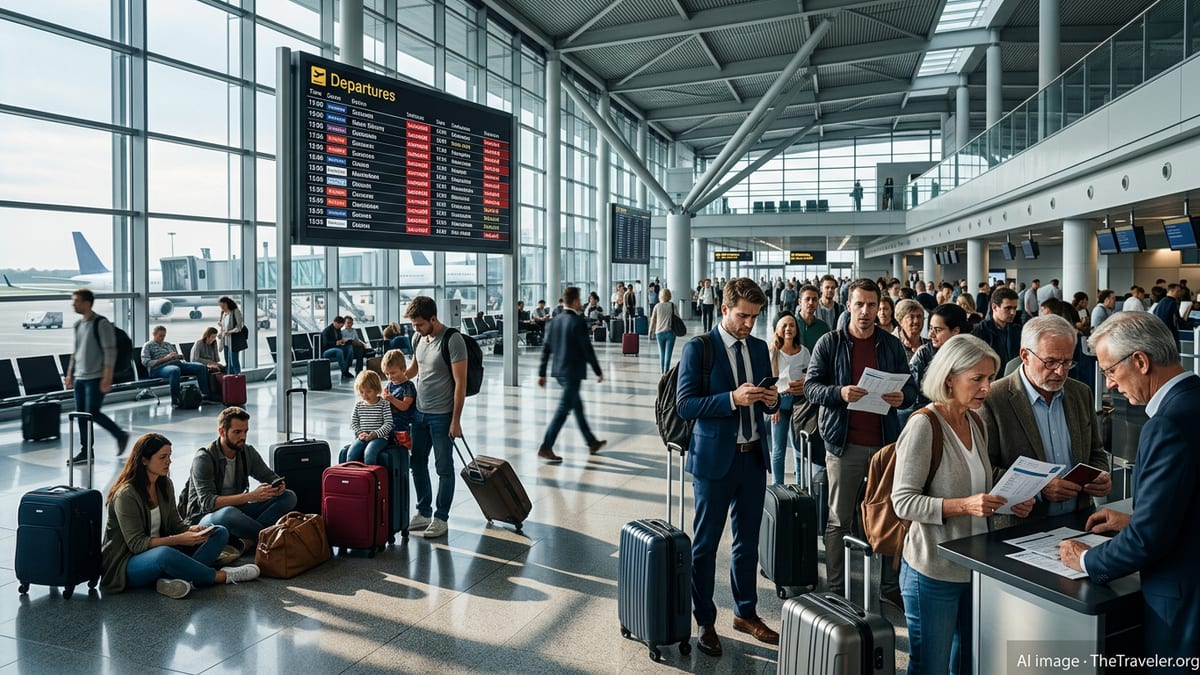
Thousands of airline passengers have been left sleeping on terminal floors, scrambling for rebookings and facing unexpected bills as aviation strikes and industrial disputes flare at major airports on multiple continents, compounding an already fragile global air travel system.
Get the latest news straight to your inbox!
New Strike in Kenya Highlights Growing Labour Unrest
Operations at Nairobi’s Jomo Kenyatta International Airport, one of Africa’s busiest hubs, were severely disrupted after aviation workers escalated industrial action over the weekend of August 30, 2026. Reports indicate that staff represented by the Kenya Aviation Workers Union staged go‑slows and walkouts, affecting flights operated by several carriers and leaving terminal halls packed with stranded travelers.
Coverage from local and international outlets describes hundreds of passengers spending the night on seats and terminal floors at Jomo Kenyatta and at Moi International Airport in Mombasa, as check‑in, security and ground handling services slowed or stopped altogether.
The union has cited stalled collective bargaining talks and concerns about working conditions as key drivers of the dispute. Publicly available information shows that union representatives have accused airport and aviation authorities of failing to finalize long‑negotiated agreements, turning the country’s main gateways into the latest flashpoints in a season of aviation labour disputes.
Airlines using the Nairobi hub have been advising passengers to check flight status closely and expect long delays. Travel analysts note that the disruption comes at a busy period for regional tourism and business travel, raising the risk of ripple effects across intra‑African networks as crews and aircraft struggle to get back on schedule.
Ben Gurion Shutdown Underscores Sensitivity of Single‑Hub Disruptions
In Israel, a sudden strike at Tel Aviv’s Ben Gurion International Airport on August 20 brought departures to a near standstill on one of the country’s busiest travel days. The Israel Airports Authority reported that around 100,000 passengers had been expected to pass through the airport that day, turning the stoppage into an immediate bottleneck for outbound and inbound travel.
Images and footage circulating in news coverage show long lines of travelers and packed departure halls as flights were held on the ground or cancelled outright. Publicly available reports indicate that airport workers were protesting pay and staffing issues, adding industrial tensions to an aviation system already stretched by regional security concerns.
Ben Gurion functions as Israel’s primary international gateway, meaning there are limited alternatives when the hub slows or shuts. Aviation analysts point out that this kind of single‑hub disruption can ripple across airlines’ global networks, affecting passengers far from the original strike as aircraft and crews miss rotations.
The shutdown has also renewed debate about passenger protections. While some carriers rebooked travelers on later flights, coverage from regional outlets suggests that many passengers faced extended waits, with hotel and meal support varying widely by airline and ticket type.
European and Canadian Labour Disputes Add to a Difficult Summer
The latest stoppages are unfolding against a backdrop of months of industrial tension in Europe and North America. Earlier this year, cabin crew strikes and industrial action by ground handlers in several European countries led to cancelled flights and baggage chaos at major hubs. Industry analyses highlight a pattern of recurring industrial disputes as staff push for higher pay and better rosters in a high‑inflation environment.
In Canada, a recent strike by WestJet flight attendants in early August stranded passengers at airports including Montreal and Winnipeg. Coverage from Canadian outlets details scenes of confused travelers waiting for information, as the airline worked to restart operations after reaching a tentative agreement with the union.
Observers note that while the WestJet walkout was comparatively short, restarting a disrupted airline network can take days. Planes and crews are often out of position, forcing airlines to prioritize certain routes and leave other flights cancelled or heavily delayed even after staff return to work.
Labour experts say these disputes reflect deeper strains in the aviation workforce after years of pandemic volatility and rapid demand recovery. Many workers report heavier workloads and irregular schedules, while airlines face pressure to keep fares competitive and costs under control, setting the stage for repeated bargaining stand‑offs.
Local Actions, Global Consequences for Travellers
Recent events in Kenya, Israel, Europe and Canada illustrate how quickly localized labour actions can cascade through global air travel. Modern airline networks depend on tight aircraft turnarounds and complex crew scheduling; when staff walk off the job in one location, missed connections can propagate across continents.
Industry data and past disruptions show that even a single day of large‑scale industrial action can translate into several days of knock‑on effects as airlines reposition aircraft and crews. Analysts point to previous strikes in European air traffic control and major carriers as examples where hundreds of flights were cancelled and over a million passengers were impacted across multiple days, even after official action ended.
Travel experts recommend that passengers monitor strike ballots and industrial‑action notices in advance, especially during peak seasons. However, many of the latest stoppages, including the sudden walkout at Ben Gurion, have unfolded with limited warning for travelers already en route to the airport.
With more labour contracts across airlines and airport authorities up for renewal, observers suggest that further disruptions are likely in the months ahead. For now, publicly available information from carriers and airport operators continues to emphasize flexible tickets, real‑time alerts and awareness of passenger‑rights regimes as the best defenses for travelers who may again find themselves stranded in terminals at short notice.
https://www.dw.com/en/kenya-passengers-stranded-amid-airport-staff-strike/a-78570644
https://english.news.cn/20260820/8b479a4d033e45f4aa59e22f125bffc8/c.html
https://montreal.citynews.ca/2026/08/03/travellers-stranded-montreal-westjet-strike/