


More news on this day
Greece is consolidating its position as a global center of heritage tourism, with the Acropolis of Athens driving record visitor numbers, fresh conservation efforts and a wave of new culture-led itineraries that reach far beyond the capital.
Get the latest news straight to your inbox!
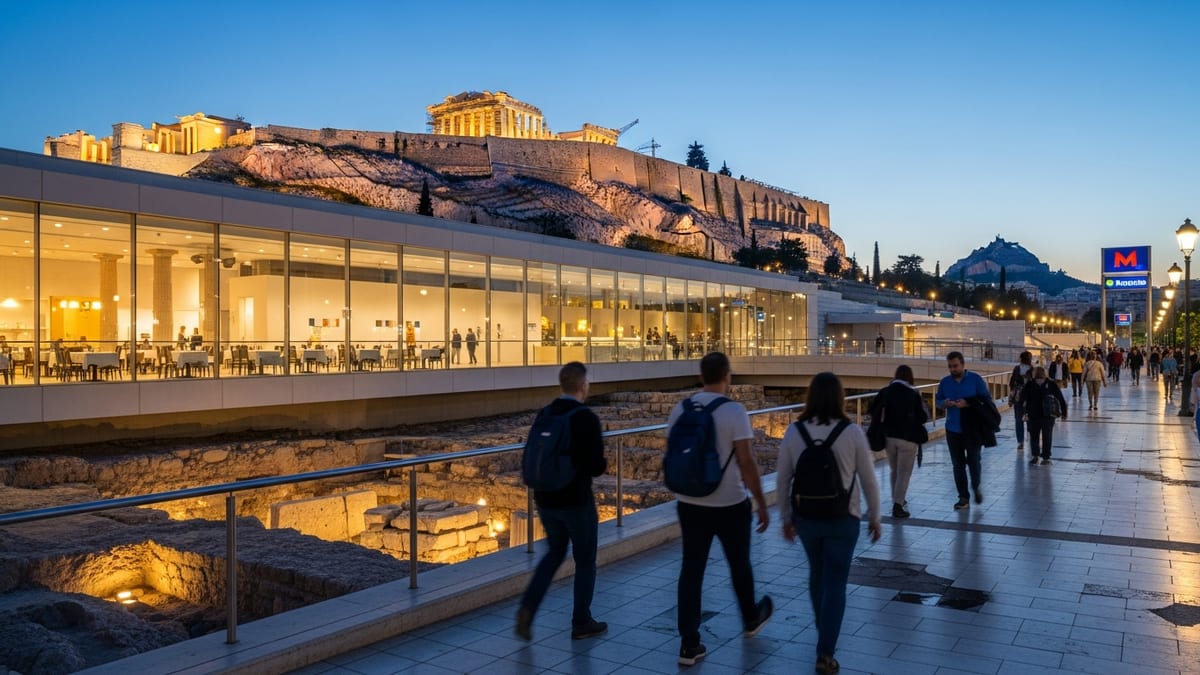
Acropolis of Athens Sets the Pace for Record Cultural Visits
Recent data from the Hellenic Statistical Authority show that Greek museums and archaeological sites attracted more than 20 million visitors in 2024, with the Acropolis of Athens remaining the country’s most visited monument and welcoming over 4.5 million people in a single year. This concentration of interest around a single hill of marble temples, crowned by the Parthenon, has become a barometer for global demand for ancient experiences.
Reports indicate that tourism to Greece as a whole also reached historic highs in 2025, with international arrivals and revenues posting another annual record. Athens, where visitors typically begin or end their trips, has benefited from this momentum as travelers fold Acropolis visits into longer cultural journeys across the mainland and islands.
The Acropolis complex, recognized as a World Heritage site, anchors these itineraries not only through its iconic skyline but also through the nearby Acropolis Museum, which surpassed 2 million visitors in 2024. The museum’s focus on storytelling, digital interpretation and rotating exhibitions has helped position Athens as a modern gateway to the ancient world.
Beyond headline numbers, the enduring appeal of the Acropolis reflects a broader trend in which travelers increasingly seek educational, historically grounded experiences over short-stop sightseeing. Industry analyses describe Greece as a textbook case of heritage assets being leveraged to extend stays, deepen engagement and diversify regional economies.
From Ancient Hilltop to Nationwide Heritage Network
While the Acropolis remains the emblem of Greek antiquity, cultural planners are using its popularity to channel interest toward a wider network of sites. National statistics show steady growth at major archaeological destinations such as Delphi, Ancient Olympia and Knossos, which collectively help disperse visitors through different regions and seasons.
The elevation of the Minoan palatial center at Knossos on Crete as part of a new World Heritage listing in 2025 has further strengthened Greece’s profile as a layered landscape of ancient civilizations. Publicly available information highlights how the recognition of such sites creates new narratives that link Bronze Age palaces, classical sanctuaries and Byzantine monuments under a single heritage brand.
At the same time, initiatives in cities such as Elefsina, designated a European Capital of Culture in 2023, continue to deliver long-term cultural programming. Projects developed there, including efforts to reuse industrial monuments and waterfront spaces, are being promoted as models for how smaller Greek cities can tap into heritage tourism long after a single season of events.
Analysts observing these developments note that Greece is shifting from a collection of famous ruins to a more coherent network of “heritage corridors” that invite travelers to connect sites by theme, era or landscape. The Acropolis increasingly serves as the launch point rather than the endpoint of a culture-focused holiday.
Sustainability and Crowd Management at a Global Icon
The same popularity that cements Greece’s global status has raised concerns about overtourism, particularly at the Acropolis. Coverage from European media and recent technical assessments point to long queues, strain on infrastructure and the need for careful management at peak times, especially during the high summer months.
In response, authorities have introduced timed-entry systems and daily caps on visitors to the Acropolis, as well as extended and premium access slots aimed at spreading demand across the day. Publicly available documentation from international heritage bodies notes improvements to pathways, accessibility provisions and ongoing restoration, underscoring that conservation is being integrated with tourism planning.
Climate and crowd pressures have prompted Greece to engage in several European research projects focused on sustainable heritage tourism and climate adaptation. Programs such as HERIT ADAPT and other Interreg-backed initiatives are testing models that link visitor flow management with local community engagement, aiming to ensure that heritage tourism strengthens, rather than jeopardizes, the sites that attract visitors in the first place.
These changes at the Acropolis are viewed by observers as a testing ground for policies that could later be replicated at other high-profile destinations across the country. The emerging approach seeks a balance between access and preservation, positioning Greece as an active contributor to global debates on how to protect iconic sites amid rising demand.
Digital Storytelling and New Ways to Experience Antiquity
Greece’s push to remain a leading heritage destination increasingly involves digital tools that enhance the experience of visiting ancient sites. Research projects supported within the European Union framework are experimenting with digitization of artifacts, augmented reality overlays and interactive applications designed for use at monuments and in museums.
Initiatives described in recent cultural policy reports highlight how Greek institutions are contributing to European-wide frameworks for responsible digitization of cultural heritage, including guidelines on intellectual property rights and cultural sensitivity. Test cases in the tourism sector focus on how virtual and hybrid experiences can complement on-site visits rather than replace them.
In Athens, the Acropolis Museum has already integrated multimedia storytelling and temporary exhibitions that juxtapose classical masterpieces with contemporary art. Travel industry coverage credits these innovations with helping the museum climb global rankings and appeal to younger audiences who expect more interpretive context when engaging with ancient history.
Across the country, similar digital pilots at archaeological sites and regional museums are designed to lengthen visitor stays and encourage travel in the shoulder seasons. Analysts suggest that this blend of ancient fabric and modern technology is one of the factors differentiating Greece from competing Mediterranean destinations that rely more heavily on sun-and-sea tourism alone.
Heritage Tourism Spreads to Islands, Gastronomy and Living Traditions
As demand for culture-rich experiences grows, Greek regions beyond the major archaeological centers are rebranding themselves around local heritage. On the Cycladic islands, new programs blend storytelling, traditional crafts and oral histories in an effort to safeguard intangible heritage while adding depth to the visitor offer.
Meanwhile, the designation of Crete as a European Region of Gastronomy for 2026 is drawing attention to how food culture, landscapes and archaeological sites can be packaged together as a single heritage experience. Tourism commentators observe that culinary festivals, farm visits and archaeological excursions are increasingly marketed as complementary activities rather than separate niches.
Nonprofit initiatives recognized with European heritage awards for work in rural and insular areas are also contributing to this shift. Their projects, which include workshops on traditional building techniques and community-led conservation of historic structures, are frequently referenced in European cultural reports as examples of how local residents can guide the evolution of tourism in sensitive landscapes.
These developments point to a broader repositioning of Greece as a country where the draw of the Acropolis opens the door to lesser-known stories, from village festivals and monastic routes to underwater archaeological parks. The cumulative effect is to frame Greece not only as the cradle of classical civilization but as a dynamic, living heritage destination that continues to reinvent how its past is experienced.