

Few destinations combine ancient history, sunlit islands and vibrant contemporary culture as seamlessly as Greece. Whether you picture yourself wandering marble-columned ruins in Athens, sailing between whitewashed villages in the Cyclades or hiking pine-scented trails in the mountains of Epirus, thoughtful planning will help you make the most of your time. This guide brings together essential facts, regional highlights and practical tips to help you design a Greece trip that matches your interests, pace and budget.
Essential Facts for Traveling in Greece
Greece sits at the crossroads of Europe, Asia and Africa, and today is a member of both the European Union and the Schengen Area. The official currency is the euro, and credit cards are widely accepted in cities and major islands, though cash remains useful in smaller villages and on less visited islands. Greek is the official language, but staff in hotels, restaurants and tourism services in popular areas usually speak at least basic English. Outside the most touristy districts, a few words of Greek and some patience go a long way.
For many visitors from visa exempt countries such as the United States, Canada, Australia and much of Europe, short stays of up to 90 days in any 180 day period are permitted without a traditional visa, since entry is governed by Schengen rules. As of early 2026, Greece also participates in the European Union’s new border systems. Travelers can expect biometric checks under the Entry Exit System at major airports and ports, where fingerprints and a facial image may be taken instead of manual passport stamping. A separate pre travel authorization program, ETIAS, is planned for late 2026 and may become an additional requirement for visa exempt travelers, so it is wise to verify the latest rules before booking.
Passports should have at least three months validity beyond your planned departure from the Schengen Area, though many governments recommend six months to avoid problems if your itinerary changes. You may be asked to show proof of onward or return travel, evidence of sufficient funds and details of accommodation, especially if you enter at a land border or smaller port. Travel insurance that includes medical coverage and emergency evacuation is strongly recommended, even if it is not formally required for short tourist stays.
Greece uses standard European plug types C and F, and voltage is 230 V. Summers are hot and dry, particularly in the islands and lowland mainland, while winters can be cool and wet, with snow in mountainous regions. Wildfire risk increases during heatwaves, and occasional strikes or demonstrations can disrupt transport in major cities. Keeping your plans flexible and monitoring local news will help you adapt smoothly to any unexpected changes.
Understanding the Regions of Greece
Greece divides naturally into three broad areas for travelers: the mainland, the Peloponnese peninsula and the islands that dot the Aegean and Ionian seas. Each area has its own character, landscapes and rhythms. Many itineraries start and end in Athens on the mainland, but your time is often best spent focusing on just two or three regions instead of trying to see everything at once.
The mainland stretches from the northern border regions down to the Attica peninsula where Athens is located. Northern Greece includes the port city of Thessaloniki, known for its youthful energy and food culture, as well as access to Halkidiki’s beaches and Mount Olympus. Central Greece and Thessaly lead inland to Meteora’s cliff top monasteries and traditional stone villages in the Pindus Mountains. Attica itself combines urban Athens, the port of Piraeus and nearby coastal resorts such as the Athens Riviera and the island of Aegina, which can be visited on a day trip.
South of the Corinth Canal, the Peloponnese feels like a distinct world. It is a large peninsula shaped by rugged mountains, vineyards and olive groves, with major archaeological sites at Mycenae, Epidaurus and ancient Olympia. Coastal towns like Nafplio, Gythio and Pylos offer a more relaxed atmosphere than big city Athens, and there are quieter beaches than on many headline islands. Because it is connected to the mainland by road and rail, the Peloponnese is relatively easy to explore by car.
The islands are the third major component, and for many travelers they are the heart of a Greek holiday. The Aegean is home to iconic island groups such as the Cyclades and Dodecanese, while the Ionian Islands sit off the west coast with lush green landscapes and Venetian influenced architecture. Farther south, Crete forms almost a mini country of its own, with its own dialects, cuisine and landscapes ranging from high mountains to palm fringed beaches.
Greek Islands: Cyclades, Ionian and Beyond
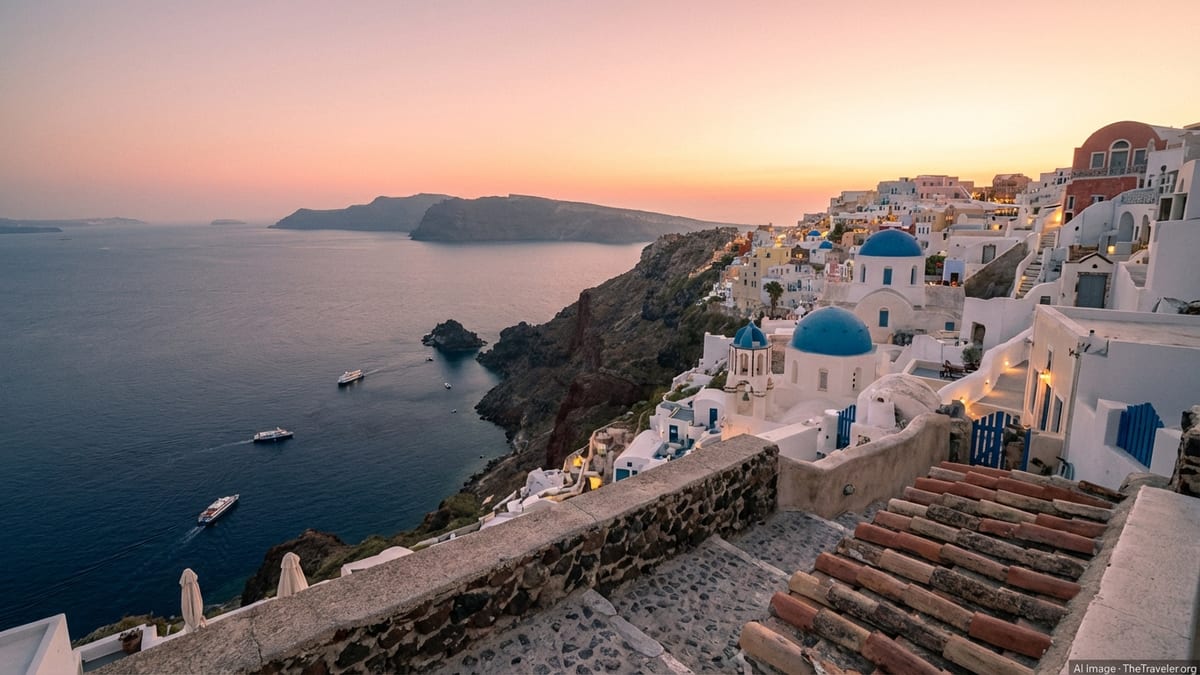
The Cyclades are the postcard image many people hold of Greece. This central Aegean island group includes famous destinations such as Santorini and Mykonos along with larger and more varied islands like Naxos and Paros. Expect whitewashed villages, blue domed churches, stark hills and bright blue seas. Santorini is known for its caldera views, dramatic cliffs and sunsets, while Mykonos has a long standing reputation for nightlife and beach clubs. Naxos, Paros and Tinos offer a more balanced blend of beaches, hiking, villages and local life, and smaller islands in the so called Lesser Cyclades tend to be quieter, with limited traffic and simple tavernas.
To the west, the Ionian Islands present a different face of Greece. Corfu, Kefalonia, Zakynthos, Lefkada and their neighbors are greener, with cypress trees, vineyards and a maritime history shaped by Venetian and later British influence. Towns often feature pastel colored facades, arcaded squares and fortresses rather than the cubic white houses of the Cyclades. Beaches can be spectacular, framed by limestone cliffs and dense vegetation. The Ionian Sea generally sees milder winds in summer than the central Aegean, which can make it appealing for families or travelers prone to seasickness.
Farther south, Crete is Greece’s largest island and functions almost as its own region. It combines significant archaeological sites such as Knossos with lively cities like Heraklion and Chania, rugged gorges including Samaria, and varied beaches that range from long sandy stretches to remote coves reached only on foot or by boat. Because of its size and diversity, Crete rewards longer stays or repeat visits, and many travelers choose to focus an entire week or more here rather than rushing between several island groups.
Other island regions each have distinct atmospheres. The Dodecanese in the southeastern Aegean, including Rhodes and Kos, mix medieval fortifications, Ottoman heritage and resort infrastructure. The Sporades, near the mainland, are lush and pine covered, with laid back islands like Skopelos and Skiathos. The North Aegean islands such as Lesvos and Chios receive fewer foreign visitors and retain a more local feel. When choosing among these regions, think about what balance you prefer between ease of access, nightlife, quiet beaches, traditional villages and hiking or nature.
When to Visit and How Long to Stay
Greece is technically a year round destination, but most visitors arrive between late spring and early autumn. The broad summer season runs from May through October, with July and August typically bringing the hottest weather, busiest beaches and highest prices. On popular islands, accommodation can sell out months in advance at this peak, and ferries and flights run at their fullest schedules. The sea is reliably warm for swimming by June and stays pleasant through much of October, especially in the south.
For many travelers, the most rewarding months are the so called shoulder seasons of late April to early June and September to early November. Temperatures are generally milder, crowds lighter and prices more moderate, yet there is still plenty of sunshine and outdoor dining. On some smaller islands, full tourist services may not be open at the very start or end of the season, and ferry schedules can be thinner, so some advance checking is important if you travel in April, early May or late October. Winter brings a different kind of trip, with more focus on city life, food and culture in Athens and Thessaloniki, plus mountain villages and even skiing on the mainland.
The length of stay you need depends on how many regions you want to visit. A compact one week trip might sensibly combine Athens with a single island or a focused road trip in the Peloponnese. Ten to fourteen days allows time for Athens plus two areas, for example Athens, Naxos and Santorini, or Athens, Nafplio and Monemvasia. Three weeks or more opens the door to more ambitious island hopping or deeper exploration of mainland regions like Epirus or Macedonia. Because internal transfers can easily consume half a day, it is usually better to spend more time in fewer locations instead of trying to tick off as many names as possible.
When planning your dates, keep local holidays and special events in mind. Orthodox Easter is widely celebrated and can affect opening hours and transport schedules, though it also brings unique cultural experiences. August 15, the Dormition of the Virgin, is another major holiday, especially on islands such as Tinos that host pilgrimages. High season weekends and national holidays can increase demand on ferries, flights and hotels, so booking ahead for those periods is wise.
Getting Around: Ferries, Flights and Roads
Most international travelers arrive in Athens at Eleftherios Venizelos International Airport, the country’s main hub, though there are also seasonal direct flights to popular islands and regional airports. From Athens, ferries and domestic flights connect onward to the islands, and buses and trains serve the mainland. When timing is tight, flights are usually the fastest way to move between distant regions or combine an island with mainland touring, but ferries offer a scenic experience and can link multiple islands in one trip.
Greece’s ferry network is extensive, ranging from large conventional ships with cabins to smaller high speed catamarans. In peak summer, there are frequent sailings between Athens ports such as Piraeus, Rafina and Lavrio and the Cyclades, Crete and other island groups. Outside the core months, schedules thin out, especially to smaller or more remote islands, and services may be canceled in rough weather or strong Meltemi winds in the Aegean. It is important to plan some buffer time around key international flights and avoid tightly timed same day ferry and flight connections when possible.
On the mainland and larger islands, renting a car can be extremely useful for reaching beaches, villages and archaeological sites beyond the main routes. Visitors typically need a valid license from their home country and, in some cases, an international driving permit. Road quality ranges from modern motorways to narrow mountain roads with steep drops and limited guardrails. Greeks often drive assertively, and parking in popular towns can be a challenge in high season, so confident driving and patience are both required. Where driving seems stressful, local buses, taxis or organized excursions may be better options.
Within cities, public transport and walking are often the best choices. Athens has an efficient metro system that links the airport, Piraeus port and central neighborhoods, along with trams and buses. Taxis and rides within cities are generally affordable by European standards, though traffic can be heavy at rush hours. On islands without extensive public transport, rental scooters, quad bikes and bicycles are common, but they come with safety considerations on busy or winding roads. Helmets and careful riding are essential.
Budgeting, Accommodation and Everyday Costs
Greece can be approached on a wide range of budgets. Prices vary significantly by location and season, with famous islands and peak summer weeks at the highest end. Athens, Thessaloniki and many mainland towns offer a broad spread of accommodation from simple guesthouses to boutique hotels and international chains. On islands such as Santorini and Mykonos, clifftop suites and trendy beach resorts command premium rates, while less known islands or inland villages can still provide good value, especially outside July and August.
Eating out is one of the pleasures of visiting Greece, and traditional tavernas often provide generous portions at moderate prices compared with many Western European capitals. Fresh produce, seafood, grilled meats and vegetarian dishes such as salads, baked vegetables and legumes are widely available. In very touristy areas and at famous sunset viewpoints, prices can rise sharply, so it is worth wandering a few streets back from the main promenade or square to find more balanced options. Breakfast is sometimes minimal in traditional accommodations, so factor in an extra stop at a bakery or café for coffee and pastries.
Everyday costs such as public transport, museum entry and simple café meals are generally accessible, though expenses can add up quickly when island hopping, hiring cars or booking guided activities. Many major archaeological sites and museums have combined tickets or reduced rates for students, seniors and children, subject to eligibility rules and proof of age or enrollment. Some attractions offer free admission on specific days of the month, especially outside the height of the season, which can be useful for budget conscious travelers.
To keep your budget under control, decide in advance where you want to splurge. That might be a few nights in a view heavy hotel in Santorini, a sailing day trip, a food tour in Athens or a private guide at a major archaeological site. Then plan more modest accommodation and activities elsewhere. Booking ferries, domestic flights and key hotels early for peak season dates can secure better prices and availability. In shoulder seasons, some flexibility and last minute deals may be possible, but do not rely on this approach for the most popular islands in late July or August.
Safety, Health and Responsible Travel
Greece is generally considered a safe destination, with violent crime affecting tourists relatively rare. The most common issues are petty theft and pickpocketing in crowded areas such as central Athens squares, busy metro lines, airport buses and popular ferry routes. Using a money belt or interior pocket for passports and bank cards, keeping handbags closed and in front of you and staying alert when boarding or leaving public transport can reduce your exposure to opportunistic theft. In short term rentals, it is prudent to lock valuables in a safe or keep them out of sight, as occasional burglaries have been reported when properties are left unsecured.
Health care in Greece includes both public and private facilities. In cities and major islands, private clinics and hospitals generally offer higher levels of comfort and shorter wait times, though costs can be significant without insurance. Pharmacies are common and can advise on minor ailments, but prescription rules still apply for many medicines. Tap water is safe to drink in many parts of the mainland and some islands, but not all, so verify locally. During summer heat, heatstroke and dehydration are more likely risks than exotic diseases. Plan outdoor activities in the early morning or late afternoon, wear sun protection and carry plenty of water, particularly when hiking or exploring archaeological sites with limited shade.
Responsible travel in Greece means being aware of local communities, environmental pressures and cultural norms. In recent years, some islands have grappled with overtourism, strain on local infrastructure and environmental degradation, especially from large cruise ship traffic and uncontrolled development. You can help by visiting lesser known regions, traveling outside the absolute peak weeks if possible, supporting locally owned businesses and respecting rules at archaeological sites, churches and monasteries. Dress modestly when visiting religious sites, avoid touching or climbing on ruins and follow guidance about protected ecosystems such as sand dunes or nesting beaches.
Wildfires, earthquakes and strong seasonal winds are natural factors that occasionally affect travel in Greece. Wildfires can lead to temporary evacuations and smoky conditions during high risk summers, especially after prolonged drought. Earthquakes occur from time to time, though serious damage in tourist areas is uncommon. Familiarize yourself with basic safety advice, follow instructions from local authorities and keep an eye on official announcements during your trip. Travel insurance that covers trip interruption or evacuation is a valuable safety net.
The Takeaway
Greece rewards both careful planning and spontaneous discovery. Understanding the country’s basic geography, seasonal patterns and transport options will help you design an itinerary that matches your interests, rather than just following the most popular routes. Whether you are drawn to island beaches, classical history, mountain landscapes or vibrant city neighborhoods, focusing on a few regions and allowing time to slow down often leads to the most satisfying experiences.
Being realistic about travel times, building in buffer days and staying flexible around ferries and weather can turn potential frustrations into minor detours. Approaching your trip with curiosity, respect for local communities and a willingness to venture a little beyond the obvious sights will open up moments that linger long after you return home: a conversation in a village café, a quiet cove discovered at the end of a dusty track, or a sunset viewed from a hillside far from the crowds.
As border systems evolve and tourism numbers fluctuate, the practical details of visiting Greece will continue to change. What remains constant is the country’s blend of history and living culture, its luminous light and its diverse landscapes. With up to date information, realistic expectations and a spirit of openness, you can shape a Greek journey that feels both grounded and personal.
FAQ
Q1. Do I need a visa to visit Greece for a short trip?
For many nationalities, including citizens of the United States, Canada, the United Kingdom and several other visa exempt countries, short stays of up to 90 days within any 180 day period are usually allowed without a traditional visa, as Greece is part of the Schengen Area. However, rules can change and a separate pre travel authorization system for visa exempt travelers is expected in the coming years, so you should always check the latest entry requirements with official sources before booking.
Q2. What is the best time of year to travel to Greece?
The most popular months are June through September, when weather is hot and dry and island life is in full swing. For many travelers, the shoulder seasons from late April to early June and September to early November offer a better balance of pleasant temperatures, lighter crowds and slightly lower prices. Winter can be rewarding for city breaks and mainland exploration, though island services and ferry schedules are more limited.
Q3. How many Greek islands should I include in one trip?
It is usually better to focus on quality rather than quantity. For a one week trip, one island plus time in Athens is often ideal. With ten to fourteen days, many travelers choose two islands in the same group, such as combining Naxos and Paros or Santorini and a quieter neighbor. More islands mean more travel days and less time actually relaxing or exploring, so avoid the temptation to hop too frequently.
Q4. Is it safe to drink tap water in Greece?
On much of the mainland and in major cities such as Athens and Thessaloniki, tap water is generally considered safe to drink. On some islands and in smaller communities, water quality or supply can vary, and locals may recommend using bottled or filtered water for drinking. The most reliable approach is to ask your accommodation or local residents about the tap water in each place you visit.
Q5. Should I rent a car in Greece?
Renting a car can be very useful for exploring the mainland, the Peloponnese and larger islands like Crete, Naxos or Kefalonia, where public transport may not reach all beaches and villages. However, driving involves navigating narrow roads, mountain passes and sometimes assertive local traffic. If you are uncomfortable with these conditions, or if parking is scarce in busy summer resorts, you may prefer a combination of buses, taxis and organized excursions.
Q6. How much should I budget per day in Greece?
Daily costs vary widely depending on season, destination and travel style. Mainland towns and less famous islands can be relatively affordable, especially outside peak summer, while hotspots like Santorini and Mykonos often command premium prices for accommodation and dining. By choosing mid range hotels, eating at local tavernas and using public transport when practical, many visitors find that Greece can be less expensive than some other Western European destinations, but it is wise to build a buffer into your budget for ferries, activities and occasional splurges.
Q7. Are credit cards widely accepted, or do I need cash?
Credit and debit cards are widely accepted in cities, larger towns and most established hotels, restaurants and shops, especially in tourist areas. That said, smaller family run businesses, rural villages, market stalls and modest cafés sometimes prefer cash or have minimum spend limits for card payments. It is sensible to carry some euros for small purchases, tipping and situations where electronic payments are unavailable or temporarily offline.
Q8. What should I pack for a trip to Greece in summer?
Lightweight, breathable clothing, a hat, sunglasses and strong sun protection are essential for summer visits, as temperatures can be high and shade limited at beaches and archaeological sites. Comfortable walking shoes or sandals with good grip are important for cobbled streets and rocky paths. A light layer for breezy evenings on islands, a swimsuit, a reusable water bottle and modest clothing for visiting churches or monasteries will all prove useful. If you plan to hike, bring appropriate footwear and a small day pack.
Q9. How can I avoid crowds at popular sights and islands?
Traveling outside the absolute peak weeks of late July and August is the simplest way to reduce crowds. Within the high season, start your days early, visit major archaeological sites at opening time or in the late afternoon and consider basing yourself on a less busy island while visiting a famous neighbor as a day trip. Exploring beyond the main town and harbor, renting a car for a day and seeking out smaller villages or secondary beaches can also lead you away from the densest crowds.
Q10. Is Greece a good destination for solo travelers and families?
Greece can work very well for both solo travelers and families, though their ideal itineraries may differ. Solo visitors often appreciate the social atmosphere of island towns, hostels, walking tours and small group excursions, which make it easy to meet others. Families tend to favor islands and coastal areas with calm beaches, shallow water and family friendly accommodation, as well as mainland regions with short driving distances and varied activities. In both cases, choosing a manageable number of bases and allowing for downtime helps everyone enjoy the trip.