

More news on this day
Spring break crowds, weather disruption across key hubs, and staffing strains at Harry Reid International Airport in Las Vegas are converging into a testing moment for U.S. airlines, with a fresh round of delays rippling through the system and coinciding with renewed volatility in carrier share prices.
Get the latest news straight to your inbox!
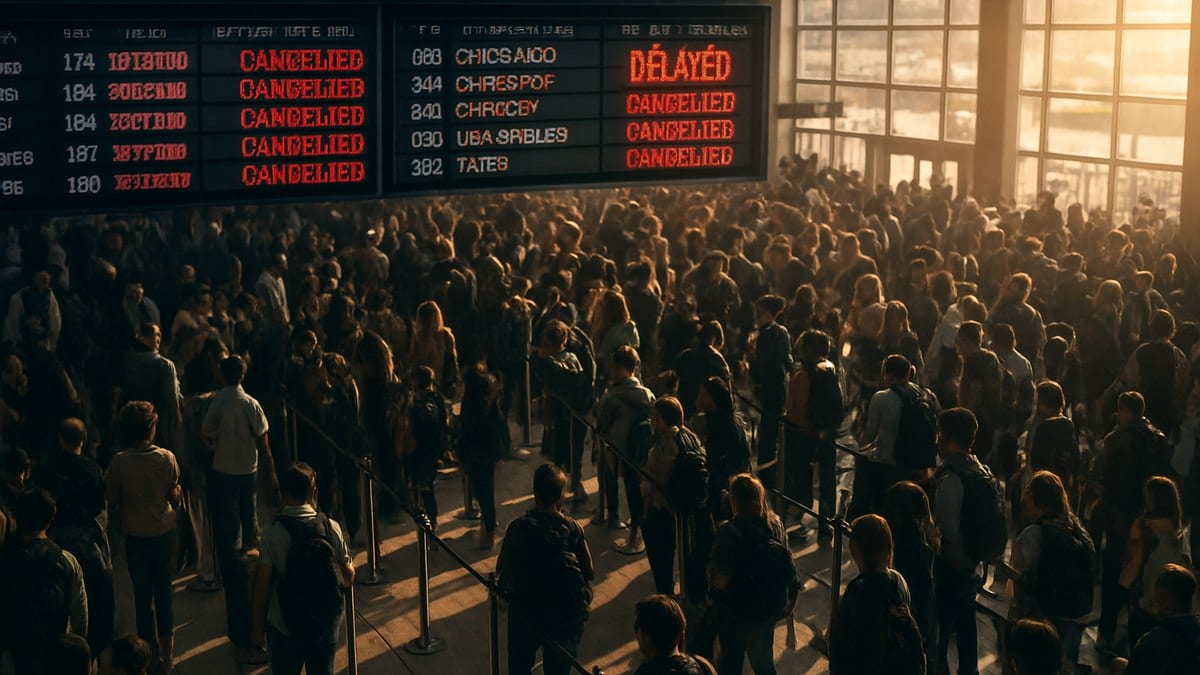
Spring Break Congestion Converges With Systemwide Disruptions
Harry Reid International Airport has entered one of its busiest periods of the year as college students, families and convention visitors funnel through Las Vegas for spring break travel. Recent coverage indicates that March 2026 traffic has been accompanied by rolling delays and scattered cancellations, part of a wider pattern affecting major U.S. airports during the same period.
Reports from aviation and travel outlets describe days in mid to late March when hundreds of flights across the country were disrupted by severe weather in the Midwest and along the East Coast, knocking airline schedules off balance just as leisure demand peaked. On several of those days, Harry Reid appeared on national delay dashboards alongside large hubs such as Atlanta and New York, underscoring how interconnected operations have become.
Local travel industry reporting has highlighted individual days when more than 100 flights touching Las Vegas were delayed or canceled as airlines attempted to recover from storms and equipment rotations elsewhere. While Las Vegas itself often enjoyed clear skies, disruptions in feeder cities translated into late arriving aircraft and compressed turnaround times, creating knock-on delays for outbound spring break travelers.
These operational strains come as Harry Reid continues to rank among the busiest airports in the United States by passenger volume, following several record setting years for Las Vegas tourism and steadily rising throughput in the first quarter of 2026.
Staffing and Security Pressures Add to Wait Times
Alongside weather and network issues, staffing questions have remained a point of concern for travelers passing through Las Vegas this spring. Travel focused publications have pointed to an ongoing federal government shutdown and national stories about Transportation Security Administration staffing as a backdrop for anxiety around airport screening lines.
At Harry Reid, the picture has been mixed. Some recent accounts from travelers describe early morning and off peak departures moving through checkpoints in a matter of minutes, suggesting that local staffing levels have been sufficient to keep lines flowing during certain windows. Other days, particularly at the height of spring break weekends, have seen longer queues as surging demand outpaced available capacity.
National data on airport security throughput show elevated passenger numbers compared with prior years, while Las Vegas specific commentary indicates that even modest slowdowns in screening can cascade into boarding delays when planes are scheduled with tight turnaround times. For airlines operating in and out of Harry Reid, this environment has increased the importance of precise staffing, aircraft positioning and schedule discipline just as crowds have swelled.
Publicly available airport traffic summaries suggest that Las Vegas remains heavily dependent on domestic leisure demand, which tends to arrive in concentrated waves around weekends, major events and holiday periods. That concentration can intensify the impact of any disruption on both passenger experience and airline operating metrics.
High Winds, Weather Ripples and Operational Resilience
Weather has been another complicating factor for Harry Reid this season. Aviation advisories in February warned that high winds in the Las Vegas Valley could trigger ground delays and affect arrival and departure rates. While not every forecast materialized into sustained disruption, the risk of rapid operational slowdowns lingered into the spring break period.
At the same time, winter and early spring storms in other parts of the country created their own set of challenges. Coverage from national news agencies described a powerful March system that produced heavy snow, high winds and tornado threats across large swaths of the United States, leading to thousands of cancellations and delays at major hubs. For airlines that use Las Vegas as a key leisure destination within a larger network, those storms effectively acted as bottlenecks, with impacts eventually felt at Harry Reid as aircraft and crews arrived out of position.
Aviation analysts note that in such conditions, carriers must continually reoptimize flight schedules, sometimes trimming frequencies or consolidating flights to restore normal operations. That process can take several days, and during a high demand period such as spring break, the result is often a patchwork of full flights, tighter connection windows and limited rebooking options for stranded passengers.
These dynamics have placed Harry Reid at the intersection of local weather risk and national network fragility, emphasizing the airport’s role as both a destination and a node in a complex web of airline operations.
Investor Focus Turns to Airline Stock Swings
As travelers confronted delays at Las Vegas and other busy airports, investors were weighing what the disruptions might mean for the financial performance of carriers heavily exposed to leisure demand. In recent weeks, market commentary has highlighted pronounced swings in several U.S. airline stocks, with intraday moves amplified by changing assessments of fuel costs, consumer spending and operational reliability.
Analyst notes published in March pointed to a combination of firm travel demand and higher operating expenses, particularly jet fuel and labor, as drivers of volatility in airline valuations. Some reports characterized the latest pullback in carrier shares as a possible buying opportunity, provided that summer bookings remain resilient and airlines can manage disruption costs during shoulder seasons such as spring break.
Las Vegas based Allegiant Travel Company, parent of low cost carrier Allegiant Air, has drawn particular attention after announcing an agreement earlier this year to acquire another U.S. airline. Market coverage suggests that investors are watching closely to see how integration plans, route strategies and exposure to discretionary leisure markets such as Las Vegas interact with the current backdrop of disruptions and elevated fuel prices.
Across the sector, the financial impact of delays at airports like Harry Reid is likely to show up in metrics such as on time performance, completion factors and unit costs. While a few difficult days rarely alter long term investment narratives on their own, they can influence sentiment when they coincide with broader concerns about consumer confidence and macroeconomic trends.
Las Vegas Tourism Resilience Tested by Repeated Shockwaves
For Las Vegas, which relies heavily on air access through Harry Reid, the latest wave of spring break disruptions represents another test of the city’s tourism resilience. Economic research from regional institutions has tracked strong growth in visitor volumes over recent years, with passenger counts at the airport rising alongside hotel occupancy and convention activity.
Frequent flight delays, however, carry potential long term implications for traveler perceptions. Travel industry analysts note that repeated experiences of missed connections, long waits at gates or uncertain departure times can influence decisions about when and how visitors return, particularly when they have alternative leisure destinations within a similar price range.
Local coverage has also emphasized the role of airlines in managing customer expectations during disruption events at Harry Reid. Proactive communication through mobile apps, generous rebooking policies and flexible same day change options have been cited as factors that can mitigate frustration, even when schedule reliability falters. Carriers that maintain strong reputations for customer service may be better positioned to navigate the reputational fallout from weather and staffing related delays.
As the spring break period tapers off and attention shifts to the summer travel season, both Las Vegas officials and airline investors are likely to watch closely whether the latest disruptions at Harry Reid translate into any measurable shift in booking patterns or spending behavior. For now, the combination of high demand, operational complexity and market sensitivity continues to keep both the airport and airline stocks under an intense spotlight.