

More news on this day
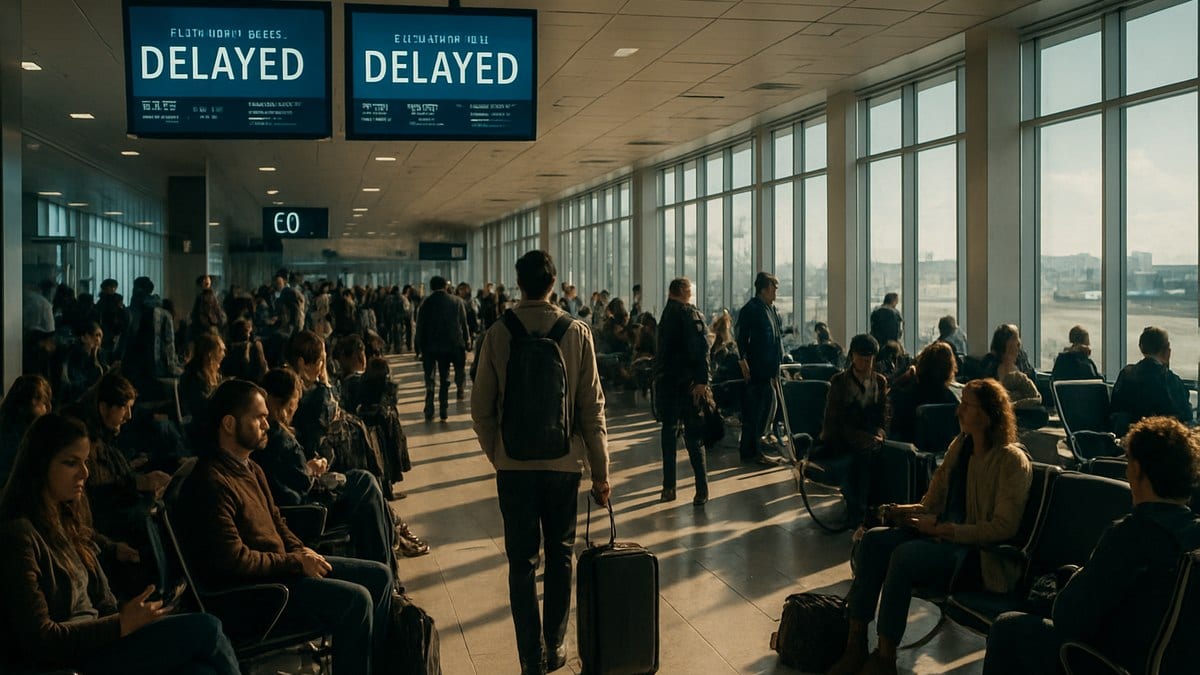
Fresh flight delays at Las Vegas’s Harry Reid International Airport are rippling through one of the busiest travel periods of the year, stranding spring travelers, disrupting key routes across North America and contributing to renewed pressure on airline stocks.
Get the latest news straight to your inbox!
Spring Gridlock Converges on Las Vegas Hub
Published coverage and aviation data trackers indicate that Harry Reid International Airport has endured several concentrated bursts of disruption since late February, with the latest wave in early April coinciding with peak spring break and events traffic. Reports describe hundreds of delays and a cluster of cancellations on routes linking Las Vegas to major hubs including Los Angeles, San Francisco, Denver, Toronto and several East Coast cities.
Travel-industry outlets note that on some of the worst days more than 200 flights at Harry Reid were delayed, with additional cancellations compounding the backlog. Those operational issues have arrived on top of a broader national pattern of spring weather systems and air traffic control slowdowns, creating a fragile environment in which a local problem quickly turns into a multi-state disruption.
Passenger-rights advocates and travel-data firms point to mid-April as a particular stress point, when national delay totals climbed into the thousands in a single day and Las Vegas featured prominently among the hardest-hit airports. The result for travelers has been missed connections, extended time on airport concourses and an increasingly unpredictable start to the spring leisure season.
Observers of the aviation system say Harry Reid’s role as a gateway both for resort visitors and for connections across the western United States magnifies the impact of any local disruption. When aircraft and crews end up out of position in Las Vegas, knock-on effects can be felt on subsequent rotations far from Nevada, from regional spokes to international links.
Airline Shares React to Delay Headlines
Equity market reports show that the latest disruptions at Harry Reid have coincided with a bout of volatility in airline stocks, as investors reassess the sector’s ability to manage strong demand with limited spare capacity. On days when the Las Vegas delay counts have spiked, major United States carriers and several low-cost rivals have seen their share prices move lower, with travel-focused exchange-traded funds also underperforming the broader market.
Analysts cited in recent financial coverage emphasize that delays on the scale seen in Las Vegas add to operating costs by increasing crew duty times, boosting fuel consumption during extended taxi and holding patterns, and forcing airlines to shoulder expenses for rebooking and passenger care. Those pressures, they note, are arriving as carriers already face higher wage bills and remain selective about capacity growth.
Market commentary also points to heightened options activity in airline names on heavy disruption days, suggesting that short-term traders are reacting quickly to headlines about airport gridlock. While single episodes of weather or congestion typically have only a modest effect on long-term earnings expectations, repeated strains at a prominent hub such as Harry Reid can contribute to a narrative of instability that weighs on investor sentiment.
For carriers with a sizable presence in Las Vegas, the recent delays are being evaluated alongside softer passenger numbers at the airport compared with previous record years. Some research notes that airlines have already been trimming or reshaping their Las Vegas schedules, and fresh operational problems may accelerate those strategic reviews.
Travelers Confront Cascading Disruptions
For passengers, the practical effects of the Harry Reid disruptions have been felt in long gate holds, rolling departure times and sudden schedule changes just as the spring travel season ramps up. Published accounts from recent days describe travelers facing waits of several hours, missed connections at downstream hubs and last-minute rebookings onto overnight or next-day services.
Consumer guidance circulating across travel media encourages affected passengers to keep detailed records of their experience, including screenshots of delay notifications, boarding passes and receipts for meals or accommodation incurred during extended waits. Such documentation can prove useful when seeking reimbursements under airline policies or through credit card travel protections.
At the airport itself, official messaging has continued to direct passengers primarily to airline apps, text alerts and departure boards for real-time information. Operational observers note that communication can be challenging during cascading delays, as gate assignments change repeatedly and forecasts for departure times remain uncertain until crews and aircraft are firmly in place.
Despite the turbulence, some measurements still portray Harry Reid as functioning more smoothly than other United States hubs during parts of the current staffing and security environment. However, the recurring spikes in delays highlight how quickly conditions can deteriorate once weather systems, air traffic restrictions and tight schedules intersect on busy spring weekends.
Structural Strains Behind the Spring Squeeze
The latest problems at Harry Reid are unfolding against a backdrop of shifting demand patterns and structural constraints in United States aviation. Airport data for 2025 show that passenger volumes through Las Vegas have eased from earlier record highs, with several carriers reducing frequencies or reallocating aircraft to other markets viewed as more profitable.
Industry reporting links those adjustments to broader economic uncertainty, including more cautious leisure spending and the lingering effects of changing tariff and cost structures. Even with slightly lower passenger counts than in previous boom years, the combination of concentrated event weekends, spring break crowds and limited spare aircraft leaves little margin for error in the daily schedule.
Harry Reid itself has been pursuing infrastructure work and operational changes aimed at improving long-term efficiency, including taxiway upgrades and terminal enhancements. Construction activity and the process of bedding in new procedures can nonetheless introduce short-term complexity, especially when paired with high volumes and variable weather.
Aviation specialists describe the spring disruptions as a stress test for an already stretched system, in which regional staffing challenges, air traffic control constraints and aircraft availability converge. In that context, Las Vegas serves as a visible barometer of how well airlines and airports can handle surging demand with limited slack.
What Spring Travelers Can Expect Next
Looking ahead to the remainder of April and into early summer, travel forecasters suggest that demand for Las Vegas will remain robust, supported by conventions, sports events and ongoing leisure interest. That appetite for travel, combined with the recent record of disruptions at Harry Reid, suggests that travelers may continue to face periods of elevated delay risk through the spring shoulder season.
Guidance across travel and consumer platforms encourages passengers with upcoming trips to build in additional buffer time, particularly for tight connections and evening departures that leave fewer recovery options if schedules slip. Flexible itineraries, early morning flights where possible and proactive monitoring of flight status are being highlighted as practical steps to reduce stress.
Airlines are expected to keep refining their schedules and staffing plans as the season progresses, and any signs of improving reliability at Las Vegas could help calm both traveler nerves and market concerns. For now, though, the combination of recurring delay clusters and sensitive airline share prices ensures that operational performance at Harry Reid will remain under close scrutiny from both passengers and investors.
As the spring travel window unfolds, Harry Reid’s experience is likely to continue serving as a reference point for the health of United States aviation more broadly, illustrating how quickly local disruptions can impact national networks and financial markets when the system is running near its limits.