

More news on this day
Spring break crowds converging on Las Vegas in March have turned Harry Reid International Airport into a bellwether for U.S. travel stresses, with rolling delays and operational strains coinciding with a sharp uptick in airline stock volatility across the broader market.
Get the latest news straight to your inbox!
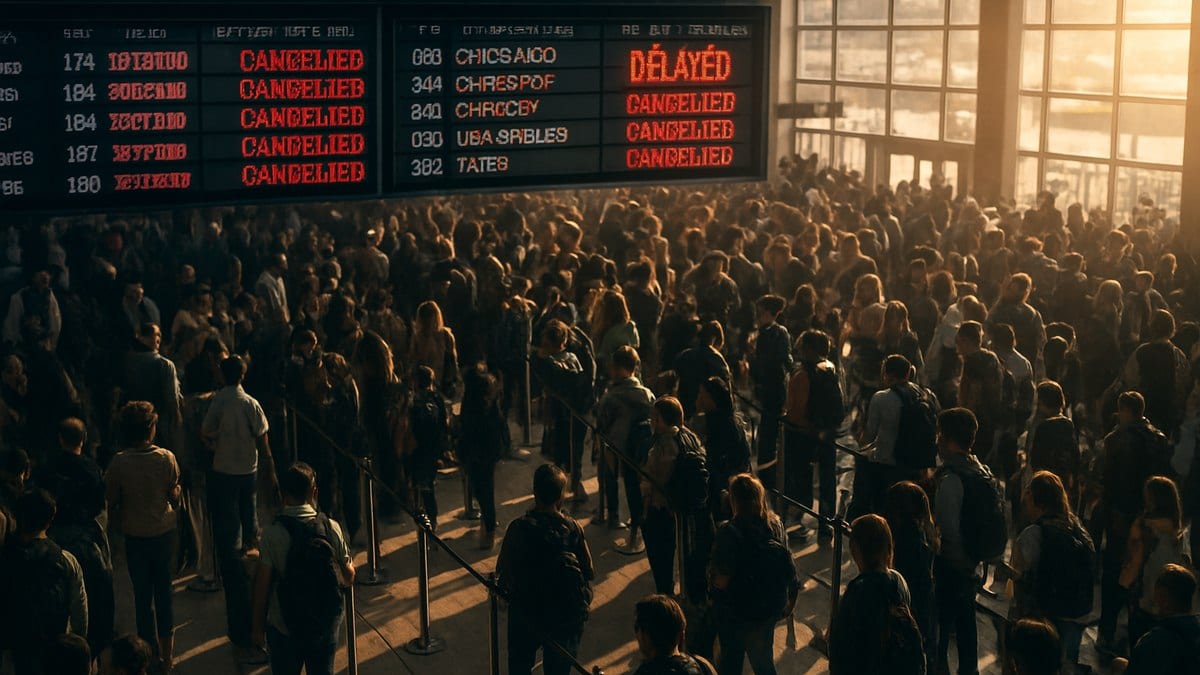
Spring Break Travel Strains Hit Las Vegas Hub
Harry Reid International Airport in Las Vegas has faced intermittent disruptions through March as spring break travel, unsettled weather and wider system pressures converge during one of the busiest leisure periods of the year. Publicly available flight-tracking data and local coverage point to recurring clusters of delays and cancellations affecting both inbound and outbound traffic on peak days, even as overall passenger volumes have softened compared with a year earlier.
Reports indicate that March 2026 has brought a mix of high-demand weekends tied to spring break travel and major events, alongside midweek lulls that leave the airport oscillating between crowded terminals and relatively light traffic. This uneven pattern has contributed to periods where airline and ground operations are stretched during specific windows, particularly early-morning and late-afternoon departure banks.
Local and national outlets have highlighted Harry Reid’s role as a key leisure gateway, serving both domestic visitors and an important, if recently weaker, international segment. Passenger statistics released over recent months show year-to-date traffic down from 2025 levels, suggesting that while terminals still fill during marquee travel weekends, airlines are operating within a more fragile demand environment that leaves less margin when disruptions occur.
Travel-industry observers note that Las Vegas has often been a bellwether for U.S. leisure travel trends, and the spring break period is further underscoring that status. The combination of event-driven crowds, shifting airline capacity and broader economic uncertainty has made conditions at Harry Reid a closely watched indicator for how much strain the aviation system can absorb as peak travel season ramps up.
Operational Disruptions Build Through March
March’s travel picture at Harry Reid has been shaped by a series of overlapping operational challenges. Earlier in the season, severe weather systems and high winds across the western United States prompted ground delays and temporary flight restrictions into Las Vegas, resulting in backlogs that sometimes took hours to unwind. Aviation advisories and airport-focused reports described stretches where inbound flights were briefly halted or slowed, creating ripples across departure schedules.
More recently, national storm systems moving across the Midwest and East Coast have disrupted airline networks at major hubs, indirectly affecting Las Vegas operations. When aircraft and crews are held up at other airports, departures from Harry Reid can face rolling delays even under clear Nevada skies. Data from flight-tracking services during late March showed hundreds of delays nationwide on peak storm days, with Harry Reid experiencing a noticeable uptick in late departures and a modest number of cancellations linked to those broader network strains.
Within the terminal, spring break passenger surges have tested checkpoints and boarding gates at specific times of day. Trade publications focused on the travel sector have pointed to ongoing staffing pressures at security and airline ground operations across the United States, and Las Vegas has not been fully insulated from those trends. At Harry Reid, publicly available commentary and traveler accounts in March describe generally manageable conditions on many days but occasional long lines, especially during early-morning international departures.
These intermittent disruptions have been enough to disrupt itineraries for spring break travelers heading to and from Las Vegas, including missed connections and shortened stays. While most flights continue to operate, the pattern of localized congestion and rolling delays has reinforced the perception that the U.S. air travel system remains vulnerable to spikes in demand and external shocks.
Market Turbulence for Airline Stocks
The travel stress seen at Harry Reid during spring break has unfolded against a volatile backdrop for airline equities. In March, airline and broader travel stocks have swung sharply as investors digest higher fuel costs, route changes linked to geopolitical tensions and renewed questions about the resilience of consumer travel demand. Financial news coverage notes that several major U.S. carriers have posted double-digit percentage declines from recent highs over the past month.
Energy market moves have been a central driver of that turbulence. Crude oil prices climbed rapidly in early March amid heightened geopolitical risk, intensifying concerns about airlines’ fuel expenses just as carriers enter the season when they rely heavily on leisure travel to support profitability. Market commentary indicates that this has prompted investors to reassess earnings prospects for airlines going into the summer, with any sign of operational strain or demand softness, including at key leisure hubs like Las Vegas, adding to the cautious mood.
Analysts following the sector have emphasized that airlines are being pulled in opposite directions. On one side, demand for travel to destinations such as Las Vegas remains resilient during key holiday periods like spring break, supporting ticket revenue and ancillary sales. On the other, the cost pressures and logistical complications of operating through repeated weather disruptions and staffing constraints have increased the risk that margins will be squeezed just as carriers are trying to rebuild balance sheets.
This tension has translated into sharp intraday swings for airline stocks in recent trading sessions. News of storm-related flight disruptions, ground delays or heavier-than-expected congestion at high-profile airports tends to reinforce existing investor worries, contributing to bouts of selling across airline and travel names even when the underlying operational issues are temporary.
Las Vegas as a Sentiment Gauge for Leisure Travel
For market participants watching airline stocks, developments at Harry Reid during spring break carry symbolic weight. Las Vegas remains one of the United States’ premier leisure destinations, and its airport is a key node for low-cost and full-service carriers alike. Publicly available traffic data showing recent year-on-year declines in passenger volumes, combined with high-profile days of delays and cancellations this March, has encouraged a narrative that leisure demand, while still solid, may be less robust than during the post-pandemic surge.
At the same time, coverage from local and industry outlets underlines that visitor interest in Las Vegas has not disappeared. Even with lower aggregate passenger totals, certain weekends and events are still filling hotels and casinos, which in turn packs flights during narrow travel windows. This concentration effect means that when disruptions occur, they impact a dense cluster of leisure travelers, generating outsized visibility and social media attention relative to the absolute number of affected flights.
Financial commentators have started to treat real-time reports from hubs like Harry Reid as a form of sentiment indicator. Images of crowded terminals, long lines or departure boards full of delayed flights tend to amplify pessimistic views about airlines’ ability to manage costs and service levels in a challenging environment. Conversely, accounts of smoother operations in Las Vegas and other high-volume leisure markets may help stabilize sentiment, especially if accompanied by constructive traffic or revenue updates from carriers.
As spring break winds down and the industry looks toward the summer peak, conditions at Harry Reid International Airport will likely remain under close watch. Any further clusters of delays or cancellations during busy weekends could reinforce volatility in airline shares, while evidence of smoother throughput and more predictable operations may help convince investors that travel companies are better positioned to navigate the current mix of strong seasonal demand and elevated external pressures.