

Designing a Hawaii bucket list is as much about how you experience the islands as it is about where you go. From active volcanoes glowing in the night to quiet taro terraces and surf-washed beaches, Hawaii’s most memorable moments mix raw natural drama with deep living culture. This guide brings together the must-see places and signature experiences that define a once-in-a-lifetime trip, based on the latest conditions, access rules and on-the-ground updates across the islands.
Witness Fire and Creation on the Island of Hawaiʻi
The Island of Hawaiʻi, often called the Big Island, is where the power that built the archipelago is most visible. Hawaii Volcanoes National Park is typically the star attraction, with Kīlauea among the world’s most closely watched active volcanoes. In early 2026, scientists at the Hawaiian Volcano Observatory are tracking episodic eruptions that have produced striking lava fountains within the park’s closed summit area, with forecast windows for new activity published regularly. Visitor viewpoints, crater rim overlooks and sections of the park may open or close at short notice depending on conditions, so it is essential to check official updates shortly before you go.
Even when lava is not visibly flowing, the park delivers a bucket-list sense of scale. Crater vistas, steam vents, sulfur-scented landscapes and old lava flows tell the story of continuous creation. Driving the Chain of Craters Road toward the coast, you pass otherworldly terrain before reaching sea cliffs shaped by successive eruptions. The dramatic Hōlei Sea Arch, carved where lava once met the Pacific, is a classic stop near the end of the road and a reminder that this coastline is very much alive and changing.
Volcanic activity is not limited to Kīlauea. Mauna Loa, the largest volcano on Earth by volume, finished a headline-making eruption in late 2022 and has been slowly refilling its magma system since, with scientists continuing to monitor subtle changes. This does not mean imminent surface flows, but it highlights why the Big Island belongs on any geology or photography enthusiast’s list. Clear nights at higher elevations can also bring some of Hawaii’s best stargazing, with crisp skies and a sense of isolation that is hard to find elsewhere.
Because gas emissions and tephra can affect air quality around active vents, especially during eruptive episodes, sensitive travelers should allow flexibility in their plans. Build in time for safer alternative activities on the island, from coastal hikes to black sand beaches, in case certain viewpoints are temporarily restricted. Planning for this kind of spontaneity can turn a shifting volcanic schedule into part of the adventure.
Chase Sunrises, Waterfalls and Black Sands on Maui
Maui has long been synonymous with romantic escapes and varied landscapes, and it remains a bucket list favorite. At its heart is Haleakalā National Park, where sunrise above the clouds from the summit crater is one of Hawaii’s iconic experiences. In recent years the park has used an advance reservation system for sunrise vehicle access and has encouraged off-peak visits to protect fragile alpine terrain and reduce congestion. The high elevation brings cold temperatures and strong winds, so pack layers, a warm hat and patience for changeable weather.
On the opposite side of the volcano, the lush Kīpahulu District of Haleakalā National Park showcases an entirely different world. Here, the celebrated Pīpīwai Trail meanders through towering bamboo and past streams to a high waterfall, while coastal viewpoints reveal the powerful meeting of freshwater and ocean. Access policies can evolve after storms or flooding, and park alerts sometimes mention water shortages, so visitors should arrive self-sufficient with drinking water and follow ranger guidance closely, especially during dry spells.
The Road to Hana, a winding coastal route that remains one of Hawaii’s best-known drives, continues to draw visitors seeking waterfalls, ocean overlooks and old lava cliffs. Recent guides for 2026 emphasize that it is an all-day commitment with narrow bridges, frequent one-lane sections and limited facilities. In some periods, specific attractions, such as lava tubes, have been temporarily closed for safety assessments or cultural resource surveys. Other highlights, including viewpoints at state parks, arboretums and village peninsulas, still provide ample opportunities for scenic breaks and photo stops.
One of the road’s standout destinations is Waiʻanapanapa State Park near Hāna, a compact but spectacular area known for its black sand beach, sea arches and vivid coastal colors. To protect the small bay and surrounding cultural sites, the state now requires non-resident visitors to secure timed reservations and pay entrance and parking fees in advance. This system has reduced overcrowding and made the experience more relaxed, but it does mean you must coordinate your driving schedule carefully to match your time slot.
Explore the Garden Isle’s Wild Coasts and Quiet Valleys
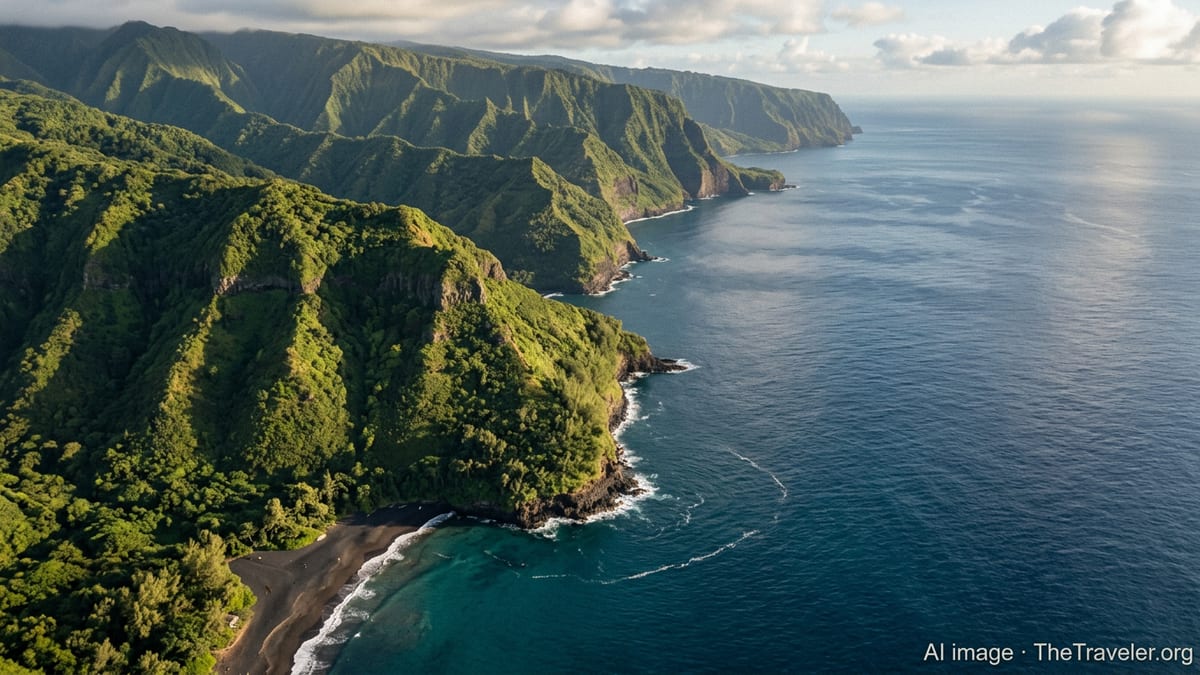
Kauaʻi’s reputation as the Garden Isle is well earned. It offers some of Hawaii’s most dramatic coastal scenery along the Nāpali Coast, as well as serene taro fields and river valleys inland. For many travelers, seeing the Nāpali cliffs is non-negotiable on a Hawaii bucket list. While towering ridgelines and sea-carved amphitheaters are visible from select roadside lookouts, the full grandeur often comes into view from boat tours or helicopter flights that circle the island, conditions and budgets permitting.
On foot, the legendary Kalalau Trail traces the Nāpali Coast from the trailhead at the end of the road in Hāʻena. The first section, from Kēʻē Beach to Hanakāpīʻai Valley, is a strenuous hike that climbs and descends along exposed coastal terrain, with stunning views but frequent mud and slippery roots. Beyond Hanakāpīʻai, continuing along the trail requires a camping permit for the Nāpali Coast State Wilderness Park, and overnight permits to Kalalau Beach are limited to short stays and sell out early.
To prevent overcrowding and protect sensitive ecosystems and cultural sites, Hāʻena State Park now operates under a strict daily cap for visitors, with shuttle systems and advance reservations forming a key part of access management. Real-time park condition updates highlight temporary closures after landslides or heavy rain, particularly on narrow cliffside sections and stream crossings along the Kalalau route. Travelers need to be honest about their fitness, heed warning signs and understand that high surf, flash floods and rockfall risks can change plans on short notice.
Elsewhere on Kauaʻi, the interior highlands around Waimea Canyon and Kōkeʻe State Park offer miles of trails through native forests, ridge-top vistas and cooler temperatures. Here, too, conditions can shift quickly, especially in winter months when heavy rains can trigger closures. As tourism rebounds and daily spending by visitors continues to rise, local authorities have been investing in trail maintenance and interpretive signage. A thoughtful Kauaʻi itinerary balances must-see viewpoints with slower moments in small towns, farmers markets and taro-growing valleys where the pace of life remains unhurried.
Balance Iconic Waikīkī With Deeper Oʻahu
Oʻahu is often a traveler’s entry point to Hawaii and a natural addition to any bucket list. Waikīkī’s famous crescent of sand, framed by Diamond Head and a skyline of resorts, is both a historic beach and a modern hub for surfing, dining and shopping. While it can feel busy, early mornings or late afternoons still bring a more relaxed atmosphere, when outrigger canoes glide offshore and beginner surfers paddle into forgiving waves near shore.
Beyond Waikīkī, Oʻahu holds a spectrum of experiences that reveal more of the island’s character. The North Shore remains a pilgrimage site for surfers, with winter swells drawing international competitions and summer bringing calmer conditions better suited to swimming and snorkeling. Rural windward communities sit beneath soaring cliffs, with short hikes leading to waterfalls and panoramic viewpoints. As on the other islands, some popular trails now employ reservation systems or parking limits to reduce crowding and erosion.
Cultural and historical sites across Oʻahu can deepen your understanding of Hawaii. From important heiau (temple) sites and royal-era neighborhoods to museums and memorials, there are many opportunities to learn about the islands beyond their beaches. Recent state park brochures and guidance stress respectful conduct at sacred places: staying on marked paths, avoiding stepping on stone structures and treating cultural landscapes with the same care as museum interiors.
Because Oʻahu hosts both the state capital and the largest year-round population, it offers robust public transportation and urban amenities alongside its scenic draws. This makes it a practical base for first-time visitors, including families and travelers who prefer not to rent a car the entire time. Thoughtful planning can pair a few classic Waikīkī days with side trips to coastal lookouts, botanical gardens and lesser-known beaches that spread visitor impact more evenly around the island.
Immerse Yourself in Hawaiian Culture and Daily Life
No Hawaii bucket list is complete without intentional time devoted to culture. While iconic sights often dominate itineraries, some of the most lasting memories come from everyday interactions and locally grounded experiences. Visiting cultural centers, attending hula performances rooted in tradition, or joining guided walks led by cultural practitioners can introduce you to stories of place that transform how you see the landscape.
Across the islands, community events and farmers markets offer chances to taste regional produce, from taro and breadfruit to fresh-caught fish and island-grown coffee. Purchasing directly from small vendors supports local economies at a time when visitor spending has increased but operating costs and housing pressures remain high. Many communities now encourage travelers to seek out businesses that are locally owned and to consider the broader impact of where they stay and what tours they book.
Respectful behavior is central to travel in Hawaii. That means asking permission before entering areas that are not clearly public, packing out all trash, avoiding touching marine life or coral while snorkeling, and giving residents space on narrow roads and in small parking areas. Simple phrases in Hawaiian, such as mahalo for thank you and aloha as a greeting, can go a long way when used sincerely.
As tourism numbers evolve and state agencies refine management strategies for parks and shorelines, visitors play an active role in shaping the experience for those who come after them. Taking time to learn about place names, historical context and living cultural practices enriches your trip and fosters a sense of connection that lingers long after you have left the islands.
Snorkel, Surf and Respect the Ocean
Hawaii’s undersea world is a major reason many travelers prioritize the islands, and snorkeling or diving belongs on most bucket lists. Reefs off Maui, Oʻahu, Kauaʻi and the Island of Hawaiʻi harbor colorful fish, sea turtles and intricate coral structures. Conditions and access, however, are highly site-specific and influenced by weather, swell direction and protective regulations. Lifeguard reports and local advice remain the best guide to where and when it is safe to enter the water.
Some bays and marine life conservation districts now limit daily visitor numbers or require reservations to reduce crowding and protect fragile ecosystems. Elsewhere, parking is restricted or shore entry is discouraged during certain swell patterns to prevent accidents. Even in apparently calm water, strong currents and sudden waves can pose risks to inexperienced swimmers. Choosing reef-safe sunscreen, avoiding physical contact with coral and giving marine animals ample space are simple steps that help preserve the environment for future visitors.
Surfing is another quintessential Hawaiian experience. Beginners can find gentle breaks with surf schools in Waikīkī or along protected stretches of coast on Maui and Kauaʻi during calmer seasons. Advanced surfers may plan their trips around big-wave seasons or specific reef breaks, though local etiquette is strict and should be respected. In crowded lineups, understanding priority rules and being courteous to residents is especially important.
For those who prefer to stay on top of the water, outrigger canoe tours, stand-up paddleboarding and coastal cruises provide alternative ways to connect with the ocean. Regardless of the activity, conditions can change rapidly, so a flexible mindset and willingness to adjust plans are essential. Checking forecasts and heeding closures, particularly during winter surf on north-facing shores, can keep a dream day at the beach from turning into an emergency.
Plan Smart in a Changing Tourism Landscape
Hawaii’s tourism industry has continued to recover and evolve, with recent state reports noting that overall visitor spending has risen even when total arrivals have dipped during certain months. This has practical implications for travelers: while more experiences may require reservations and fees, there is also growing emphasis on dispersing crowds, protecting resources and improving quality of experience rather than simply maximizing numbers.
For many bucket-list activities, advance planning is now non-negotiable. Sunrise at Haleakalā, entry to Waiʻanapanapa State Park, access to Hāʻena State Park and sections of the Kalalau Trail, and some high-demand snorkeling sites all typically rely on timed reservations or daily caps. These systems are subject to revision, especially after storms, wildfires or other natural events, so trip planners should review official state park, national park and county websites in the months and days before arrival.
Rental car availability, interisland flight schedules and guided tour options can also fluctuate as operators respond to changing demand and operating costs. Booking key logistics early, while leaving some open days for spontaneous exploration, tends to yield the best balance. Travel insurance that accounts for severe weather, flight disruptions and sudden closures can add a layer of security, particularly during peak hurricane or heavy-rain seasons.
Responsible timing matters as well. Traveling slightly outside peak holiday periods can ease pressure on local communities and infrastructure, while often providing better rates and quieter trails. Whenever you decide to visit, being flexible and patient with staff at parks, rental counters and small businesses goes a long way; many are navigating shifting regulations and resource constraints even as they work to deliver memorable experiences.
The Takeaway
Building a Hawaii bucket list in 2026 means combining classic images of surf and sunsets with a clear-eyed understanding of how the islands are changing. Active volcanoes, evolving park reservation systems and community-driven efforts to protect cultural and natural resources all shape what visitors see and how they move through these landscapes. With thoughtful planning and a willingness to adapt, you can still witness lava glowing in the dark, stand at the edge of soaring sea cliffs, wake before dawn for summit sunrises and float above coral reefs alive with color.
More importantly, you can do so in ways that honor the people and places that make Hawaii unique. By centering local culture, listening to on-the-ground guidance and approaching every valley, beach and overlook with humility, your bucket list becomes more than a checklist. It becomes a series of shared moments in a living place that continues to evolve, shaped by natural forces and human choices alike.
FAQ
Q1. Which Hawaiian island is best for a first-time bucket list trip?
Oʻahu is often the easiest starting point because it combines major sights, robust infrastructure and many tour options, but pairing it with Maui or the Island of Hawaiʻi offers more variety.
Q2. Is it safe to visit Hawaii Volcanoes National Park while Kīlauea is erupting?
Yes, when the park is open, visitor areas are managed to keep people away from direct hazards, but conditions can change quickly and some zones may close without much notice.
Q3. Do I need reservations for the Road to Hana on Maui?
The drive itself does not require a reservation, but several key stops, such as Waiʻanapanapa State Park, use timed entry systems and advance booking is strongly recommended.
Q4. How far in advance should I book sunrise at Haleakalā?
Sunrise vehicle reservations at Haleakalā National Park can sell out quickly during popular periods, so it is wise to secure them as soon as your travel dates are firm.
Q5. Can I hike the entire Kalalau Trail without a permit?
No, hiking beyond the initial section to Hanakāpīʻai Valley requires an overnight camping permit for Nāpali Coast State Wilderness Park, and these permits are limited and closely regulated.
Q6. What is the best time of year to visit Hawaii for good weather?
Weather is generally pleasant year-round, but late spring and early fall often bring slightly fewer crowds and a good balance of warm temperatures and manageable surf.
Q7. Is snorkeling suitable for beginners in Hawaii?
Yes, many sheltered bays and lifeguarded beaches cater to beginners, though you should always check local conditions, follow safety advice and stay within your comfort zone.
Q8. How can I make my Hawaii trip more sustainable and respectful?
Choosing locally owned accommodations and tours, learning basic Hawaiian terms, following posted rules and avoiding fragile habitats are practical ways to travel more thoughtfully.
Q9. Do I need a car to enjoy a Hawaii bucket list itinerary?
A car offers the most flexibility on most islands, but in parts of Oʻahu, especially around Waikīkī and Honolulu, you can rely on public transit, shuttles and walking for many activities.
Q10. How many islands should I include on a two-week Hawaii trip?
Most travelers find that focusing on two, or at most three, islands in two weeks allows enough time to enjoy headline experiences without spending too much of the trip in transit.