

Planning a Hawaii vacation has become more complex in recent years, with wildfire recovery on Maui, changing visitor numbers across the islands, and new taxes and rules designed to protect fragile environments. Yet the four main islands most visitors consider Oahu, Maui, Kauai and Hawaii Island, often called the Big Island, still offer remarkable diversity in landscapes and experiences. Understanding how they differ will help you design a trip that fits your style, respects local communities and makes the most of your time and budget.
Hawaii Now: What Travelers Should Know Before Booking
Hawaii remains one of the United States’ most popular vacation destinations, drawing many millions of visitors each year. Recent state reports show overall visitor arrivals have largely recovered compared with pre-2020 levels, though patterns have shifted by island. Oahu remains the busiest gateway, while Maui numbers dipped after the 2023 Lahaina wildfire and have been gradually climbing back as more areas reopen and recovery continues. Travelers today will notice a stronger focus on safety, climate resilience and community well being woven into the visitor experience.
In 2025 Hawaii lawmakers approved higher lodging taxes on hotels and vacation rentals to fund shoreline protection, wildfire prevention and other climate related projects. The result for travelers is that nightly bills may feel noticeably higher than in the past, especially once state and local taxes are added to resort fees. At the same time, limited beachfront land, strong post pandemic demand and supply constraints on some islands help keep base room rates elevated, especially in winter and during school holidays.
Maui in particular is in a period of transition. West Maui resort areas have reopened in phases, but Lahaina town remains in long term rebuilding and some neighborhoods are still off limits. County leaders are also pursuing policies that would phase out many short term vacation rentals in coming years to free up housing for residents. Visitors are still welcome, and tourism remains critical to local jobs, but choosing where to stay and how to spend becomes an ethical decision as much as a practical one.
Across the state, there is also a clear push toward what officials call regenerative or responsible tourism. This goes beyond leaving no trace. Visitors are increasingly encouraged to support locally owned businesses, volunteer with conservation groups where appropriate, learn about Native Hawaiian history and culture, and follow new reservation systems at popular natural sites that help reduce overcrowding. Planning ahead is now essential, not optional.
Choosing Your Island: Oahu, Maui, Kauai or the Big Island
For first time visitors, the biggest question is often which island to choose. Oahu, home to Honolulu, is the most urban and offers the widest range of flights, hotels and nightlife, anchored by the famous crescent of Waikiki Beach. It suits travelers who want a blend of city convenience, accessible beaches, shopping, dining and cultural sights like Pearl Harbor and Iolani Palace. Traffic, crowds and high rise development are part of the reality, especially in and around Waikiki, but quieter corners of the island still exist if you plan carefully.
Maui traditionally attracted travelers seeking a classic upscale resort vacation with dramatic scenery. It offers golden beaches in areas like Kaanapali and Wailea, the winding Road to Hana through lush rainforest and waterfalls, and sunrise or sunset experiences atop Haleakala’s summit. Since the 2023 wildfire, the island’s tone has become more reflective. Many visitors now approach their trips with a stronger awareness that Maui is not just a playground but a home still healing. It remains a strong choice for couples, honeymooners and families who want resort comforts combined with outdoor adventure.
Kauai is often described as the most laid back of the main islands, with a more rural feel and fewer large resorts. Its dramatic cliffs along the Napali Coast, the sweeping views of Waimea Canyon and the north shore’s tropical landscapes attract hikers, photographers and travelers who prefer a slower pace. Nightlife is limited, and frequent passing showers keep the island green, so it appeals most to those who prioritize scenery and quiet over shopping or busy beachfront promenades.
Hawaii Island, widely known as the Big Island, is physically larger than all the other Hawaiian islands combined and offers the greatest geographic variety. Visitors can experience recent lava fields, high elevation slopes, coffee farms, black and green sand beaches and, at times, active lava within Hawaii Volcanoes National Park when eruptions occur. Distances are longer here, rental cars are essential for most itineraries, and weather can vary significantly between the tropical east side around Hilo and the sunnier west side around Kona.
When to Go and How Long to Stay
Hawaii is a year round destination, but not all months feel the same. Winter from roughly mid December through March brings the highest overall demand, driven by holiday travelers and people escaping colder mainland weather. During these months, expect premium room rates, more crowded beaches and busier interisland flights. Winter is also peak big wave season on north shores, especially on Oahu and the north side of Maui, which is exciting for surf watchers but can create dangerous ocean conditions for casual swimmers.
Spring and fall shoulder seasons often strike the best balance between price, weather and crowds. April, May, September and early November commonly see slightly lower airfares and hotel rates than peak winter, while still offering warm temperatures and mostly pleasant conditions. Summer school holidays in June, July and early August are popular for families, and prices often climb again accordingly. Hurricane season runs from June through November, though direct impacts are relatively rare; travelers should nonetheless familiarize themselves with basic storm preparedness and flexible booking policies.
In terms of trip length, many visitors underestimate how much time the islands deserve. A common recommendation is at least one week if you plan to see a single island, and 10 to 14 days if you hope to visit two. Trying to cover Oahu, Maui, Kauai and the Big Island in a single short trip usually results in spending more time in airports and rental car lines than on beaches or trails. Interisland flights typically run 20 to 50 minutes in the air, but security, boarding and baggage claim add hours to each transfer.
Booking early is increasingly important, especially for popular activities such as visits to Pearl Harbor’s USS Arizona Memorial, sunrise reservations at Haleakala, Napali Coast boat tours, and timed entry for certain high demand parks or beaches where systems have been put in place to protect ecosystems. Limited capacity tours such as manta ray night snorkels on the Big Island or small boat excursions along the Napali Coast often sell out weeks to months ahead during busy periods.
Getting Around and Island Hopping
Honolulu International Airport, often called Daniel K. Inouye International Airport, serves as the primary gateway for most mainland and international flights into Hawaii, with smaller airports on Maui, Kauai and the Big Island handling a mix of direct and interisland routes. Interisland travel is almost entirely by air, with multiple carriers operating short flights that connect the major islands. Even with past schedule adjustments by some airlines, there are still many daily departures linking Honolulu with Lihue, Kahului and Kona or Hilo.
Rental cars remain the most practical way to explore beyond resort districts on all four islands, though availability and pricing can fluctuate. Oahu offers the most alternatives to driving, including public buses that cover much of the island and rideshare services in urban areas. On Maui, Kauai and the Big Island, public transportation is limited in frequency and reach. If you plan to drive the Road to Hana, visit Waimea Canyon or explore the sprawling Big Island, booking a vehicle well before arrival is highly advisable.
Island hopping can enrich a longer itinerary, but it works best when focused and intentional. Pairing Oahu with either Maui or Kauai allows you to combine an urban base with a quieter island. Another classic pairing is Oahu or Maui with the Big Island, which adds a strong element of volcanic landscapes and stargazing. Frequent travelers recommend minimizing one night stays and instead using each island as a multi night base to cut down on packing and unpacking and to give yourself time to adjust to local rhythms.
Environmental considerations are increasingly part of transportation planning in Hawaii. The state encourages visitors to limit unnecessary driving, respect posted parking rules near popular trailheads and beaches, and avoid illegal stopping along narrow roads simply for photos. Some communities have introduced shuttle systems to reduce congestion at heavily visited spots, and visitors are expected to follow route changes or closures intended to protect both residents and sensitive ecosystems.
Oahu: Urban Energy, Iconic Beaches and Layered History
Oahu’s appeal begins with Waikiki’s combination of soft sand, high rise hotels and predictable sunshine, but it extends far beyond that. The island offers significant historical and cultural sites, including Pearl Harbor, the Bishop Museum and the only royal palace on United States soil in downtown Honolulu. Many visitors enjoy balancing time on Waikiki Beach with forays into neighborhoods like Kakaako for street art and dining, or Chinatown for markets and local eateries.
Beyond the city, Oahu’s coastline and interior mountains showcase a surprisingly wild side. The north shore is renowned for seasonal surf breaks that draw professional competitions in winter, while summer waters can be calmer and more suitable for swimming and snorkeling. Scenic drives take in viewpoints along the windward coast, and trails of varying difficulty lead to waterfall lookouts and ridge walks. Given the island’s popularity, some trails and beaches now have parking or access restrictions; trip planning should include checking the latest guidance from local authorities.
Oahu’s dense population and continued growth have spurred ongoing debates about overtourism, housing and traffic. Visitors can help ease some pressure by staying in legally permitted accommodations, avoiding trespassing on closed trails or sacred sites, and supporting businesses that employ local residents and showcase Native Hawaiian culture in respectful ways. Volunteering for a morning beach cleanup or reef friendly program, when available, is one way some travelers choose to give back.
Food is another highlight of Oahu travel. From food trucks serving plate lunches, poke and shave ice to chef driven restaurants focused on locally sourced seafood and produce, the island offers a broad spectrum of dining options. Farmers’ markets and neighborhood bakeries provide additional chances to sample local flavors while supporting small businesses away from the most touristy strips.
Maui: Recovery, Resort Life and Respectful Travel
Maui remains one of Hawaii’s most desirable islands for visitors, but the context of travel here changed dramatically after the August 2023 wildfire that destroyed much of Lahaina and claimed over one hundred lives. As of early 2026, resort areas like Kaanapali, Kapalua and Wailea are open and welcoming guests again, while Lahaina itself is in a years long rebuilding phase. Access rules around portions of Lahaina can change as recovery work progresses, and visitors are urged to pay close attention to local updates and signage.
Many residents and officials are asking travelers to approach Maui with heightened sensitivity. That includes avoiding disaster tourism behavior such as photographing burn scars from close range, respecting memorial spaces, and listening to local voices about where visitors are welcome and where privacy is needed. Choosing guided tours and activities owned or staffed by Maui residents can help direct tourism dollars to the community. Some companies now incorporate education about wildfire risk, native ecosystems and cultural sites into their excursions.
The island’s natural attractions remain extraordinary. Sunrise or sunset visits to Haleakala, drives along the Road to Hana, snorkeling in clear coves and seasonal whale watching continue to define the Maui experience. However, crowd management is more of a priority now, with some popular sites requiring advance reservations or limiting parking. Responsible driving is crucial on narrow coastal roads where emergency access and local traffic must be preserved.
Policy changes around vacation rentals are also reshaping Maui’s visitor landscape. County proposals aim to significantly reduce the number of short term rentals in some districts over the next several years to address a chronic housing shortage worsened by the wildfire. This may reduce the availability of stand alone vacation homes in certain neighborhoods and increase reliance on traditional hotels and legally zoned condo resorts. Travelers should book only licensed accommodations and remain aware that regulations may tighten during the planning window for 2027 and beyond.
Kauai: Slower Pace, Big Scenery
Kauai offers some of Hawaii’s most dramatic natural scenery in a compact package. The Napali Coast, with its sheer green cliffs plunging into the Pacific, is accessible only by boat, helicopter or strenuous hiking, which naturally limits visitor numbers. Waimea Canyon, often compared to a smaller tropical Grand Canyon, presents sweeping vistas, while the north shore towns near Hanalei mix small scale tourism with strong community identity. Frequent passing showers are common, especially on the north side, but they help keep the island lush and often give way quickly to sunshine.
Compared with Oahu and Maui, Kauai’s built environment feels more restrained. Buildings are generally lower in height, and the number of large resorts is smaller. Nightlife is subdued; evenings tend to revolve around sunset views, relaxed dinners and early starts for hiking or water activities the next morning. For travelers who value quiet, bird song and starlit skies over bar hopping, Kauai can feel ideal.
The island’s narrow roads and limited parking near popular beaches and trailheads can become congested, especially during peak seasons and midday hours. Some areas have introduced shuttle services or reservation requirements to prevent gridlock and reduce environmental impact. Visitors who adjust their schedules by starting outings early or exploring lesser known beaches and inland trails often find more solitude.
Kauai’s communities have been vocal about balancing tourism with quality of life. Respecting private property, heeding “no parking” and “kapu” signs indicating sacred or restricted areas, and using reef safe sunscreen are not just courtesies but expectations. Supporting local farmers’ markets, small shops and family run restaurants helps distribute tourism benefits beyond resort corridors.
Hawaii Island: Volcanoes, Stargazing and Wide Open Spaces
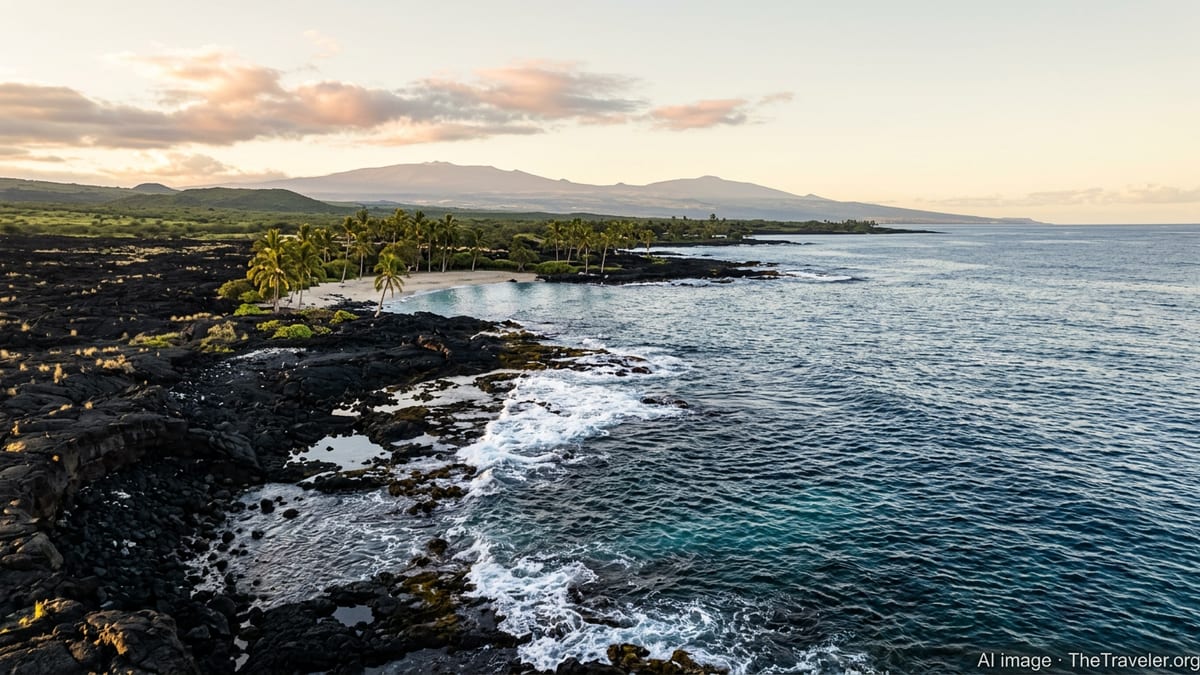
Hawaii Island’s vast size and varied microclimates make it particularly compelling for travelers who like road trips and outdoor exploration. On the west side, around Kailua Kona and the Kohala Coast, visitors find sunny weather much of the year, long stretches of lava rock shoreline punctuated by sandy coves, and a mix of resorts and low key towns. This side of the island is popular for snorkeling, diving, and tours to see manta rays at night.
The east side, centered on Hilo, is wetter and more tropical, with gardens, waterfalls and a strong local feel. From either side, many visitors make day trips or multi day visits to Hawaii Volcanoes National Park, where they can see expansive craters, steam vents, lava tubes and, at times, active lava within the caldera or on the flanks of Kilauea or Mauna Loa. Volcanic activity is naturally changeable, and periods of visible lava are interspersed with quieter phases, so current conditions should always be checked shortly before a visit.
Driving on the Big Island involves longer distances and changes in elevation, from sea level to over 13,000 feet near the summit of Mauna Kea. High altitude excursions can pose health considerations for some visitors, and local stewardship groups ask travelers to be mindful that the summit area has deep cultural significance to Native Hawaiians. Commercial stargazing tours based at mid level visitor centers or private observatories offer ways to experience the island’s famously dark skies without driving all the way to the highest elevations.
Like the rest of Hawaii, Hawaii Island is sensitive to the impacts of tourism on water resources, coral reefs and air quality, especially when vog, or volcanic smog, is present. Visitors are encouraged to heed air quality advisories, stay on designated trails in volcanic areas, and avoid disturbing new lava surfaces, which can be both fragile and sharp. Choosing reef friendly sunscreens, limiting single use plastics and patronizing eco conscious operators are tangible ways to lessen your footprint.
The Takeaway
Choosing between Oahu, Maui, Kauai and the Big Island is less about which island is best and more about which one matches your priorities and traveling style. Oahu offers the most urban energy and convenience, Maui blends resort comforts with a community in recovery that asks for thoughtful visitors, Kauai provides quiet and towering cliffs, and the Big Island delivers volcanic drama and wide open drives. All four share warm oceans, rich cultural traditions and communities that are increasingly vocal about how tourism should look in the years ahead.
Traveling to Hawaii in the mid 2020s also means accepting higher costs and more rules than in decades past. Taxes, reservation systems, access limits and wildfire or erosion related closures are part of a broader effort to make tourism more sustainable. With careful planning, these measures need not diminish your experience; in many cases they improve it by thinning crowds and protecting fragile places.
Most importantly, visitors who arrive informed, patient and willing to listen often find deeper connections than those who treat Hawaii as merely a backdrop for beach photos. Taking time to learn even a few Hawaiian words, understanding the history of the overthrow of the Hawaiian Kingdom, respecting wahi pana, or sacred places, and choosing tours that center local knowledge can shift a trip from simply enjoyable to genuinely meaningful.
As you design your itinerary, consider visiting fewer islands for longer stays, booking locally owned accommodations and guides where possible, and building in unstructured days to simply be present. Hawaii’s true gifts often appear in quiet moments: a conversation with a shop owner, a sunrise from a little known overlook, or the sound of wind in ironwood trees above a nearly empty beach.
FAQ
Q1. How many Hawaiian islands should I visit on my first trip?
Most first time visitors are happiest choosing one or two islands for a week to ten days, rather than trying to see all four main islands in a single trip.
Q2. Is it appropriate to visit Maui while Lahaina is still rebuilding?
Yes, officials and many residents continue to welcome respectful visitors, especially to areas outside the burn zone, as tourism supports jobs and recovery.
Q3. Do I need a rental car on every island?
On Maui, Kauai and the Big Island a rental car is strongly recommended, while on Oahu you can rely more on buses, walking and rideshares if you stay in Honolulu.
Q4. When is the cheapest time to travel to Hawaii?
Prices are often lower in spring and fall shoulder seasons, such as April, May, September and early November, outside major holidays and school breaks.
Q5. Is Hawaii safe for swimming and snorkeling year round?
Ocean conditions vary by season and location, and strong surf or currents can be hazardous, so always follow local warnings and lifeguard advice before entering the water.
Q6. Can I see lava flowing on the Big Island right now?
Volcanic activity changes frequently; some years offer visible lava and others do not, so check the latest park and volcano observatory updates before planning around it.
Q7. Do I need reservations for popular attractions?
Many high demand sites now use timed entry or reservation systems, so booking in advance for places like Haleakala sunrise or some coastal parks is wise.
Q8. How can I make my trip more respectful to local communities?
Stay in legal accommodations, support locally owned businesses, obey signs and closures, learn basic cultural etiquette and consider joining a short volunteer activity.
Q9. Is island hopping expensive and time consuming?
Interisland flights are short but security and transfers add hours, and fares can add up, so limit hops and give yourself several nights on each island you visit.
Q10. What type of sunscreen should I bring to Hawaii?
Choose reef friendly sunscreen without certain chemical filters, apply it carefully and pair it with sun protective clothing to help protect coral reefs and marine life.