


More news on this day
Passengers travelling through London Heathrow on June 17 faced a new wave of disruption as a cluster of long-haul and European services operated by British Airways, Virgin Atlantic, KLM, Air Canada and other carriers were cancelled or heavily delayed, affecting journeys to Miami, Amsterdam, Orlando, Barcelona, New York, Boston and Vancouver.
Get the latest news straight to your inbox!
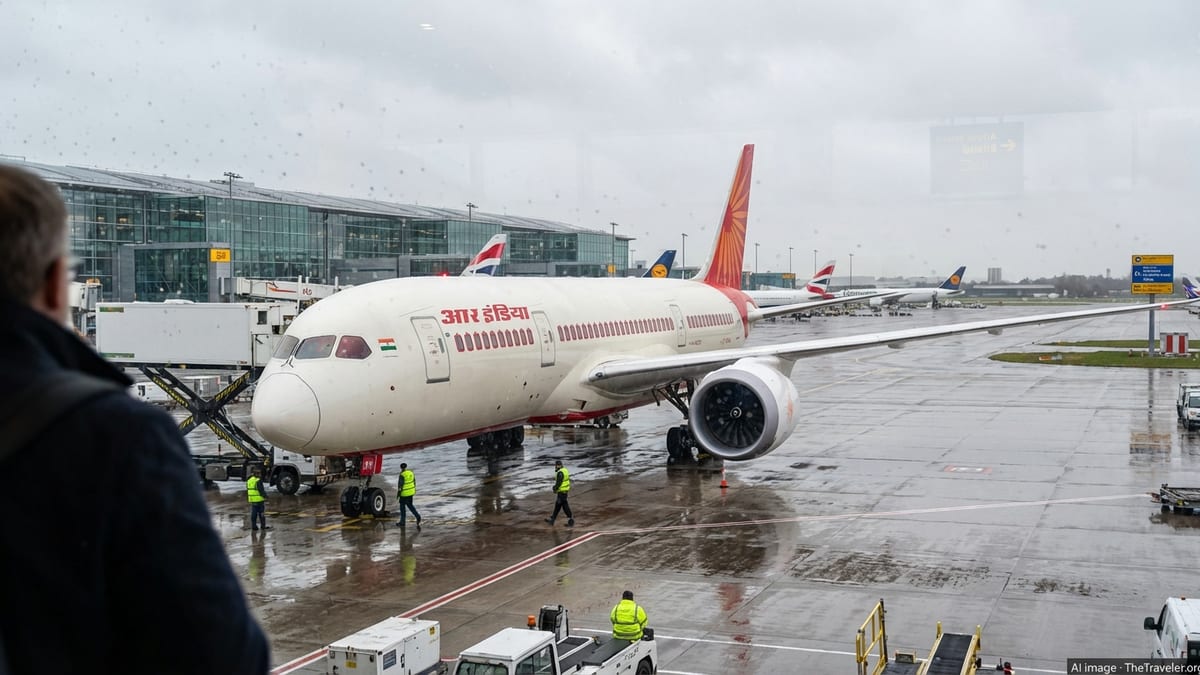
Cluster of cancellations and delays at Europe’s busiest hub
Operational data from Heathrow on June 17 indicates that a relatively small number of outright cancellations combined with a larger pool of delayed departures created a difficult travel day for many passengers. In total, six flights linked to major partners on North Atlantic and European routes were cancelled, while at least 24 others registered significant delays beyond their scheduled departure or arrival times.
The disruption comes during the busy early-summer peak, when carriers typically run tight schedules on popular leisure and business routes. Even a limited number of cancellations can place extra pressure on remaining services as airlines attempt to reaccommodate affected passengers, contributing to longer queues at rebooking desks and call centres.
Publicly available timetables show that British Airways and Virgin Atlantic bore the brunt of the long-haul disruption, alongside selected services involving KLM and Air Canada. The issues were spread across multiple terminals, highlighting how quickly irregular operations can ripple through a large hub such as Heathrow.
While not on the scale of previous mass disruption events seen at the airport earlier in the year, the latest difficulties added further strain to an already challenging summer for airlines operating in and out of London.
Transatlantic routes to Miami, New York and Boston heavily affected
Among the most affected passengers were those booked on transatlantic services linking Heathrow to key US gateways. Flights on routes to Miami, New York and Boston experienced a mix of cancellations and multi-hour delays, according to live schedule trackers and airport departure boards.
Services between Heathrow and Miami, operated under joint ventures involving British Airways, Virgin Atlantic and partner carriers, were particularly exposed. Reports indicate that at least one scheduled departure on the corridor did not operate, while others left significantly behind schedule, forcing some travellers into missed connections or overnight stays.
New York and Boston, two of Heathrow’s busiest North American destinations, also saw disruption. Data compiled from real-time tracking platforms points to delayed departures and late arrivals on multiple services, including flights that form part of transatlantic joint ventures. Passengers travelling onward to other US cities were especially vulnerable, as missed onward connections can result in rebookings that stretch into the following day when flights are already close to full.
Travel commentary circulating on aviation and passenger-rights sites notes that the transatlantic network is tightly interconnected, meaning a delay on one leg can quickly affect aircraft rotations and crew availability on subsequent flights. This can result in knock-on disruption across several airports, including US gateways receiving late-arriving aircraft from Heathrow.
European and leisure routes via Amsterdam, Orlando and Barcelona disrupted
The impact was not limited to North American business hubs. Leisure-heavy routes to Orlando and Barcelona, along with connecting services via Amsterdam, also featured in the list of affected flights. Tracking data and schedule snapshots show at least one KLM-operated service involving Heathrow and Amsterdam encountering disruption, complicating onward journeys for passengers bound for Miami and other long-haul destinations.
Orlando, a key family and holiday route that is jointly served by British Airways, Virgin Atlantic and partner carriers, saw delays that spilled into the wider network. Passengers connecting in Heathrow from European origins reported longer-than-expected layovers as departure times slid back, while some itineraries were re-routed through alternative hubs to keep overall delays within manageable limits.
On the short- and medium-haul side, Barcelona services were hit by timing changes and rolling delays. Because these flights often carry both point-to-point holidaymakers and transfer passengers heading to long-haul departures, even moderate disruption can lead to missed connections and the need for last-minute overnight accommodation near the airport.
Observers of recent operations at Heathrow note that high load factors on popular summer routes leave airlines with limited spare capacity on the same day, making it harder to absorb passengers from cancelled flights without shifting them onto departures one or more days later.
Vancouver and wider Canadian network feel knock-on effects
The disruption also extended to services connecting Heathrow with Canada, notably Vancouver. Air Canada and partner airlines operate a mix of non-stop and connecting itineraries on this corridor, and publicly available schedules show that at least one rotation to or from Vancouver faced delay or cancellation as operators adjusted aircraft and crew planning.
Because transatlantic flights to western Canada involve longer sectors and tight aircraft utilisation, irregular operations can cascade quickly. A delayed arrival into Heathrow can make it difficult for the same aircraft to meet turnaround windows for its next departure, sometimes leading to further schedule changes later in the day.
Passengers travelling from Vancouver via Heathrow to onward European destinations reported changes to their itineraries, including rebookings on alternative hubs in continental Europe. Travel-rights platforms point out that such re-routing is a typical response when a hub experiences short-term capacity constraints or localised disruption, even if the originating airport is operating normally.
Industry analysis of recent seasons suggests that hubs such as Heathrow are particularly exposed during the early summer period, when airlines push utilisation levels higher following the quieter spring months, leaving less room in the timetable to recover from operational shocks.
What passengers can expect and how airlines are responding
According to publicly accessible guidance from airlines and passenger-rights organisations, travellers affected by cancellations and long delays at Heathrow on June 17 are being offered a combination of rebooking options, refunds in certain cases, and assistance with meals and accommodation where required by regulation. The precise level of support depends on the operating carrier, route and cause of disruption.
For flights departing from the United Kingdom or operated by UK and European Union carriers, consumer-rights resources highlight that passengers may be covered by UK261 or EU261 rules if delays and cancellations fall within the airline’s control. When issues stem from factors such as air-traffic restrictions or severe weather, compensation rules differ, although carriers are still expected to provide basic care such as refreshments and hotel stays during long waits.
Travel advisers recommend that passengers keep boarding passes, booking confirmations and receipts for any additional expenses incurred while stranded, as these may be required when submitting claims through airline channels or dispute-resolution schemes. They also suggest monitoring airline apps and departure boards frequently, as gate changes and revised departure times can be issued at short notice during periods of disruption.
With peak summer traffic building, experts following Heathrow’s performance caution that further isolated days of disruption remain possible across the season. They note that travellers with tight connections, especially on routes linking Heathrow with North American and European hubs, may want to consider slightly longer layover times and flexible itineraries to reduce the impact of any future schedule changes.