


More news on this day
Thick fog settled over large parts of the United Kingdom on Monday 9 November 2026, prompting widespread travel warnings, slower road and rail journeys, and growing reports of flight delays across key airports.
Get the latest news straight to your inbox!
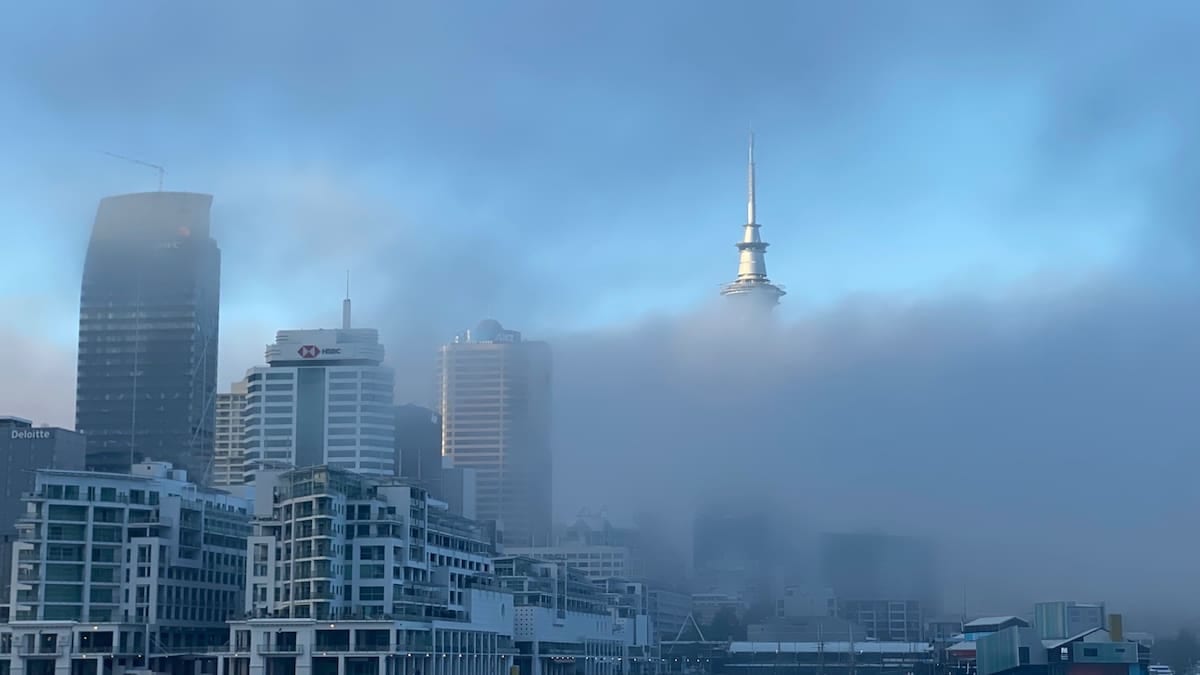
Yellow Fog Warnings Cover Large Swathes of the UK
The UK Met Office issued multiple yellow weather warnings for fog from the evening of Monday 9 November into the morning of Tuesday 10 November 2026, highlighting a risk of difficult travel conditions and delays to transport. Publicly available forecast information describes areas of thick, persistent fog reducing visibility in places to 50 metres or less and lingering into the morning peak.
The warning area stretches from parts of Wales across central and eastern England into the South East, overlapping earlier alerts that covered much of England south of Manchester, along with eastern Wales and parts of Northern Ireland. Regional forecast summaries indicate that the most persistent fog is expected in river valleys and low-lying inland areas, where light winds allow moisture-laden air to stagnate.
Under the yellow category, the Met Office signals a likelihood of some disruption rather than severe impacts. Guidance associated with the warning notes the potential for slower journey times, patchy road closures, delays to bus and rail services and a chance of delays or cancellations to flights, particularly at busy airports handling early morning waves of departures.
Travel-focused weather services that aggregate official warning data show the main alert window running from 18:00 on Monday 9 November to 10:00 on Tuesday 10 November, coinciding with the evening commute, overnight freight traffic and the first bank of departures from many UK airports.
Flight Delays Build as Visibility Drops at Major Airports
Air travel has been among the first sectors to feel the impact of the fog. According to live airport status boards and airline operation updates reviewed on Monday afternoon, passengers at London Heathrow, London City and a number of regional airports in England reported knock-on delays as low visibility procedures were introduced.
Industry guidance explains that when runway visibility falls below specific thresholds, air traffic control reduces the rate of take offs and landings to maintain safe separation between aircraft, and some airports move to low-visibility operating modes. This often results in extended gaps between arrivals, longer taxi times and a growing queue of aircraft waiting for departure slots during the busy morning and evening peaks.
Published coverage from UK broadcasters notes that dense fog is affecting routes across south and eastern England in particular, with aviation forecasts flagging the risk of visibility near or below 200 metres at times. That level can be enough to trigger additional spacing on approach and departure and, in some cases, diversions from airports where conditions deteriorate suddenly.
Some airlines advise customers through their online travel alerts to arrive at the airport as normal but to check flight status frequently on official channels and to be prepared for re-timings during the day. In previous UK fog events, carriers have tended to prioritise long-haul departures while making schedule adjustments to short-haul and domestic services to keep airport traffic within the reduced handling capacity.
Road and Rail Networks Warn of Slower Journeys
On the ground, the combination of very low visibility and damp road conditions has led to cautious driving conditions on major routes across England and Wales. National travel information services report slower than usual speeds on sections of the M1, M4 and M25 as drivers reduce speed in dense patches of fog and in areas where visibility changes abruptly over short distances.
Highway advisories circulating on Monday morning encourage motorists to allow additional time, use dipped headlights and increase following distances. Traffic cameras from several motorway corridors show headlights cutting through a thick, low cloud of fog, particularly before sunrise. Some local authorities have also highlighted that rural roads and routes near rivers and wetlands are prone to lingering fog even after conditions begin to improve on higher ground.
Rail operators are also alerting passengers to potential knock-on disruption. While trains can operate in fog, public information from UK rail networks notes that low visibility can require slower running in areas with trackside obstructions, temporary speed restrictions or engineering works. At busy junctions and station approaches, any reduction in line speed or timetable margins can translate into minor delays across morning and evening peaks.
Real-time journey planners on Monday have warned of possible short-notice changes to services in affected regions, advising passengers to recheck departure boards close to travel time. Some operators are accepting tickets on earlier or later services to give customers flexibility if fog-related conditions cause delays.
What Travelers Should Expect Over the Next 24 Hours
Forecast discussion issued alongside the Met Office warnings indicates that the fog is likely to redevelop or thicken again after sunset on Monday where skies remain clear and winds light, particularly across central, eastern and southeastern England. In these areas, the warning period through to mid-morning on Tuesday 10 November remains in force, before a gradual improvement as temperatures rise and light breezes increase.
For air passengers, this pattern typically means that the late evening arrival and early morning departure banks are most exposed to disruption. Even if conditions improve relatively quickly after sunrise, aircraft and crew may be out of position as a result of earlier delays, leading to residual disruption into the late morning. Published airport guidance for fog events emphasises the importance of using official airline apps or websites, which provide the most up to date departure and arrival times.
Those planning rail journeys on Tuesday morning across the warning area may also encounter some residual delays where trains are operating at reduced speeds or where earlier disruption is still working through busy sections of the network. Advance ticket holders are being directed via public information channels to check whether their chosen services are running normally and whether ticket easements are in place on alternative trains.
Road users are likely to face variable conditions, with some corridors clearing quickly and others remaining affected, especially in valleys and low-lying areas. Travel advice services suggest building in extra journey time and being prepared for sudden changes in visibility along a route, rather than assuming that a short improvement means the fog has fully lifted.
Practical Tips for UK Travelers Caught in the Fog
For those already on the move, publicly available safety guidance for foggy conditions stresses simple steps to reduce risk. Motorists are advised to switch to dipped headlights, avoid using full beam, use rear fog lights when visibility is seriously reduced and turn them off again once conditions improve. Drivers are also encouraged to maintain larger gaps to the vehicle in front and to avoid sudden braking in dense patches of fog.
Air passengers facing delays are generally advised by consumer travel organisations to keep boarding passes, receipts and any airline notifications, as documentation may be required later for compensation or reimbursement claims depending on the circumstances. However, many fog-related delays and cancellations are categorised as weather events outside airline control, limiting the scope for statutory compensation while preserving entitlements to rebooking or refunds under applicable regulations.
For rail travelers, operator guidance recommends checking live departure information before leaving home, particularly for early morning trains in affected regions. Where disruption is significant, some companies may relax peak-time restrictions on off-peak tickets, and these easements are usually communicated through service updates and social channels.
With yellow fog warnings remaining in force into Tuesday morning, the overall message from publicly accessible travel and weather information is that journeys are still possible but may take longer than usual. By monitoring official updates and allowing extra time, travelers across the UK can better navigate the disruption caused by this latest spell of dense autumn fog.