


More news on this day
Dense fog lingering across large parts of England and Wales has prompted an extended weather warning, with reports indicating significant disruption to Monday travel on roads, railways and at key UK airports.
Get the latest news straight to your inbox!
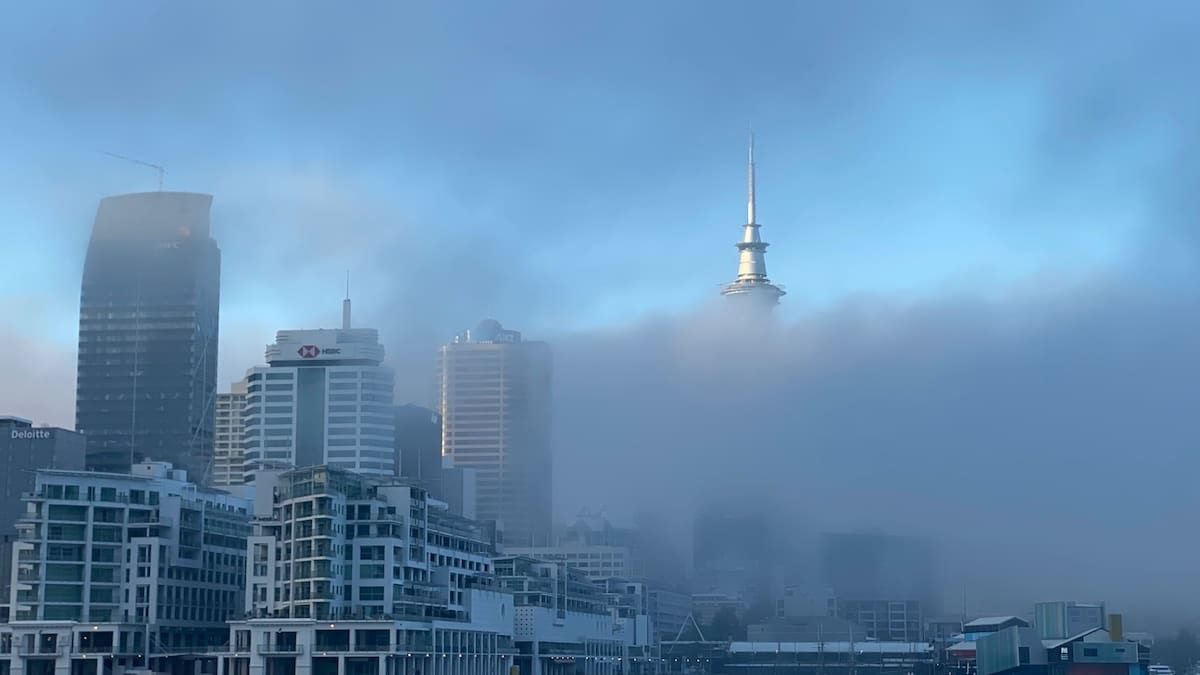
Yellow Fog Warning Stretches Into Tuesday Morning
Publicly available information from the Met Office shows a yellow fog warning now in force from 6 p.m. on Monday 9 November until 10 a.m. on Tuesday 10 November, covering much of central, southern and eastern England as well as parts of Wales. The alert follows a first spell of thick fog over the weekend and on Monday morning, when visibility in some locations dropped below 50 metres.
The latest guidance notes that fog will redevelop through Monday evening and overnight, becoming dense at times, with visibility potentially falling under 100 metres widely and lower in the thickest patches. The warning highlights the risk of slower journey times and disruption across multiple transport modes as the week begins.
Coverage in UK media indicates that the area affected stretches broadly from York to Bath and from Canterbury westwards towards parts of south Wales, taking in London, Birmingham and sections of the Midlands transport corridor. Conditions outside the warning zone are also expected to remain murky, with forecasters signalling the possibility of patchy fog that may still impact local travel.
Reports also point out that the fog is being followed by a change in weather later in the week, with wind and rain forecast to move in once the stagnant high-pressure pattern begins to break down. For now, however, the dominant concern for many travellers remains severely reduced visibility during the morning and evening peaks.
Road Networks Face Hazardous Driving Conditions
According to published coverage from national broadcasters, the dense mist has already contributed to hazardous driving conditions on major routes in England. Media reports over the weekend cited multi-vehicle collisions on key arteries in the southeast, including an incident involving around 30 vehicles on a major road in Kent, underlining how quickly visibility can deteriorate when fog thickens.
Met Office guidance referenced in news reports urges motorists to allow extra time for journeys, check that fog lights are functioning and be prepared for sudden changes in visibility, particularly on higher ground, river valleys and stretches of motorway prone to mist. Drivers are advised to reduce speed, avoid relying solely on satnav instructions and watch for late-appearing brake lights as traffic compresses in pockets of dense fog.
Travel information services describe variable conditions on Monday, with some stretches of motorway and trunk roads experiencing long but moving queues, while nearby routes remain relatively clear. In places where visibility dropped below 50 metres, police and highway operators have warned of an increased risk of rear-end shunts and advised against unnecessary travel during the worst of the conditions.
Local authorities and motoring organisations are also highlighting the importance of correct light use, as reports indicate some drivers continuing without dipped headlights, making vehicles harder to see in the mist. With fog expected to reform overnight, those planning early Tuesday departures are being encouraged to review live traffic feeds before setting off.
Flights and Rail Services Experience Delays
Air travel has been notably affected, with coverage from outlets including The Guardian and other national media pointing to delays and some cancellations at London Heathrow during the Monday morning peak. Poor visibility has required greater spacing between landings and departures, reducing capacity on already busy schedules.
Further disruption has been reported at other airports in the warning area as the fog has thickened and thinned through the day. Published updates from travel news services suggest that passengers flying from hubs such as Gatwick, Birmingham, Bristol and Cardiff should expect potential delays, last-minute gate changes and aircraft being held on the ground while visibility improves to required operating minima.
Rail passengers have also faced knock-on disruption. According to coverage summarising operator updates, several train companies in England reported reduced speeds or minor delays where signalling and trackside visibility were affected, particularly on busy commuter routes into London and across the Midlands. While heavy fog does not usually shut down mainline rail in the UK, it can slow operations where drivers need more caution approaching signals and station platforms.
Passenger advice circulating on Monday afternoon emphasises the importance of checking the latest departure information before leaving home, as well as allowing additional interchange time when connecting between local and long-distance services. With the yellow warning extending into Tuesday, early-morning commuters may see further residual delays even where services remain broadly operational.
Commuters Urged to Build Extra Time Into Journeys
National and regional broadcasters are stressing that the combination of thick fog and the Monday evening rush hour presents a particular challenge for commuters. Many routes that were already congested during the morning peak have continued to experience slower travel times as the day has gone on, with visibility varying sharply from one locality to the next.
Guidance shared across travel bulletins recommends that those who can adjust their plans consider travelling outside the busiest periods, working remotely where possible or rescheduling non-essential trips until after the warning expires. For those who must travel, journey planners are advising additional buffer time for every stage of a multimodal trip, from local buses to mainline trains and airport transfers.
Publicly available information from the Met Office’s National Severe Weather Warning Service describes yellow alerts as indicating a risk of transport disruption and changes to normal routines, even where conditions may not be extreme everywhere within the warning boundary. Travel planners note that this broad approach to warnings is designed to encourage caution, particularly for vulnerable road users and those travelling long distances through multiple fog-prone areas.
As visibility is expected to remain highly variable, with clear patches quickly giving way to dense banks of fog, forecasters and transport operators alike are urging travellers to monitor conditions throughout their journey rather than assuming that a clear start will mean an easy trip end to end.
What Travelers Should Watch Over the Next 24 Hours
Looking ahead to Monday night and Tuesday morning, published forecasts suggest that the highest risk period for dense fog will be from late evening through dawn, when cooling under light winds allows moisture near the surface to condense rapidly. Valleys, low-lying routes and areas near rivers are expected to be particularly susceptible to very poor visibility.
Travel news services are advising early-morning flyers to check in advance whether airlines have adjusted schedules or brought in revised check-in times to accommodate potential holding patterns and de-icing requirements once temperatures fall. Some carriers have indicated through public updates that they may consolidate lightly loaded services or re-time departures if conditions remain marginal overnight.
On the railways, operators are expected to continue monitoring visibility along key commuter corridors into London, Birmingham and other major cities. While widespread cancellations are not currently indicated in public information, further pockets of delay are likely if fog intensifies at critical junctions or around major termini.
Road users are being reminded that even once the official fog warning comes to an end, residual patches of mist and damp road surfaces can persist for several hours, particularly in shaded areas. With a shift to windier, wetter weather signalled later in the week, the immediate priority for many travellers across the affected parts of the UK will be navigating one more period of dense fog as safely and efficiently as possible.