


More news on this day
Relentless monsoon rain in Delhi and Mumbai on Tuesday disrupted air travel and choked key road corridors, as airlines warned passengers to brace for delays, diversions and gridlocked traffic on routes to the country’s busiest airports.
Get the latest news straight to your inbox!
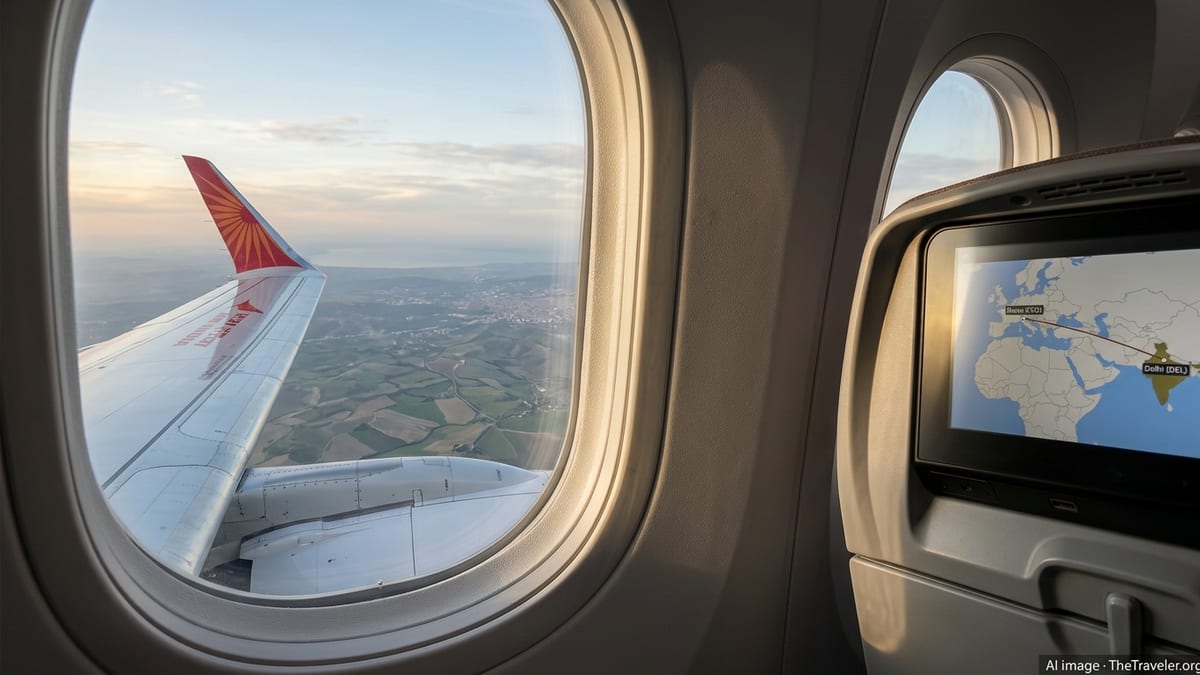
Monsoon Showers Hit Flight Schedules in Both Capitals
Publicly available reports from aviation trackers and local media indicate that heavy showers and low visibility have affected operations at both Delhi’s Indira Gandhi International Airport and Mumbai’s Chhatrapati Shivaji Maharaj International Airport since the weekend, with disruption continuing into July 7. Arrivals and departures on several carriers are running behind schedule as aircraft are forced into holding patterns or diverted to alternative airports.
In Mumbai, a series of intense downpours over the past three days has led to diversions and cancellations across domestic and international networks, with some services routed to Hyderabad, Ahmedabad and other cities. In Delhi, strong winds and sharp bursts of rain have prompted diversions of inbound flights to Jaipur and Lucknow, according to national news coverage.
Airlines have responded by publishing travel advisories that urge passengers to check real time departure and arrival information before leaving home. Publicly available statements show carriers highlighting that weather related delays are beyond their control and that schedules may change at short notice as conditions evolve.
Aviation data cited in recent coverage of the disruption suggests that average delays out of Mumbai at times stretched close to or beyond an hour during the most intense spells, reinforcing the impact of the monsoon surge on one of Asia’s busiest hubs.
Airlines Issue Advisories as Diversions and Cancellations Mount
According to coverage in national business and travel outlets, major Indian carriers have issued city specific alerts for Mumbai and Delhi, advising customers that adverse weather may impact operations over the coming days. Low cost and full service airlines alike are encouraging passengers to use mobile apps and official booking channels to reconfirm flight status before heading to the airport.
Reports indicate that in Mumbai, multiple flights on carriers such as IndiGo and Akasa Air were either cancelled or rerouted on July 6 as very heavy rain and gusty winds swept across the city. Diverted services included domestic routes such as Raipur and Delhi, along with at least one international sector, reflecting broader disruption across the network.
From Delhi, media summaries point to at least a dozen flights being diverted overnight as a band of intense rain and strong winds passed over the capital. Aircraft bound for the city were redirected to Jaipur, Lucknow and other nearby airports until conditions stabilised sufficiently for safe landing.
Travel advisories reviewed on airline and news portals emphasize that additional assistance teams have been activated at airports and contact centres, but also caution that rebooking options may depend on seat availability during what is already a busy monsoon travel period.
Traffic Snarls and Waterlogging Slow Access to Airports
The impact of the rain has not been limited to the skies. Urban transport updates from Delhi and Mumbai describe waterlogging and congestion on several arterial routes, complicating road access to both airports and key railway stations. In many neighbourhoods of Mumbai, low lying stretches and underpasses have reported standing water, slowing movements of private vehicles, cabs and airport buses.
In Delhi and the wider National Capital Region, intermittent downpours have led to slow moving traffic on major ring roads and expressways that feed into the airport corridor. Commuters have reported long queues and extended travel times during peak hours as vehicles navigate slick surfaces and localized flooding.
Travel focused coverage notes that passengers heading to the airport should build in significant extra time, particularly during periods of heavy rainfall or when official forecasts call for intense showers in the afternoon and evening. Public information from weather agencies suggests that further rain bands are likely to pass over both metropolitan regions in the short term, increasing the chance of renewed congestion.
Urban planners and transport commentators have again drawn attention to the vulnerability of key road links during high intensity monsoon spells, with recurring scenes of stalled vehicles and bottlenecks around critical junctions that connect residential districts to the airport perimeters.
Weather Office Signals More Showers, Alerts Remain in Place
Forecasts from the India Meteorological Department, as reported across national and local outlets, show the monsoon remaining active over the Konkan coast and northwestern plains, including Maharashtra and Delhi, through at least the middle of the week. For Mumbai, a red alert has been in place over parts of the wider region, warning of very heavy to extremely heavy rainfall in short intervals.
For Delhi and surrounding areas, the weather office has signaled periods of light to moderate rain with isolated heavy spells, along with thunderstorms, lightning and gusty winds. A yellow level alert has been in effect on some recent days, with guidance that rain and storm activity could continue into the second half of the week.
Meteorologists quoted in these forecasts link the current pattern to a strengthening monsoon trough and active offshore vortex along the western coast, which together are drawing moisture laden winds over Mumbai while also pushing rainbearing systems toward the capital region. This configuration often results in staggered but intense episodes of rain that can strain urban drainage and transport networks.
Travel features in Indian media underline that while the showers have helped break hot and humid conditions in Delhi and other northern cities, the same systems are contributing to rain related disruption across aviation, road and rail networks, particularly in coastal Maharashtra.
What Travellers Flying Through Delhi and Mumbai Should Expect
For passengers transiting Delhi or Mumbai in the coming days, publicly available advisories suggest preparing for a less predictable travel experience than usual. Airlines are recommending early check in where possible, digital boarding passes, and close monitoring of notifications for any last minute gate or schedule changes.
Travel writers tracking the situation advise allowing a considerably larger buffer for airport transfers, especially during morning and evening peaks when both commuter traffic and flight movements are heaviest. In Mumbai, choosing routes that avoid known waterlogging hotspots and keeping flexible transport options can help mitigate the risk of missing a flight due to gridlock.
Passengers with tight connections or onward international journeys may wish to speak with their airline in advance about contingency options in the event of significant delay. Media coverage of recent disruptions shows that when severe weather persists, some carriers have offered complimentary date changes on affected sectors, subject to capacity.
For now, forecasts and on the ground reports point to an active monsoon phase still unfolding over both cities. Travellers planning to pass through Delhi and Mumbai this week are being advised, through a wide range of public channels, to stay informed, budget extra time, and be prepared for evolving conditions in the air and on the roads.