


More news on this day
As peak holiday travel approaches, fresh analyses of airline performance point to a familiar headache for vacationers: some of the world’s most popular sun and city break hubs are also among the likeliest places to encounter long flight delays and disruptions.
Get the latest news straight to your inbox!
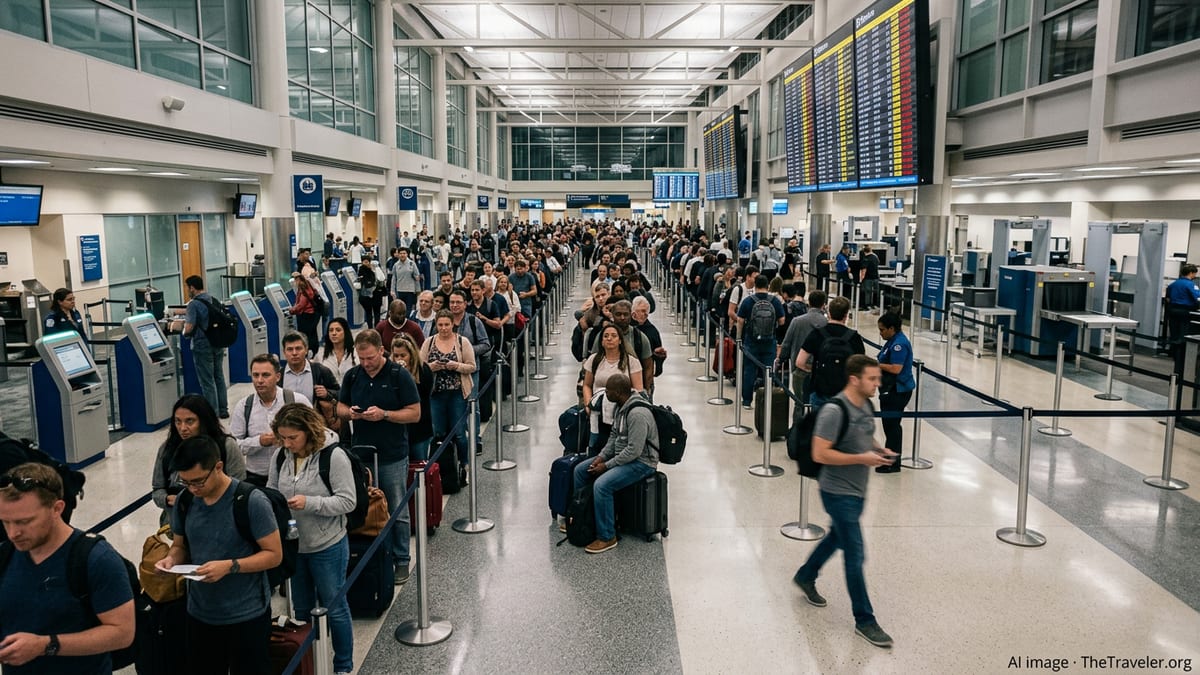
Data reveals where delays are hitting holidaymakers hardest
Recent studies of airport punctuality show that some of the busiest leisure gateways are consistently among the worst performers for on time departures. In the United States, research based on several years of summer data highlights Orlando, Miami and Fort Lauderdale as major congestion points, reflecting their popularity for theme park breaks, Caribbean connections and beach holidays. High traffic volumes and frequent thunderstorms translate into a larger share of late departures compared with many other U.S. hubs.
Elsewhere in the U.S., Chicago O’Hare and Newark Liberty airports have recorded some of the highest levels of disruptions when both delays and cancellations are counted together. Published analyses for 2025 indicate that roughly three in ten flights at these airports have been affected, with summer months showing the worst performance as storms sweep across the Midwest and Northeast during peak travel season.
Across the Atlantic, European vacation gateways are also under pressure. Consumer claims data for 2025 highlights London Heathrow, Paris Orly and busy Mediterranean hubs such as Rome and Milan among the airports generating a large share of compensation cases for delayed and cancelled flights. Popular leisure routes to Dublin, Amsterdam and Spanish coastal cities see particularly frequent schedule changes during the main holiday months.
Specialist reports tracking disruption patterns for American travelers heading to Europe point to Greece, Italy and Portugal as standout hotspots for delays and last minute timetable shifts in 2025. Growing demand from North America, combined with slot constraints at major hubs and air traffic control bottlenecks, has pushed some southern European airports close to capacity on peak days.
Why holiday flight delays are getting worse
Several overlapping trends are making delays more likely at classic holiday hotspots. Airlines and airports have added capacity aggressively since the pandemic, but infrastructure, staffing and air traffic management systems have not always kept pace with surging demand. At some hubs, passenger numbers have set new records in 2024 and 2025 even as ground handling and air traffic control teams continue to work through staffing gaps.
Weather compounds the problem. In the United States, summer thunderstorms along key air corridors routinely trigger ground stops and reroutes, especially at airports in Florida and the central and eastern states. In Europe, a mix of convective storms, heatwaves and occasional industrial action in the air traffic system has contributed to chronic delays, particularly on Fridays and Sundays when leisure demand peaks.
Knock on effects are another driver. Analyses of delay causes show that a significant share of late departures at crowded hubs stems from aircraft arriving late from earlier flights. When airports like Chicago, Newark, Heathrow or Rome are operating near capacity, even short disruptions early in the day can cascade into system wide delays by afternoon, affecting travelers headed to and from resort areas far beyond the original problem airport.
Seasonality also plays a role. July and August in the northern hemisphere now concentrate an enormous volume of discretionary travel into a few intense weeks. That creates narrow windows for recovery when things go wrong, leaving airlines fewer spare aircraft and crews to restore schedules before the next wave of departures.
Planning your route to reduce disruption risk
Travelers cannot control airport performance, but they can make route choices that meaningfully reduce the chance of a ruined holiday. One of the most effective strategies is to favor hubs with stronger recent on time records when selecting connections, even if it means a slightly longer journey. Airports in the western United States and in parts of northern Europe, for example, have generally posted better punctuality in recent rankings than the most congested East Coast and southern European gateways.
Nonstop flights are usually less vulnerable to cascading problems than itineraries with tight connections. When a layover is unavoidable, building in a generous buffer at known delay hotspots can prevent a missed onward flight from turning into an unexpected overnight stay. Morning departures are also statistically less prone to severe delays than late afternoon and evening services, which inherit the day’s accumulated disruptions.
Travelers who must pass through airports with weaker punctuality records can still tilt the odds in their favor by checking historical on time performance for specific routes and carriers, and by being flexible with departure days. Midweek flights often face slightly less congestion than weekend departures, especially on leisure heavy routes to theme park regions, coastal resorts and island destinations.
Finally, choosing airlines that have preserved more slack in their schedules and maintain larger pools of standby crews can pay off when weather or airspace issues arise. While no carrier is immune to disruption, performance tables consistently show differences between airlines in how quickly they recover after major system shocks.
What to do when your flight is delayed
Once a delay hits, the priority is to preserve options. As soon as a departure time begins to slip, travelers can check their airline’s mobile app for rebooking tools and alternative routings. Many carriers now allow self service switching to later flights, sometimes even on different days, without extra fees during significant disruptions. Acting quickly is crucial, because the most desirable replacement seats tend to be snapped up early.
At the airport, passengers may gain leverage by identifying other same day departures on partner airlines or nearby airports and presenting those options when requesting assistance. Even if staff are busy, having specific alternatives ready can speed up rebooking. For international trips, keeping digital copies of passports and any necessary visas on hand helps in case reissued itineraries involve new transit points.
Comfort during a long delay should not be overlooked. Access to airport lounges, whether via a day pass or a credit card benefit, can turn hours at a crowded holiday hub into something more manageable, offering quiet space, food and more reliable information screens. For families traveling with children to theme parks or beach resorts, packing snacks, spare clothes and simple entertainment can make an extended wait less stressful.
If a delay stretches into an overnight disruption, documentation becomes important. Keeping boarding passes, notification screens and any written communication from the airline can help when claiming compensation or reimbursement later, particularly on flights covered by European or U.K. passenger rights rules that set out defined entitlements for long delays and cancellations.
Protecting your money when schedules unravel
Financial protection is an increasingly important part of planning travel through delay prone holiday hotspots. Comprehensive travel insurance policies often include trip delay, missed connection and trip interruption coverage that can reimburse extra hotel nights, meals and replacement transport when problems stem from covered causes such as severe weather or mechanical issues. Reading policy conditions carefully before purchase is essential, as coverage levels and exclusions vary widely.
Flexible booking options also reduce risk. Refundable or changeable airfares and hotel rates typically cost more upfront but can save substantial sums if travelers need to adjust dates due to a major disruption. Many airlines now offer fare categories that sit between fully flexible and nonrefundable tickets, allowing limited free changes that can be useful during volatile travel periods.
Payment method matters too. Using credit cards that include built in travel protections can add another safety net, providing secondary coverage for delays, lost baggage or missed connections. Some cards require travelers to pay taxes and fees on award tickets with the covered card to unlock benefits, so checking the fine print before booking is advisable.
For those heading to consistently delay prone destinations, budgeting extra time and money into the overall trip plan can reduce frustration. That may mean arriving a day early for cruises, destination weddings, major sporting events or theme park packages, and setting aside funds in case of unplanned hotel nights en route. By combining realistic expectations with practical safeguards, travelers can still enjoy their holidays, even when departure boards tell a more complicated story.