

Moose Jaw, a compact prairie city in southern Saskatchewan, does not have the sticker shock of Canada’s largest urban centers, but it is not a rock-bottom bargain either. For most visitors, costs fall into a comfortable middle range: hotels are generally affordable, restaurant prices are moderate by Canadian standards, and signature attractions and spa experiences add occasional splurges rather than constant drain. Understanding where the money goes is the key to planning a realistic Moose Jaw budget and deciding whether this small city fits your style and wallet.
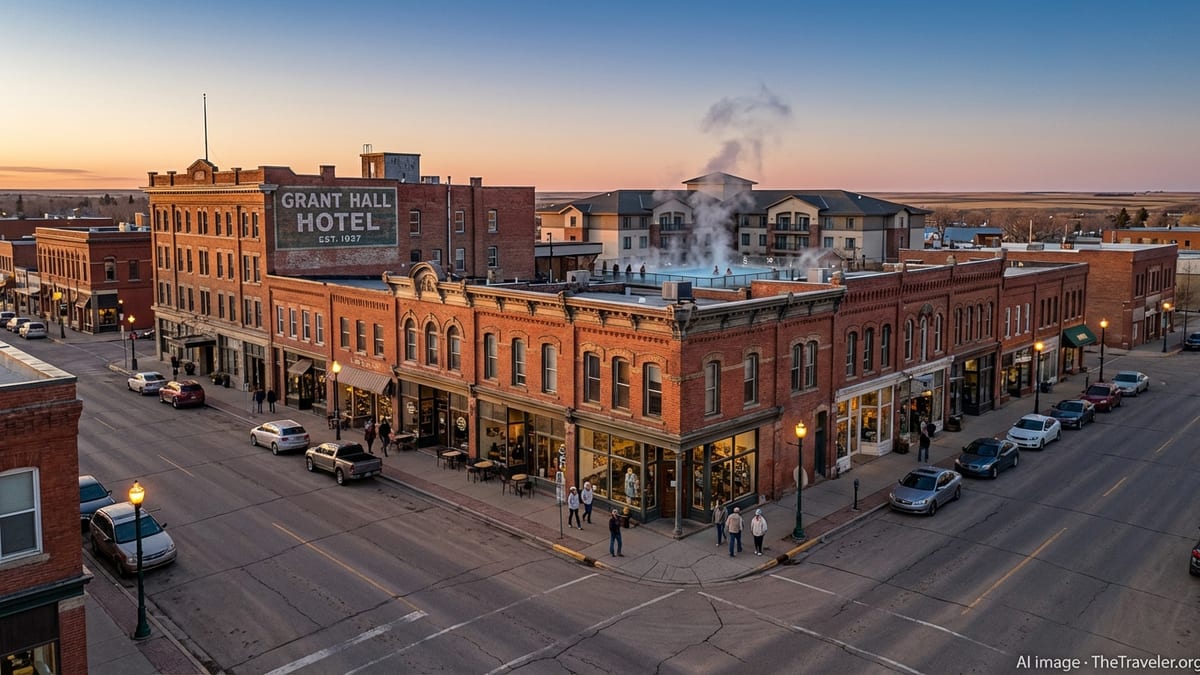
What Kind of Budget Do You Need for Moose Jaw?
Moose Jaw’s overall cost profile is noticeably lower than major Canadian cities such as Toronto or Vancouver, and a bit under Regina or Saskatoon, but it is not “dirt cheap.” Recent cost-of-living aggregators suggest that a single local resident spends roughly the equivalent of 1,400 to 1,500 US dollars per month including rent, with food and transport on the modest side compared with national averages. For travelers, that translates into a destination where mid-range comforts are within reach and budget-friendly choices are widely available.
For a short visit, a typical mid-range traveler can expect to spend in the neighborhood of 140 to 220 US dollars per day, depending on hotel class, how often you dine out, and whether you book paid tours or spa treatments. That ballpark daily figure assumes a standard hotel, two restaurant meals, one self-catered meal or snack, and one paid activity such as a guided attraction or mineral pool access.
Backpackers and very frugal travelers who are willing to choose the cheapest hotel rooms, rely heavily on grocery-store meals, and limit paid attractions can often keep daily costs closer to 90 to 130 US dollars. At the other end of the spectrum, travelers who stay in spa or heritage hotels, eat most meals in sit-down restaurants, and schedule multiple spa treatments or tours can see daily spending exceed 250 US dollars without feeling extravagant by big-city standards.
It is helpful to remember that these are approximate ranges rather than fixed rules. Prices can vary by season, by how far in advance you book, and by currency shifts between Canadian and US dollars. Still, these broad estimates offer a workable starting point for shaping a Moose Jaw travel budget.
Accommodation Costs: From Budget Chains to Spa Hotels
Accommodation will usually be your single largest expense in Moose Jaw, but the city’s small size and competitive hotel market keep nightly rates relatively reasonable. Recent analyses of hotel bookings in Moose Jaw suggest that the average nightly rate across a range of properties sits around 95 to 110 US dollars, with budget rooms often dipping lower and top-end spa or boutique stays reaching higher. For many travelers, three nights in a comfortable mid-range hotel will land in the 280 to 350 US dollar range before taxes.
Budget-conscious visitors who prioritize price over amenities can typically find basic hotel or motel rooms starting in the equivalent of roughly 70 to 80 US dollars per night if they book ahead or visit outside peak events. These properties are often affiliated with familiar roadside chains or independent motels, offering simple rooms, Wi-Fi, and often a basic continental breakfast. They may sit slightly outside the compact downtown core, so factor in a short drive or taxi fare if you plan to explore on foot.
Mid-range hotels form the bulk of Moose Jaw’s inventory. In this bracket, expect nightly rates around 90 to 120 US dollars, depending on room type, demand, and whether breakfast is included. Many of these properties offer indoor pools, fitness rooms, and on-site restaurants or lounges. For couples or families, the cost difference between budget and mid-range can be worthwhile once you factor in included breakfasts, parking and a more comfortable stay, especially during winter when indoor amenities matter.
At the top end sit spa and boutique properties, including hotels that provide direct access to Moose Jaw’s renowned geothermal mineral pools or occupy meticulously restored heritage buildings in the historic downtown. Rooms in this category commonly run from roughly 130 to 180 US dollars per night and can climb higher for premium suites, weekends, or special events. The higher price often reflects not only location and room style but bundled inclusions such as spa credits or preferred access to mineral pools, which can offset separate activity costs.
Attraction Prices: Tunnels, Thermal Waters, and Local Culture
Moose Jaw’s appeal rests less on a long checklist of paid attractions and more on a small number of distinctive experiences. That is good news for your wallet: you can see the city’s highlights without a long string of admission fees, while still leaving room to splurge on the experiences that matter most to you.
One of the city’s signature draws is its network of theatrical tours through historic underground passages, where actors bring Prohibition-era stories and immigration tales to life. Typical adult ticket prices for these guided tunnel experiences tend to sit in the moderate range compared with major urban attractions, often somewhere around the cost of a casual sit-down meal. Family pricing, youth discounts and occasional combination tickets can bring the per-person cost down if you are traveling with children or planning more than one show.
Another key attraction is the geothermal mineral pool complex linked to one of Moose Jaw’s central hotels. The thermal waters, piped from a deep well on the edge of town, are a year-round draw. Access policies can vary: overnight hotel guests may have complimentary or bundled access during their stay, while day visitors typically pay a separate fee for pool use. Expect day-use prices to fall into the modest-to-mid-range category when compared with urban spa pools, with additional spa services such as massages or facials charged separately at standard Canadian spa rates.
Beyond these headline experiences, Moose Jaw offers a collection of museums, galleries, and historic sites with relatively low admission fees. Many small museums charge a modest entrance price or accept donations, while some seasonal events and local festivals offer free or inexpensive entertainment. Outdoor attractions, such as the Wakamow Valley trails or riverside parks, are free to access and can nicely balance days where you spend more on guided tours or spa time.
Food and Drink: What You Will Pay to Eat in Moose Jaw
Dining costs in Moose Jaw sit solidly in the middle of the Canadian spectrum. You will not find the ultra-cheap street food common in some countries, but you also will not routinely see the high menu prices typical of major international hubs. Aggregated restaurant data as of late 2025 suggests that a basic meal at an inexpensive local restaurant typically lands in the high teens in US dollars, while a three-course dinner for two in a mid-range restaurant generally falls somewhere between the mid-thirties and the equivalent of about 90 US dollars, depending on venue and drink choices.
For casual daytime eating, fast-food combo meals at familiar chains tend to cost just under 9 US dollars, aligning with prices across much of Canada. Coffee culture is strong, and a cappuccino in a café typically costs roughly 3 to 4 US dollars. Soft drinks and bottled water run a couple of dollars per serving in restaurants, which can add up over the course of a day if you order them with every meal.
Local-focused restaurants that highlight prairie comfort food, Canadian pub fare, or regional specialties usually position their main dishes in a range roughly equivalent to 12 to 22 Canadian dollars. That means a filling plate at a casual local spot might be around 15 to 25 Canadian dollars, which many travelers find reasonable for the portion sizes and quality. Ethnic options, such as sushi or other international cuisines, are similarly priced, with most mains or sushi rolls clustering in the 10 to 20 Canadian dollar band.
If you are on a tighter budget, grocery shopping can help control food costs. Recent supermarket pricing indicates that staples such as bread, milk, eggs, and fresh produce remain relatively affordable in Moose Jaw compared with national averages. With access to a kitchenette or even just a hotel mini-fridge, you can easily assemble simple breakfasts and picnic lunches at a fraction of restaurant prices, reserving your dining-out budget for a few memorable meals.
Local Transport and Getting Around Affordably
Moose Jaw is a compact city, and that works in your favor when it comes to transport costs. Many hotels are located within or near the walkable downtown core, which means you can reach restaurants, shops, and several attractions on foot, especially in the milder months. This can substantially reduce or even eliminate daily public transport or taxi expenses for visitors who are comfortable walking.
For those who do rely on transit, recent cost-of-living snapshots suggest that single city bus fares sit in the low single digits in US dollar terms, with monthly passes still relatively affordable compared with larger Canadian cities. Visitors staying several days may not need a full pass, but knowing that fares are modest makes it easier to hop on a bus rather than rely on ride-hailing or taxis for every trip.
Taxi tariffs in Moose Jaw are generally lower than in bigger metropolitan areas. Typical meter structures combine a base flag-fall charge with a per-kilometer rate that remains in the low range by national standards. For most in-city rides, you are unlikely to see fares that break the budget, especially if you plan your day to cluster activities by neighborhood.
Travelers renting a car will find fuel prices broadly in line with other parts of Saskatchewan, with per-liter costs that fluctuate but tend to remain moderate by Canadian standards. Parking at many hotels and attractions is often free or included, though some central properties may charge a daily fee. Overall, transport is one of the more affordable parts of a Moose Jaw trip, which can help offset spending on accommodation or experiences.
Seasonality, Taxes, and Hidden Costs
Like most Canadian destinations, Moose Jaw experiences price shifts tied to season, demand, and special events. Winter can bring good value on accommodation, especially outside holiday periods, but harsh weather may limit some outdoor activities. Summer and long-weekend periods, particularly when festivals or regional events are happening, can push nightly hotel rates higher and reduce the availability of the very cheapest rooms. Booking early for peak dates improves your chances of finding a good deal.
Travelers should also factor in Canada’s layered tax structure, which means that the prices you see on menus, in shops, or in hotel listings often do not yet include sales tax. Once provincial and federal taxes are added, your final bill will be higher than the sticker price, sometimes noticeably so on larger purchases like hotel stays or spa packages. It is wise to mentally add a margin when you estimate costs so that taxes do not catch you by surprise.
Service charges and tips are another consideration. Canada generally follows North American tipping norms, and Moose Jaw is no exception. In restaurants, it is customary to add a gratuity of around 15 to 18 percent of the pre-tax bill for satisfactory service, with more for exceptional experiences. Tipping is also common, though not mandatory, for taxi drivers, spa staff, and hotel housekeeping, typically in small increments that can still add up over the course of a week.
Other incidental expenses that are easy to overlook include hotel parking fees at certain downtown properties, baggage storage, laundry, and small surcharges on some spa services during weekends or public holidays. None of these are unique to Moose Jaw, but because the city otherwise feels relatively affordable, visitors sometimes forget to allow for them in their daily budgets.
Sample Daily Budgets for Different Travel Styles
Putting the various cost categories together, it can be helpful to picture what a real-world day in Moose Jaw might cost for different travel styles. These examples focus on approximate orders of magnitude and use US dollar equivalents for simplicity, recognizing that actual spending will vary with exchange rates, personal choices, and promotions.
A budget traveler might book a basic motel room for about 75 US dollars, assemble breakfast and lunch from grocery-store purchases totaling around 15 to 20 dollars, then enjoy one inexpensive restaurant meal for about 18 dollars. Adding a public transit fare or two, plus a small attraction or museum fee, could bring the daily total to roughly 110 to 125 dollars. Opting for free activities such as riverside walks, parks, and self-guided downtown exploration can keep the total toward the lower end of that range.
A classic mid-range visitor might stay in a well-rated hotel for around 110 to 130 dollars per night, have a café breakfast and coffee for roughly 10 to 12 dollars, eat a casual lunch for 15 to 20 dollars, and enjoy a sit-down dinner with drinks for 35 to 60 dollars for two people. If that person adds admission to a tunnel tour or pays for access to the geothermal pool, plus a short taxi ride or two, the daily total can easily fall between 160 and 220 dollars, especially when tips and taxes are included.
A higher-end traveler focusing on comfort and wellness might opt for a spa hotel at 150 to 180 dollars per night, plan two restaurant meals per day (perhaps 25 to 35 dollars per person at lunch and 45 to 80 dollars per person at dinner with drinks), and schedule a spa package or treatment that might start around a few hundred Canadian dollars per person. With such a focus, it is quite plausible to spend upwards of 250 to 350 dollars in a single day, but that level of spending is driven mostly by discretionary wellness and dining choices, not by unavoidable baseline costs.
The Takeaway
Viewed alongside other North American destinations, Moose Jaw lands comfortably in the “affordable but not ultra-cheap” category. Accommodation ranges from genuinely budget-friendly chain motels to character-filled spa and heritage hotels that still price below comparable properties in Canada’s largest cities. Food costs are moderate, with plenty of ways to save by mixing grocery-store meals with selected restaurant outings, and the most distinctive attractions are few enough in number that their ticket prices do not overwhelm a short-stay budget.
For visitors who value walkability, simple pleasures, and a couple of standout experiences such as an underground tunnel tour or a long soak in geothermal mineral water, Moose Jaw offers good value. Your spending will be driven more by the type of trip you design than by high baseline prices: lean into self-catered meals, free outdoor spaces, and a mid-range hotel, and your overall costs remain modest; add spa days, multi-course dinners, and upgraded rooms, and the total rises accordingly, but generally without reaching the heights common in larger, more touristed cities.
Ultimately, Moose Jaw rewards travelers who plan with intention. Build a realistic daily budget that accounts for taxes, tips, and a few indulgences, and this small Saskatchewan city can feel like a place where your money goes a little farther than you might expect, all while delivering a distinctive blend of prairie charm, history, and relaxation.
FAQ
Q1. Is Moose Jaw an expensive place to visit compared with other Canadian cities?
Moose Jaw is generally less expensive than major Canadian cities like Toronto or Vancouver, and slightly cheaper than many larger prairie centers, especially for hotels and everyday expenses.
Q2. How much should I budget per day for a short trip to Moose Jaw?
Most mid-range travelers can expect to spend roughly 140 to 220 US dollars per day, including accommodation, meals, local transport, and one paid attraction.
Q3. Are hotels in Moose Jaw affordable?
Yes. Average nightly rates are moderate, with many standard hotels around 90 to 120 US dollars and budget options sometimes dropping below that, especially outside peak periods.
Q4. What does a typical restaurant meal cost in Moose Jaw?
A basic meal at an inexpensive restaurant often falls in the high teens in US dollars, while a mid-range three-course dinner for two can range from the mid-thirties to higher, depending on drinks and venue.
Q5. Can I save money by cooking for myself in Moose Jaw?
Definitely. Supermarket prices for staples like bread, milk, eggs, and produce are relatively reasonable, so travelers with kitchen access can cut food costs significantly by self-catering.
Q6. Are local attractions in Moose Jaw pricey?
Most attractions are moderately priced. The well-known underground tunnel tours and geothermal mineral pools cost more than a museum ticket but remain in line with typical Canadian small-city attraction prices.
Q7. How expensive is transport within Moose Jaw?
Local transport is one of the more affordable aspects of visiting. Bus fares are low, taxi rates are moderate, and the city’s compact size means you can often walk between key sights.
Q8. When are hotel prices highest in Moose Jaw?
Hotel rates tend to be higher during summer, long weekends, and periods with special events or festivals, while winter and shoulder seasons often see more competitive pricing.
Q9. Do I need to factor in a lot of extra taxes and fees?
Yes. Sales taxes are added at checkout on hotels, restaurant bills, and many purchases, and tips for service staff and small surcharges on some services can noticeably increase your final spending.
Q10. Is Moose Jaw a good value destination for spa and wellness trips?
For travelers who want spa experiences without big-city prices, Moose Jaw can be good value. Spa hotels and treatment packages cost real money but are often more affordable than comparable offerings in larger urban centers.