

Colorado promises big mountains, national parks, breweries, ski resorts and wide open roads. What it will cost you to experience all of that depends heavily on when you visit, how you travel, and whether you are here to ski, hike or just road trip between cute mountain towns. While there is no single price tag for a Colorado vacation, recent trends in airfares, hotel rates and lift tickets make it possible to sketch out realistic per day budgets and understand where your money is most likely to go.
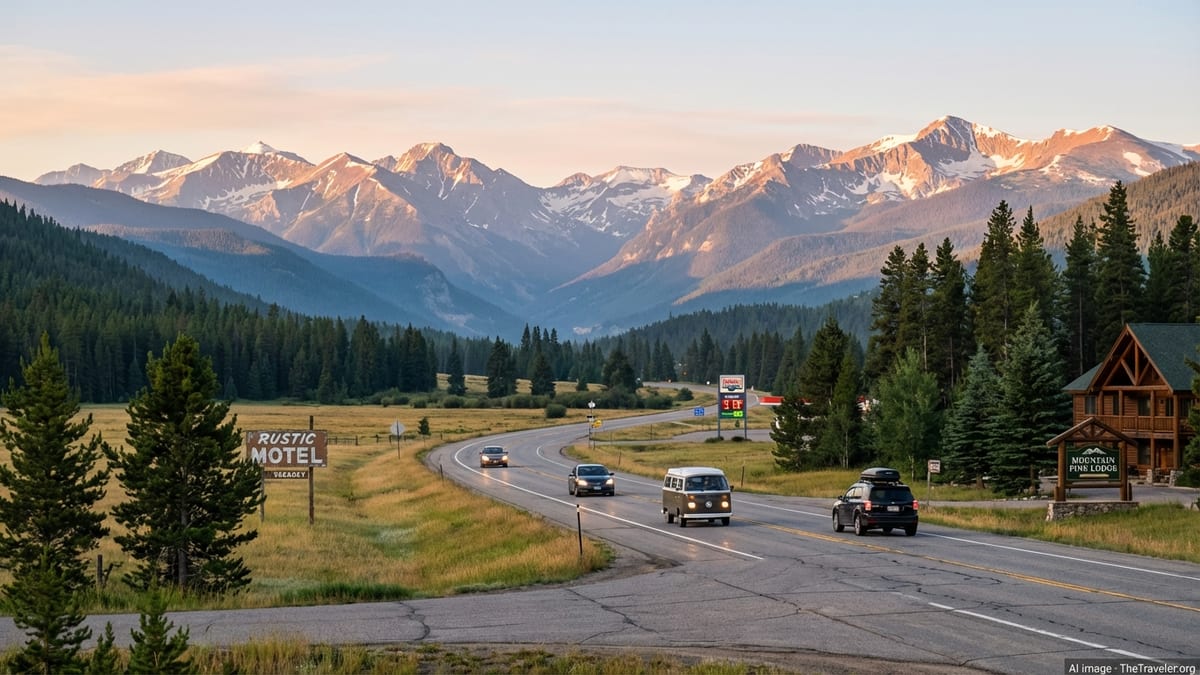
Typical Trip Budgets at a Glance
Most travelers to Colorado can expect to spend somewhere between a modest road trip budget and a splurge heavy ski holiday. A budget minded visitor who road trips in, stays in simple motels or private rooms, cooks some meals and focuses on free outdoor activities can often keep costs around 125 to 200 dollars per person per day, excluding gear purchases. A mid range traveler who flies to Denver, rents a car, stays in decent three star hotels and mixes paid attractions with free hiking is more likely to land in the 225 to 350 dollar per person per day range, depending on season and location.
Costs climb quickly for ski focused itineraries in Colorado, especially at big name resorts. Walk up lift tickets at major mountains like Vail, Beaver Creek, Breckenridge, Steamboat and Telluride have reached or exceeded roughly 300 to 350 dollars per adult per day during peak holiday windows in recent seasons, with Breckenridge and Steamboat around the low 300s and Vail and Beaver Creek higher still. That single line item can push peak season ski trips for a couple into the 700 to 1,000 dollars per day territory, before lessons, rentals and dining are added.
Season and place matter as much as travel style. Summer in Denver or Colorado Springs with a rental car and national park visits will look very different on your credit card than winter in Aspen or Vail. Even within the ski world, smaller independent hills and weekday visits can cost a fraction of peak resort pricing. Knowing your rough budget per person per day before you plan helps you choose destinations and dates that fit, rather than falling in love with an itinerary that will strain your finances later.
Getting to Colorado: Flights and Driving Costs
For many visitors, the first big decision is whether to fly into Colorado or drive. Denver International Airport is a major hub with competitive fares from across the United States, while regional airports such as Colorado Springs, Grand Junction, Montrose and the ski country fields near Vail or Aspen tend to be more expensive but can save long drives. Round trip domestic fares into Denver typically fluctuate widely based on season and advance purchase, but it is reasonable to expect that a traveler booking several months out might see deals in the low to mid hundreds from many US cities, rising toward 500 dollars or more from smaller airports or at crowded holiday periods.
Flying directly into the mountains, for example Montrose for Telluride or Eagle County for Vail and Beaver Creek, often adds a significant premium. In busy winter and summer windows, it is common to see round trip economy fares that are a few hundred dollars higher than Denver, especially from the East Coast. Some travelers choose to combine a flight into Denver with a rental car or shared shuttle to reach the high country as a way of balancing cost and convenience. When calculating your trip budget, it helps to assign each person a realistic flight range rather than assuming the cheapest advertised fare will be available on your exact dates.
If you are within a day or two of driving distance, a road trip can make sense financially, especially for families and groups. For a simple estimate, multiply your total round trip distance by your vehicle's miles per gallon, then by a conservative current fuel price. Adding a buffer for mountain driving and side trips is wise. While fuel costs have trended up and down in recent years, many travelers find that splitting gas and parking among several people compares favorably with paying for multiple airline tickets, although the value calculation changes if you plan to rent a car once you arrive in Colorado anyway.
Lodging in Colorado: Cities, Ski Towns and Small Mountain Inns
Lodging is often the largest fixed cost after transportation, and prices in Colorado vary dramatically by location and season. In Denver, recent analyses indicate that average nightly hotel rates downtown have hovered around the low 200 dollars mark, with fringe neighborhoods closer to around 170 dollars and upscale districts like Cherry Creek often exceeding 250 dollars per night in busy seasons. Other sources that aggregate traveler bookings put three star hotels in Denver nearer to the mid 150 dollars range on average, with two star options averaging in the 120s and four star properties commonly above 230 dollars before taxes and fees.
Those city averages spike during major events. When Denver hosts big conventions, sports championships or festivals, room rates can jump by 40 percent or more for several nights, and even basic motels may charge double their usual rate. Advance planning and flexible dates help, but visiting popular cities on quiet weekdays outside of holidays is often the most effective way to secure a fair price. By contrast, secondary cities such as Colorado Springs or Fort Collins tend to offer slightly lower hotel averages than downtown Denver, especially if you are willing to stay a short drive from main attractions.
In the mountain resorts, lodging prices tend to follow the ski season and summer tourism curve more than the business calendar. Slopeside hotels and condos in places like Vail, Aspen or Telluride can be among the most expensive in the state, particularly from late December through early January and again during long holiday weekends. It is not unusual for central rooms and well located condos in these towns to command several hundred dollars per night in winter, and luxury options can easily exceed four figures. More affordable choices often exist a few miles away in satellite towns or at motels along the interstate, but you trade proximity for price and may need to factor in paid parking and longer shuttles.
Outside of the big name resorts, Colorado's small inns, motels and vacation rentals in places like Salida, Buena Vista, Gunnison or Durango can be much friendlier to mid range and budget travelers. Nightly rates in these areas often fall closer to or below the averages seen in Denver, particularly in shoulder seasons like late spring and early fall. If your focus is hot springs, hiking and scenic drives rather than world famous ski terrain, basing in a smaller town can dramatically improve your cost per day without sacrificing character.
Getting Around: Rental Cars, Gas and Transit
Colorado is a driving state for most visitors. While Denver and a few resort towns offer light rail lines or walkable cores, many of the state's best hiking trails, national park viewpoints and scenic byways are only reachable by car. Rental car prices have eased from the very high rates seen just after the pandemic, but they still fluctuate seasonally. One analysis of rental patterns in Colorado reported that cars picked up in Denver averaged roughly 30 to 35 dollars per day in low demand months like November and January and around 70 dollars per day in the mid summer high season, based on 2024 booking data.
Across the United States, an industry survey of airport locations found that fall 2024 rental car rates at major airports averaged in the mid 60 dollars per day range, with Colorado Springs appearing toward the higher end of that list at just over 80 dollars per day. Those numbers suggest that for most Colorado trips you should budget something like 50 to 80 dollars per day for a basic rental, depending on season, advance booking and pick up location, plus taxes, insurance and fuel. Upgrading to an all wheel drive SUV for winter driving or adding a ski rack, child seats or other extras will increase that baseline.
Fuel is another variable cost that depends on both market prices and your itinerary. Mountain driving often involves long grades, cold temperatures and slower speeds, all of which can affect fuel economy. A conservative approach is to calculate the likely miles you will drive, divide by a slightly lower than usual miles per gallon estimate, and then multiply by a fuel price that is on the high side of recent local averages. That way a spike in gas prices or more backtracking than planned will not break your budget. If you are staying in a walkable ski town and only using the car to get from Denver to the resort and back, your total fuel line item will be modest compared with lift tickets and lodging.
Travelers who prefer not to drive can lean on shuttles and transit in certain corridors. Shared shuttles from Denver International Airport to major ski towns charge per person, and for couples or families the combined one way cost can approach or exceed the daily rate of a small rental car, especially if you also plan to move between areas. However, if you are comfortable staying in one place and relying on local free bus networks such as those in Summit County or Aspen Snowmass, you may find that avoiding winter driving is worth the tradeoff. In Denver, light rail serves the airport and some suburbs, and rideshare services are widely available but can be expensive for longer mountain transfers.
Food, Drink and Daily Expenses
Daily food budgets in Colorado vary as widely as lodging costs. In Denver and the larger cities, a traveler who is happy with simple breakfasts, takeaway lunches and casual dinners can often eat reasonably well for 40 to 60 dollars per person per day, especially if they occasionally cook in a rental. Add craft cocktails, trendy restaurants and frequent coffee stops and the tally can climb into the 70 to 100 dollars range without feeling particularly extravagant. Mountain towns tend to run a bit higher for the same types of meals, reflecting both supply costs and captive audiences.
On the slopes, prepared food is notably pricey. A basic cafeteria lunch at a major ski resort, such as a burger or bowl and a drink, can easily push past 20 dollars per person, and table service restaurants on the mountain will be more. Many budget conscious skiers pack snacks and sandwiches in a backpack and only buy the occasional hot drink or treat, saving a surprisingly large amount over a week. Dinner in resort villages also trends upward, with even mid tier venues frequently charging city level prices. Planning a few self catered dinners in a condo, or staying somewhere with a fridge and microwave for leftovers, can keep your daily dining costs under control.
Do not forget smaller daily expenses that add up. Resort parking, which increasingly comes with tiered charges in peak season, can run from around 20 to 40 dollars per day at some large mountains. In cities, hotel parking can carry its own fee, and meter rates downtown reward paying attention to time limits. Tips for guides, servers, drivers and housekeeping, laundry on longer trips, and small purchases like sunscreen or forgotten gear are all part of a realistic Colorado budget. Giving yourself a modest daily cushion for these items helps avoid unpleasant surprises.
Activity Costs: Skiing, Parks and Urban Attractions
Colorado's signature activities are a mix of some of the priciest sports in North America and some of the most affordable. Skiing sits on the high end. At the largest resorts, single day walk up lift tickets have pushed beyond 300 dollars for adults during peak holiday weeks, with recent reporting noting Breckenridge, Vail, Beaver Creek, Steamboat and Telluride all charging in that range for the days between Christmas and New Year. Even outside of those dates, high season daily tickets over 200 dollars are common. Because of this, season passes and multi day products such as big multi resort passes have become popular, offering a much lower per day rate if you ski several days in a season.
Not every hill is that expensive. Smaller Colorado ski areas, including community oriented hills and independent mountains, have made headlines by freezing or even reducing their ticket prices. Examples include Ski Cooper, which in recent seasons has cut midweek daily rates to under 50 dollars, and Loveland, which has held its regular season walk up tickets around the low 100s, cheaper than mega resort neighbors further west. Some hills offer discounted packs of tickets, and a few even provide free skiing on select days. For those willing to skip the biggest brand name resorts, ski costs in Colorado can be brought down substantially.
Outside of winter sports, Colorado's activity costs are much friendlier. Entrance fees for national parks such as Rocky Mountain National Park generally follow the standard National Park Service vehicle pricing, often around a few tens of dollars per car for a multi day pass. That cost divided among several people is modest compared with many urban attractions. Popular guided tours like white water rafting, jeep trips, fly fishing excursions or zip line experiences usually fall into the double or low triple digit range per person, depending on duration and group size. City based attractions such as museums, botanic gardens and historic sites commonly charge anywhere from under ten dollars to around thirty dollars per adult, with many offering free days or discounted evenings.
Planning ahead lets you balance free and paid activities. A single day of expensive skiing might be followed by a quieter day of snowshoeing on public land. In summer, a paid guided rafting trip might be bookended by free hikes and scenic drives. Because weather in Colorado can change quickly, it is wise to have a mix of flexible options rather than prepaying for every experience. When you do commit funds in advance, check refund policies and consider travel insurance if your trip involves substantial nonrefundable activity costs.
Seasonal Price Swings and Sample Daily Budgets
Time of year is one of the strongest predictors of what your Colorado trip will cost. Winter holiday weeks around Christmas and New Year, spring break periods in March, and midsummer weekends during festival seasons in the mountains all bring premium pricing on flights, lodging and in demand activities. Shoulder seasons such as late April to early June and mid September to early November often offer the best combination of lower prices and pleasant weather, though conditions at high elevations can be variable and some mountain services operate on reduced schedules.
As a rough illustration, consider three sample daily budget scenarios excluding flights. A budget minded summer road tripper staying in two star motels outside city centers, sharing a basic rental car or using their own vehicle, primarily hiking and picnicking, and cooking or eating at simple cafes might reasonably target around 150 dollars per person per day. In that estimate, lodging could account for 60 to 80 dollars, transport 20 to 30 dollars, food 30 to 40 dollars and activities and extras 20 to 40 dollars.
A mid range visitor in summer or fall who prefers three star city hotels or comfortable rentals, a standard rental car, a mix of restaurant meals, a few paid tours and park entry fees might look at 225 to 300 dollars per person per day, depending on how many people share the car and room. Here, lodging often falls in the 100 to 150 dollars per person per day range when split, transport 20 to 40 dollars, food 40 to 70 dollars and activities 40 to 60 dollars. For a couple, that can translate into a week in Colorado for something like 3,000 to 4,000 dollars plus airfare.
By contrast, a peak season ski trip at a major resort that relies on walk up lift tickets, central lodging, frequent dining out and gear rental easily climbs higher. A single adult might see a daily budget of 500 dollars or more once a 300 dollar lift ticket, 150 to 250 dollars for a share of a slopeside room, 70 to 100 dollars for food and 30 to 50 dollars for gear and extras are added together. Families and groups can soften those numbers by sharing larger rentals, buying passes in advance to lower per day lift costs, choosing smaller hills or traveling midweek and outside holidays. Actual spending will vary, but thinking in realistic per day ranges helps align trip plans with financial comfort levels.
The Takeaway
A trip to Colorado can be as simple as a modest road journey through mountain passes and small towns or as lavish as a holiday in one of North America's most exclusive ski resorts. The same state that hosts some of the world's most expensive lift tickets also offers low cost community hills and vast stretches of free public land. Your final bill comes down to when you visit, where you sleep, how you get around and which experiences matter most to you.
Instead of fixating on a single average trip price, it is more helpful to break your budget into categories like transport, lodging, food and activities, then research Colorado specific ranges for each. Using recent data points for Denver hotel rates, rental car averages and lift ticket trends, you can plug in realistic figures rather than guesses. From there, small choices make a big difference: cooking a few dinners, skiing a smaller hill, visiting in October rather than over Christmas, or sharing a car with friends can all keep costs in check without erasing the magic of the Rockies.
Ultimately, the best Colorado budget is the one that matches your travel style and financial comfort while leaving room for a bit of spontaneity. Plan for the big line items, pad your daily estimates for the unexpected, and then let the mountains, canyons and cities surprise you. With thoughtful planning, you can step off the plane in Denver or cross the state line by car knowing that the memories you make in Colorado will feel rich for reasons that have little to do with what you spent.
FAQ
Q1. How much does a week in Colorado cost for a typical traveler?
For a mid range traveler, a week in Colorado commonly runs around 1,500 to 2,500 dollars per person before flights, depending on season, lodging choices and activities.
Q2. Is Colorado an expensive place to visit compared with other US states?
Colorado can be pricier than many regions because of strong demand in ski towns and national parks, but city breaks and shoulder season trips can feel comparable to other major destinations.
Q3. How far in advance should I book to get better prices on a Colorado trip?
Booking flights and lodging three to six months ahead often strikes a balance between selection and price, especially for peak ski season and popular summer weekends.
Q4. Are Colorado ski trips always extremely expensive?
No. Big name resorts are costly, but choosing smaller ski areas, visiting midweek, buying passes in advance and staying farther from the slopes can significantly lower total costs.
Q5. How much should I budget per day for food in Colorado?
A reasonable daily food budget is around 40 to 60 dollars per person for casual dining, or 70 to 100 dollars if you favor sit down restaurants and drinks most days.
Q6. Can I visit Colorado without renting a car?
It is possible in specific corridors that have shuttles and transit, such as some ski towns and central Denver, but most itineraries that include parks and small towns are easier with a car.
Q7. What is the cheapest time of year to travel to Colorado?
Late spring and mid fall often offer lower lodging and rental car prices, along with fewer crowds, though higher elevations may see unpredictable weather and some limited services.
Q8. How much do lift tickets cost at Colorado ski resorts?
Single day lift tickets at big resorts can exceed 300 dollars during peak holidays, while smaller hills may charge under 100 dollars or offer discounts and multi day deals.
Q9. Are national parks in Colorado expensive to visit?
National parks typically charge a modest vehicle entry fee that covers several days, making them one of the more affordable major attractions in the state on a per person basis.
Q10. How can I keep my Colorado trip budget under control?
Traveling in shoulder seasons, sharing rooms and cars, cooking some meals, mixing free outdoor activities with a few paid highlights and avoiding peak holiday dates are effective strategies to manage costs.