

India remains one of the best value destinations in the world, but trip costs have been rising in recent years, especially at the mid range and luxury end of the hotel market. For travelers planning a visit in 2026, understanding how much a trip to India really costs is less about chasing the absolute cheapest price and more about knowing where your money goes, what pushes prices up, and how daily budgets change between backpacker, mid range and high end travel styles. This guide breaks down realistic per day budgets in Indian rupees and US dollars, and explains how to plan a trip that fits your comfort level without breaking the bank.
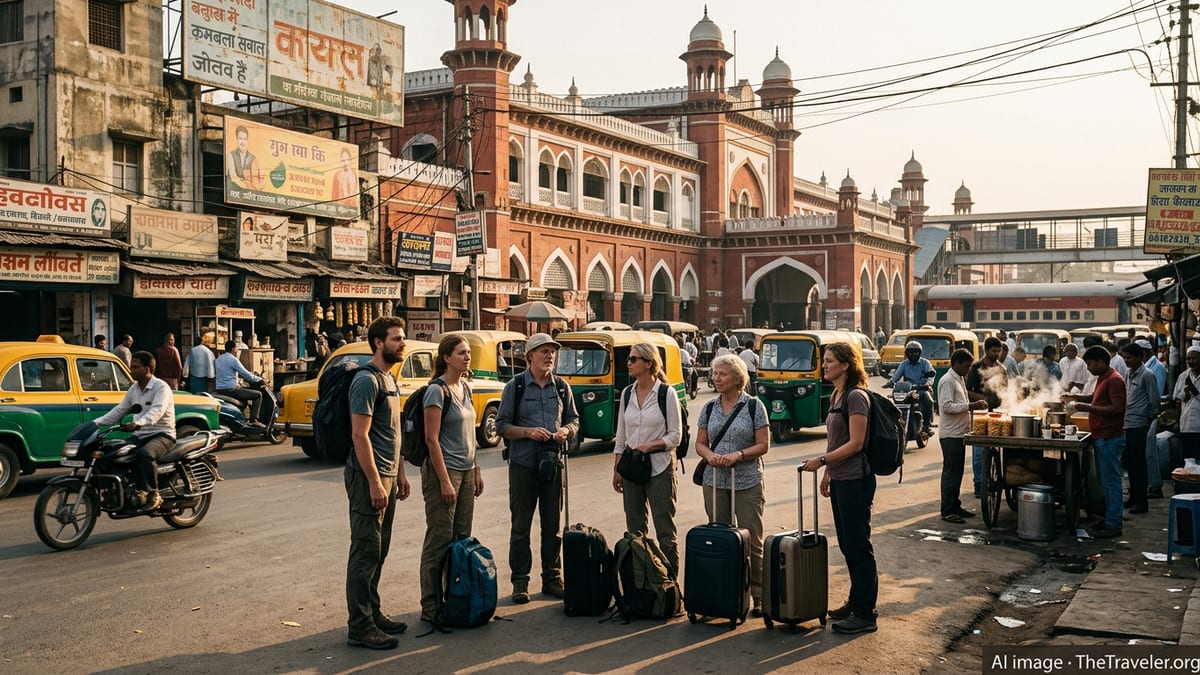
What Shapes the Cost of a Trip to India in 2026
India has long had a reputation as a low cost destination, but visitor experiences today vary widely. A traveler sleeping in hostel dorms, riding sleeper class trains and eating street food can still get by on a fraction of what a visitor staying in branded hotels, flying between cities and booking private tours will spend. At the same time, hotel rates across the country have climbed, especially during peak wedding and festival seasons and for high profile events in major cities. That means the gap between ultra budget and luxury travel has widened, even as basic costs like local food and transport remain relatively affordable.
Several structural trends are pushing prices upward. Domestic tourism has surged since the pandemic, filling hotels and driving average daily room rates to record highs in many cities. Industry reports for 2024 and 2025 show average room prices in India in the mid and upscale segments continuing to rise, with luxury properties increasing rates faster than budget competitors as demand for premium experiences grows among Indian travelers. At the same time, inflation, higher staffing and energy costs, and heavy investment in new hotel infrastructure have all fed into higher prices passed on to guests.
Despite these increases, day to day travel expenses remain highly flexible. Street food, local buses, basic guesthouses and non air conditioned train classes are still inexpensive by global standards and help keep backpacker budgets low. Taxis, ride hailing apps and domestic flights add convenience at extra cost. Attractions, meanwhile, often have tiered pricing, with foreign visitors paying substantially more to enter monuments and museums than Indian nationals. Understanding these layers will help you estimate a daily budget that reflects how you actually want to travel, rather than an unrealistically low headline number.
It is also important to remember that India is a large and diverse country. Prices in central neighborhoods of Mumbai, Delhi, Bengaluru and Goa’s most popular beaches can be far higher than in smaller cities or rural areas. Hill stations, wildlife reserves and pilgrimage centers have their own pricing quirks tied to limited hotel stock and seasonality. When you build a budget, treat national averages as a starting point and adjust your expectations upwards for major metros, luxury beach resorts and peak dates.
Backpacker Daily Budgets: Shoestring to Comfortable
Backpackers can still travel India on a relatively low daily budget, but the rock bottom figures of past decades are less realistic in 2026 for most first time visitors. Recent backpacker oriented guides and traveler reports suggest an average range of roughly 1,500 to 3,500 Indian rupees per day for a foreign visitor keeping costs in check. In US dollar terms, that typically works out to about 18 to 42 dollars per day at current exchange rates, though your exact spending will rise in big cities or if you prefer air conditioned rooms and occasional splurges.
At the lower end of that spectrum, say 1,500 to 2,000 rupees per day, you would likely sleep in hostel dorms or very simple guesthouses, favoring smaller cities and off peak seasons. Many hostel dorm beds in less expensive destinations still fall in the 600 to 1,200 rupee range per night, while basic guesthouses without air conditioning can be a little higher. Meals at local eateries and street food stalls can be extremely cheap, with a simple vegetarian meal often costing only a small fraction of your daily budget. Local buses, suburban trains and metro systems provide inexpensive urban transport, while slower trains cover long distances at modest fares.
At the comfortable backpacker level, closer to 2,500 to 3,500 rupees per day, you can upgrade to private rooms in budget hotels or homestays, choose air conditioning in hotter regions, and add in some intra city ride hailing trips and entrance fees to major attractions without constantly counting every rupee. This tier also allows for occasional domestic flights booked in advance on low cost carriers, particularly on longer routes where saving time matters. Many travelers in this range describe India as still very affordable, but no longer “ultra cheap” once they add in coffee shops, better restaurants or last minute hotel bookings.
Going below 1,500 rupees per day is possible for experienced budget travelers who stay long term in one region, rely almost exclusively on street food and public transport, and are comfortable with the most basic accommodation and facilities. However, that kind of budget can feel restrictive for a short trip, especially if you are dealing with jet lag, climate differences and the learning curve of traveling in India for the first time. Most visitors planning trips in the one to four week range will be happier setting a daily backpacker budget somewhere in the mid to upper part of the commonly quoted range.
Mid Range Travel: What a Comfortable Daily Budget Buys
Mid range travel in India is where many foreign visitors and increasingly many domestic tourists now sit, and where price increases have been most noticeable over the last few years. Industry data from 2024 and 2025 indicate that typical three star and mid market hotels often charge in the region of 3,000 to 5,000 rupees per night in many cities, with higher figures in prime neighborhoods and during peak season. With this as your accommodation base, a realistic total daily budget for a solo traveler seeking comfort without excess usually lands somewhere around 5,000 to 10,000 rupees per day, roughly 60 to 120 US dollars depending on exchange rates and your personal choices.
At the lower end of that mid range, you might stay in well rated budget hotels or homestays slightly outside the most central areas, take advantage of early booking deals, and mix local eateries with occasional meals in cafes and popular restaurants. Local flights might be used strategically on longer routes, but trains remain a major mode of transport. You would likely prioritize a few paid experiences, such as guided walks, cooking classes or wildlife safaris, while relying on free or low cost attractions on other days. Many first time visitors find this balance comfortable: clean private rooms, air conditioning where needed, and a mix of local immersion and familiar comforts.
At the higher end, closer to 8,000 to 10,000 rupees per day, your stay could include well located three or four star hotels in big cities, more frequent use of ride hailing services such as taxis between sights, and regular dining at popular mid range restaurants. This tier also makes it easier to absorb higher entrance fees at flagship attractions, where foreign visitors often pay far more than Indians, and to enjoy extras like rooftop bars, spa treatments or boutique shopping without constant stress about overspending. Many couples traveling together find that sharing a double room brings the per person cost down within this range, even if the nominal daily outlay looks higher.
It is worth noting that mid range in India can feel inconsistent between destinations. In some smaller cities, a hotel priced in the middle of this band may feel nearly luxurious compared with what the same money buys in Mumbai or Goa in high season. Reading recent reviews, checking room photos carefully and paying attention to comments about noise, cleanliness and service are important if you want to ensure your mid range budget really translates into a mid range experience on the ground.
High End and Luxury: How Much to Budget per Day
Luxury travel costs in India have risen sharply in recent years, particularly in major urban centers and high demand leisure destinations. Industry reports from 2024 and 2025 show average room rates in premium hotels climbing into the upper thousands of rupees per night on a national basis, with luxury properties in leading chains often priced substantially higher. In 2025, for example, five star deluxe hotels in some cities were reported with average nightly rates well into the mid to high five figure rupee range, while budget hotels averaged under a quarter of that. That gap has only widened in specific cases during special events.
For planning purposes, a typical luxury daily budget for a solo traveler staying in reputable five star hotels or luxury heritage properties in 2026 will often start around 18,000 to 25,000 rupees per day outside of extraordinary events. This rough band, around 215 to 300 US dollars, might cover a high quality room in a major city, regular use of private transfers or chauffeured cars, dining in hotel restaurants or notable standalone venues, and pre booked private tours in popular destinations. In smaller cities and less visited states, similar properties may cost less, while flagship palaces and marquee beach or wilderness resorts may sit above this level.
At the very high end, a fully indulgent experience in India’s best known urban hotels, palace conversions or exclusive retreats can easily run to 30,000 to 50,000 rupees per day or more, especially if you choose suites, last minute bookings in peak season, or properties that bundle in meals and activities. In this bracket, you might charter private vehicles for whole days, book personalized guided experiences, enjoy spa treatments and fine dining regularly, and prioritize convenience and privacy over saving money. Corporate travelers on expense accounts and honeymooners often inhabit this spending tier.
There are also short windows where nightly rates in specific cities spike far beyond typical luxury levels. A recent example is New Delhi during February 2026, when the India AI Impact Summit combined with peak wedding season to send some luxury hotel suites close to the 300,000 rupee mark or higher per night. While such extremes are not representative of normal travel conditions, they highlight how event driven pricing can compress available options at the top end. If you are planning luxury travel around major conferences, weddings, festivals or sporting events, reserving early and checking flexible dates can make a significant difference to your daily budget.
For most leisure travelers aiming for special but not extravagant experiences, a realistic luxury oriented daily budget will sit somewhere between the higher mid range and the above figures. Blending stays, such as combining a few nights in a world famous palace hotel with time in more modest but still comfortable properties, is a common strategy to enjoy highlights without pushing your overall trip cost into corporate territory.
Sample Daily Budgets by Travel Style
While every traveler spends differently, sketching out sample daily budgets can help anchor your planning. Consider these scenarios as broad illustrations for 2026, recognizing that specific prices change by city, season and how early you book. All figures refer to solo travelers, and couples sharing a room can often reduce per person costs on accommodation. The goal is not to fix rigid numbers but to give you a frame of reference when comparing transport options, hotel categories and activities.
A lean backpacker day in a mid priced city might look like this. You pay around 900 rupees for a hostel dorm bed, 500 rupees for three simple meals and snacks at local eateries, 300 rupees for a mix of metro rides and rickshaws, and 300 rupees for a museum entry or small excursion, plus 200 rupees for coffee, water and small extras. Your total is roughly 2,200 rupees for the day, landing solidly within that backpacker band. On travel days when you take longer trains, your food spending might still be modest but your ticket could add another few hundred to over a thousand rupees depending on the class and distance.
For a mid range traveler in the same city, a plausible day might involve a 4,000 rupee hotel room, 1,200 rupees for meals split between hotel breakfast, a cafe lunch and a well known restaurant for dinner, 600 rupees on ride hailing and local transport, and 800 rupees on entrance fees, guided experiences or shopping. That totals about 6,600 rupees. Add the occasional domestic flight, and your average might rise closer to 7,000 or 8,000 rupees across the trip. This figure matches many recent accounts from travelers who describe India as still relatively good value compared with Western destinations, but not as cheap as older guidebooks suggest.
A luxury focused day in a major city could feature a 20,000 rupee room in a leading five star hotel, 3,000 rupees for meals in hotel restaurants and high end venues, 2,000 rupees for a private driver or regular taxis, and 2,000 rupees on spa treatments, high profile attractions or private guided tours. That produces a daily total in the vicinity of 27,000 rupees. In peak season or in especially exclusive properties, those figures can easily climb. Conversely, traveling in shoulder seasons or choosing emerging luxury destinations outside the main metro hubs can bring the total down while still delivering high standards of comfort and service.
When you plan your overall trip budget, remember to add irregular high cost days into your averages. Long haul flights to and from India, visa fees where applicable, travel insurance, any pre trip vaccinations or medications, and big ticket activities such as multi day safaris or wellness retreats all inflate your total beyond the simple daily hotel and food spend. Dividing your entire expected trip cost by the number of travel days will give you a more honest “all in” daily figure to compare against other destinations.
Seasonality, Cities and Hidden Costs
The timing and geography of your trip influence your daily budget as much as your travel style. India’s peak tourist season in many regions runs roughly from November to February, when temperatures are more comfortable in the north and major festivals draw crowds. During these months, and particularly around Christmas, New Year and major local events, demand for accommodation surges. Hotels in popular hill stations, Rajasthan’s heritage cities and Goa’s beaches often charge significantly more at these times, with some properties requiring multi night minimum stays that further raise costs.
Big cities such as Mumbai, Delhi, Bengaluru, Chennai and Hyderabad have their own pricing rhythms that reflect corporate travel, weddings and conventions as much as leisure tourism. As illustrated by the spike in Delhi’s room rates around the India AI Impact Summit in February 2026, rates can climb quickly when a large event coincides with seasonal peaks. Traveling slightly off peak, arriving midweek rather than on weekends, or staying in neighborhoods just outside the core business or tourist districts can help you avoid the steepest prices while remaining well connected by metro or taxi.
Climate also plays a role in how much you will want to spend. In the hottest months, roughly April to June in much of the country, air conditioning can shift from a luxury to a necessity for many travelers. Choosing air conditioned train classes and hotel rooms will raise your budget, but may be worthwhile for comfort and health. In regions affected by monsoon rains, such as much of the west coast and northeast between June and September, off season prices can be attractive, but you should allow extra flexibility for transport disruptions and set aside a little for indoor activities when heavy rain keeps you from sightseeing.
Several recurring costs often surprise first time visitors. Foreign tourists typically face higher entry fees to well known monuments and heritage sites than Indian citizens do, which can add up across a busy sightseeing itinerary. Domestic flights sometimes appear inexpensive at first glance, but baggage fees, add ons and last minute price increases can raise the actual cost. Alcohol, especially imported spirits and wines served in licensed bars or hotel restaurants, is often more expensive relative to general living costs than visitors expect. Finally, service charges and taxes on hotel and restaurant bills can be substantial, so it is wise to check whether advertised prices are inclusive when you set your daily budget.
Money Saving Tips Without Sacrificing Too Much Comfort
There are many ways to keep your daily costs in India manageable without dropping into the most basic travel tier. One of the most effective is to be flexible with your itinerary and book accommodation early for high demand locations. Popular destinations such as Jaipur, Udaipur, Agra, Rishikesh and Goa have large ranges of mid range and boutique properties, and locking in free cancellation rates months ahead can shield you from later price hikes. In big cities, expanding your search radius to include neighborhoods well served by metro or suburban trains often uncovers better value than staying right next to the main tourist landmarks.
Transport choices also present big opportunities to save. Indian Railways remains one of the best value ways to cover long distances, especially in reserved sleeper or air conditioned classes booked ahead of time. Overnight trains can act as both accommodation and transport, effectively rolling two costs into one. Low cost domestic airlines are plentiful, but you can keep flight costs under control by traveling with carry on only where possible, avoiding prime time departures when fares are highest, and monitoring prices several weeks in advance rather than buying at the last minute.
On the food front, eating where locals eat is both a cultural experience and a budget friendly tactic. Simple vegetarian thali meals, South Indian tiffin dishes like dosas and idlis, and regional snacks are often inexpensive while still filling and flavorful. Many mid range hotels include breakfast in the room rate, which can reduce your overall daily spending on meals. At the same time, be cautious about chasing the absolute cheapest options if you have a sensitive stomach. Clean, busy stalls and eateries with high turnover are usually a safer choice than deserted vendors, and bottled or filtered water should be factored into your budget.
Other small habits also help. Using ride hailing apps to compare fares before agreeing to a rickshaw or taxi price reduces the risk of overpaying, even if you then choose to ride offline. Buying local SIM cards or eSIM data packages instead of relying solely on hotel Wi Fi can save money and make it easier to use maps and payment apps. Learning basic phrases in Hindi or regional languages may not reduce prices directly, but it often leads to friendlier interactions that make negotiating and clarifying costs less stressful. Over a multi week trip, these incremental savings and smoother experiences can make a noticeable difference to how far your daily budget stretches.
The Takeaway
Planning how much a trip to India will cost in 2026 requires looking beyond old tales of ultra cheap travel and focusing instead on your own expectations of comfort and flexibility. For many foreign backpackers, a realistic daily spend today falls somewhere between 1,500 and 3,500 rupees, while mid range travelers often land in the 5,000 to 10,000 rupee zone once accommodation, food, local transport and entrance fees are accounted for. Luxury visitors staying in well known five star hotels and relying on private transport and curated experiences can easily see daily totals from around 18,000 rupees upward, with certain events and exclusive properties pushing costs much higher.
India remains good value compared with many popular destinations, particularly when it comes to local food, public transport and simple accommodation. Yet rising hotel rates, event driven price spikes in major cities and the gap between domestic and foreigner pricing at attractions mean that underestimating your budget can lead to unwelcome compromises. By understanding how costs vary between regions and seasons, and by making conscious choices about where to spend and where to save, you can build a trip that reflects your priorities rather than a generic average.
Ultimately, the most important step is to think in terms of trade offs, not absolutes. Choosing overnight trains may free up cash for a splurge stay in a heritage palace. Traveling in shoulder seasons can unlock mid range or luxury experiences at prices closer to your original target. Opting for homestays and locally run guesthouses instead of global chains can balance comfort with connection and cost control. With realistic expectations and thoughtful planning, India in 2026 can still offer a remarkable amount of travel for your money, whether you are counting every rupee or investing in a once in a lifetime journey.
FAQ
Q1. How much should I budget per day to backpack in India in 2026?
For most foreign backpackers, a realistic daily budget in 2026 is roughly 1,500 to 3,500 rupees, depending on where you go, how often you move, and how much comfort you want.
Q2. What is a reasonable daily budget for mid range travel in India?
Mid range travelers staying in decent hotels or homestays, using a mix of trains, taxis and flights, and visiting major sights should expect to spend about 5,000 to 10,000 rupees per day.
Q3. How much does luxury travel in India cost per day?
Staying in recognized five star or luxury heritage hotels with private transport and frequent fine dining often puts daily budgets in the 18,000 to 30,000 rupee range or higher, especially in big cities.
Q4. Are prices in India the same everywhere?
No, prices vary widely. Major metros, famous beach areas and top tourist cities tend to be significantly more expensive than smaller towns, rural areas and less visited states.
Q5. When is India cheapest to visit?
India is usually cheaper during shoulder and off peak seasons, such as parts of the monsoon months or hotter periods, though you should balance lower prices with weather conditions and possible travel disruptions.
Q6. Why are hotels in India getting more expensive?
Hotel rates have risen due to stronger domestic tourism, higher operating costs, limited quality inventory in some destinations, and sharp spikes during weddings, festivals and major international events.
Q7. Do foreign tourists pay more at attractions in India?
Yes, many monuments and heritage sites use tiered pricing where foreign visitors pay higher entry fees than Indian citizens, so these costs can form a noticeable part of your daily budget.
Q8. Is it still possible to travel India on a very tight budget?
It is possible if you use hostels or basic guesthouses, eat mostly local street food, rely on public transport and avoid expensive activities, but it can feel restrictive for short trips.
Q9. How far in advance should I book accommodation to get good prices?
Booking several weeks to a few months in advance is advisable for popular destinations and peak seasons, while flexible travelers visiting in quieter periods can sometimes book closer to arrival.
Q10. What extra costs should I include beyond my daily spending?
Remember to factor in international flights, visas if required, travel insurance, vaccinations, big ticket activities such as safaris or retreats, and a contingency fund for unexpected expenses.