

Set at the historic Forks, where the Red and Assiniboine Rivers meet, the Canadian Museum for Human Rights is one of Winnipeg’s defining landmarks and a powerful place to begin or end a day of exploring downtown. Fortunately, getting there from the city centre is straightforward on foot, by transit, in a car, or even by bike. This guide walks you through the most practical options so you can choose the route that fits your schedule, comfort level, and travel style.
Understanding the Museum’s Location in Relation to Downtown
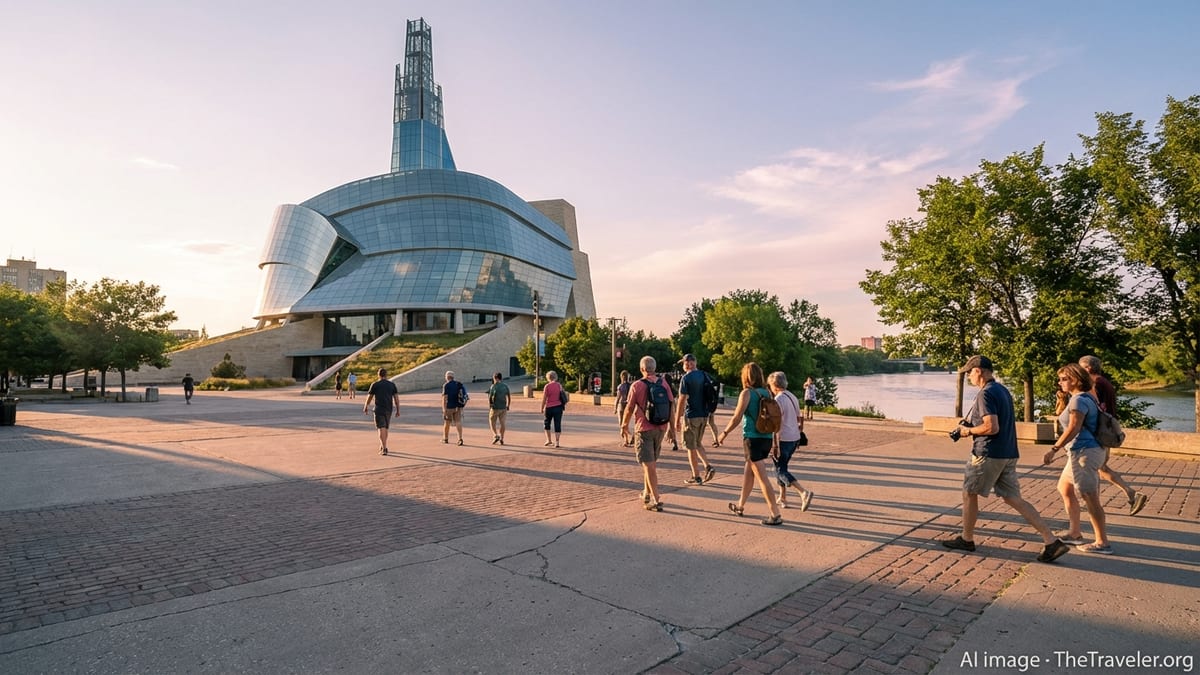
The Canadian Museum for Human Rights stands at 85 Israel Asper Way, on the edge of The Forks, a major gathering place and attraction in central Winnipeg. The building rises just west of Main Street and east of the Red River, a short distance south of Provencher Boulevard. This puts it within easy reach of downtown hotels, office towers, and cultural sites clustered between Portage Avenue and the Exchange District.
For visitors, it helps to think of the museum as the southern anchor of downtown. If you are near Portage and Main or staying in one of the core area hotels, you are within roughly 15 to 25 minutes’ walking distance, depending on your exact starting point and pace. The route is mostly flat and set amid a grid of streets that are relatively simple to navigate.
Winnipeg’s central neighbourhoods flow into one another, so you may not always be certain when you have crossed from “downtown” into The Forks. As a rule of thumb, once you head south of Portage Avenue and approach the Canadian National railway lines and the river, you are moving toward The Forks. The museum’s distinctive glass “tower of hope” and angular limestone forms are visible from many blocks away, acting as a convenient visual guide.
The proximity of the museum to Union Station, the historic Via Rail terminal, also benefits travellers arriving in Winnipeg by train. Union Station sits on Main Street just north of the museum, so the walk from the station concourse to the museum’s entrance is relatively short and straightforward.
Walking From Downtown Winnipeg to the Museum
Walking is one of the most enjoyable ways to reach the Canadian Museum for Human Rights from downtown, especially in milder seasons when sidewalks are clear and the riverfront setting feels particularly inviting. Many visitors begin at Portage and Main or in the office and hotel district west of Main Street and make their way southeast toward The Forks and Israel Asper Way.
If you are near Portage and Main, a simple approach is to walk south on Main Street. This route brings you past a mix of office towers and historic facades before you cross over the rail underpass that leads toward Union Station. Once you reach the vicinity of Union Station, the museum comes into view to your left, beyond the tracks and closer to the river. Wayfinding signs in the area generally point you toward The Forks and the museum, helping you navigate the last few minutes on foot.
Another appealing option, particularly if you want a more scenic arrival, is to thread your way through downtown side streets toward Broadway and then angle southeast toward The Forks Market. From the Forks Market plaza, paved pedestrian paths and open spaces lead directly toward the museum’s entrances along Israel Asper Way. This approach allows you to combine a visit to the museum with time at the market, the riverwalk, and other attractions clustered around The Forks site.
In winter, sidewalks are usually maintained, but conditions can vary. Ice, snowbanks, and windchill can all lengthen walking times and affect comfort. On very cold or stormy days, many visitors choose to walk only part of the way and then use transit or a short taxi or rideshare trip for the remainder. When temperatures moderate in spring, summer, and early autumn, walking becomes a particularly pleasant way to experience the city’s central neighbourhoods and riverfront.
Using Winnipeg Transit From the Downtown Core
Winnipeg Transit provides service to the streets surrounding the Canadian Museum for Human Rights, with routes that connect the museum area to the rest of the downtown core. Buses serving Main Street and nearby corridors stop within a short walk of the museum, and at times special services have been added for events that use Israel Asper Way as a shuttle stop. Routes and stop locations can change over time, so it is always wise to confirm the latest details using the city’s official trip-planning tools before you travel.
In general, a practical strategy is to board any bus in downtown that is heading along or toward Main Street near Union Station. Once you are on board, you can watch for the railway underpass and the large station building that signal you are near The Forks. Getting off at or near Union Station or at a stop close to William Stephenson Way positions you within a short walk of the museum. From these stops, you simply head toward the river and follow signs for The Forks and the Canadian Museum for Human Rights.
Some routes stop even closer to the museum, particularly services that run along Israel Asper Way or that divert to layover points at The Forks during special events. When major celebrations take place at The Forks, the city has in recent years operated dedicated shuttle buses that use northbound Israel Asper Way directly in front of the museum for pick up and drop off. These enhanced services are tied to specific dates and occasions, but they illustrate how centrally the museum sits on the transit network when the city is in festival mode.
Fares, schedules, and bus stop configurations can shift periodically, especially as the city updates its transit network and reconfigures downtown streets. To avoid confusion, consult the official transit website or mobile planning tools shortly before your visit. These tools typically allow you to enter “Canadian Museum for Human Rights” or “The Forks” as a destination and will suggest the most convenient bus routes, stops, and walking connections from your exact downtown starting point.
Arriving by Car, Taxi, or Rideshare From Downtown
For many visitors, especially those travelling with small children, mobility devices, or tight schedules, arriving by car or a vehicle service can be the most practical way to reach the Canadian Museum for Human Rights from downtown. The distance from most central hotels and office towers to the museum is short, so journeys by taxi or rideshare are typically only a few minutes in light traffic.
If you are driving yourself, a direct route from the core is to head south or southeast toward Main Street, then continue toward The Forks and follow signs to Israel Asper Way. The museum’s address on this road makes it relatively easy to follow dashboard navigation systems, which typically recognize “Canadian Museum for Human Rights” as a destination. Once you near The Forks, you will see the museum’s glass and stone structure rising above the riverbank and adjacent open spaces.
Paid parking options are available around The Forks site and in nearby surface lots and parkades. Availability can fluctuate with time of day and event schedules, so it is best to allow a little extra time if you are arriving during weekends, holidays, or when special events are scheduled at The Forks or in the museum itself. Some street parking is available in the broader area, but time limits and payment requirements are in force on many blocks, particularly on weekdays.
Visitors with reduced mobility should be aware of the museum’s accessible drop off arrangements. There is a dedicated accessible entrance along Israel Asper Way, close to accessible parking stalls, that brings visitors directly to the doors. All main entrances are designed to accommodate those using wheelchairs, scooters, strollers, or who simply prefer to avoid stairs, and movement inside the museum is supported by ramps, elevators, and other accessible design features. If you are using a taxi or rideshare, you can ask the driver to drop you near the accessible entrance on Israel Asper Way to minimize walking distances.
Cycling and Other Active Ways to Reach the Museum
When the weather is cooperative, cycling to the Canadian Museum for Human Rights from downtown can be both efficient and enjoyable. Winnipeg has a growing network of bike routes, including signed streets and paths that connect the downtown grid with The Forks and the riverfront. From many downtown hotels and offices, it is only a short ride to reach the pathways that funnel cyclists into The Forks area.
The museum and The Forks complex provide bike racks where you can secure your bicycle during your visit. The exact locations and quantity of racks may evolve over time as on-site facilities are adjusted, but The Forks has long emphasized walking and cycling access, and the museum itself is frequently visited by locals who arrive on two wheels. Locking your bike in a well-lit, visible area and using a sturdy lock remains good practice.
For visitors who enjoy jogging or a brisk riverfront walk, the museum also fits easily into a loop that includes The Forks, nearby bridges, and the opposite bank of the river. Pathways along the Red and Assiniboine Rivers offer changing vistas of the museum’s architecture, so even if you are not cycling, you can incorporate the museum as a landmark on a longer active outing from your downtown base.
Seasonal conditions make a significant difference for active travel. During spring and summer, river paths are typically clear and busy with cyclists and pedestrians, while in late autumn and winter some sections can be icy or snow covered. City crews work to maintain key links, but conditions shift with each weather event. If you are cycling during shoulder seasons, it is wise to be prepared for variable surfaces and to adjust your route accordingly.
Connecting From Union Station and Other Arrival Points
Travellers arriving in Winnipeg by intercity train will find the Canadian Museum for Human Rights particularly easy to reach on foot. Union Station sits on Main Street just north of The Forks, with railway tracks stretching out toward the rivers. From the station’s front steps, the museum’s unusual glass tower is visible to the south and west, providing an immediate point of orientation.
To walk from Union Station to the museum, you can exit onto Main Street, then follow local signage or pedestrian pathways that lead toward The Forks. In practice, this often means heading toward the pedestrian overpasses or underpasses that cross the railway corridor and then continuing along paved paths that thread through The Forks site. The walk is short, often around ten minutes or less for most visitors, and involves modest changes in elevation.
If you are arriving in downtown Winnipeg by intercity bus or a regional shuttle that drops passengers near the core, your onward journey to the museum will depend on the specific drop off point. From locations close to Portage Avenue or the Exchange District, you can often walk or use a short transit ride along Main Street to reach The Forks and Israel Asper Way. Many hotels also maintain relationships with taxi and rideshare services, making it easy to arrange a quick car transfer.
Visitors landing at Winnipeg’s international airport and heading straight downtown may choose to stop at their hotel first and then travel on to the museum. The airport lies several kilometres west of the core, and typical transfer options include taxis, rideshares, and, for those comfortable with local routes, city buses. Once you are established downtown, the onward connection to the Canadian Museum for Human Rights follows the same walking, transit, or driving patterns described above.
Planning Around Hours, Seasons, and Events
Because the Canadian Museum for Human Rights plays a central role in Winnipeg’s cultural life, its surroundings can feel very different depending on the day and time you visit. Regular opening hours typically include daytime operations on multiple days each week, with occasional extended hours on certain dates. Before you set out from downtown, it is wise to check the museum’s current schedule so that your arrival aligns with opening times.
Seasonality also shapes the experience of getting to the museum. In summer, The Forks and the nearby riverbanks come alive with outdoor activities, public art, performances, and market events. Walking routes feel animated, cafes and patios spill into public spaces, and active transportation options are particularly attractive. During these months, you may want to budget extra time to linger along the way as you cross from downtown to the museum through The Forks site.
Winter visits, on the other hand, call for a bit more logistical planning. Temperatures in Winnipeg can drop sharply, so if you intend to walk from downtown to the museum, dressing in layers and considering wind protection is important. Sidewalks and paths are maintained, but snow and ice can affect footing and extend travel times. Some visitors opt for a bus, taxi, or rideshare when conditions are especially harsh, using these modes to limit outdoor exposure between buildings.
Major events at The Forks, in the museum, or along the nearby riverfront can influence traffic and transit patterns. Festivals, holiday celebrations, and large gatherings often draw additional crowds and sometimes bring temporary changes to vehicle access and parking. At the same time, these events frequently coincide with special shuttles or enhanced transit services that make it easier to arrive without a private vehicle. Checking event calendars for The Forks and the museum shortly before your trip helps you decide whether to favor walking, transit, or a direct car drop off from downtown.
The Takeaway
Reaching the Canadian Museum for Human Rights from downtown Winnipeg is remarkably straightforward, regardless of how you prefer to travel. The museum’s position at The Forks puts it within comfortable walking distance of major hotels and offices, while frequent bus routes along Main Street and nearby corridors ensure there is usually a convenient transit option close at hand. For those who value speed, comfort, or accessibility, short taxi and rideshare journeys and on site parking options make car based arrivals easy to arrange.
By thinking through your route in advance, factoring in weather, time of day, and any events that may be underway, you can choose the combination of walking, transit, or vehicle travel that best suits your plans. The journey from downtown to the museum can be more than just a transfer from point A to point B. If you allow a little space in your schedule, it becomes part of the experience, carrying you from the bustle of the central business district to one of Canada’s most thoughtful and inspiring cultural spaces.
FAQ
Q1. How long does it take to walk from downtown Winnipeg to the Canadian Museum for Human Rights?
Walking times vary with your exact starting point, but many downtown locations are roughly 15 to 25 minutes on foot from the museum.
Q2. What is the easiest walking route from Portage and Main to the museum?
A straightforward route is to walk south on Main Street toward Union Station, then follow signs toward The Forks and the museum along Israel Asper Way.
Q3. Can I get to the museum by bus from the downtown core?
Yes. Several Winnipeg Transit routes serve streets near the museum, particularly along Main Street, with stops that leave only a short walk to The Forks and Israel Asper Way.
Q4. Is there parking near the Canadian Museum for Human Rights?
There are paid parking lots and some street parking in and around The Forks area. Availability varies with time of day, events, and seasons.
Q5. How much does a taxi or rideshare cost from downtown to the museum?
Fares depend on traffic and the service you choose, but the distance is short, so most trips from central hotels to the museum are relatively inexpensive.
Q6. Is the route from downtown to the museum accessible for visitors with mobility challenges?
Yes. Sidewalks and paths offer step free options, and the museum has accessible entrances along Israel Asper Way, with accessible parking and interior ramps and elevators.
Q7. Can I cycle from downtown Winnipeg to the museum?
Yes. Downtown streets and river pathways connect to The Forks, and bike racks are available near the museum and throughout The Forks site.
Q8. How do I get from Union Station to the Canadian Museum for Human Rights?
From Union Station on Main Street, you can walk toward The Forks following local signage. The museum is only a short walk south and slightly west of the station.
Q9. Should I plan extra time if I visit during winter?
Yes. Cold temperatures, snow, and ice can slow walking and cycling, so allow extra time and consider using transit, taxis, or rideshares in harsher conditions.
Q10. Is it safe to walk from downtown to the museum in the evening?
Many visitors walk between downtown and The Forks in the evening, especially during events. As in any city, staying on well lit routes and being aware of your surroundings is sensible.