

More news on this day
Travelers moving through Dallas–Fort Worth International Airport (DFW) today encountered significant disruption, with flight-tracking data showing 228 delays and four cancellations affecting a broad mix of domestic and international services on carriers including American Airlines, Southwest, Spirit, and several others.
Get the latest news straight to your inbox!
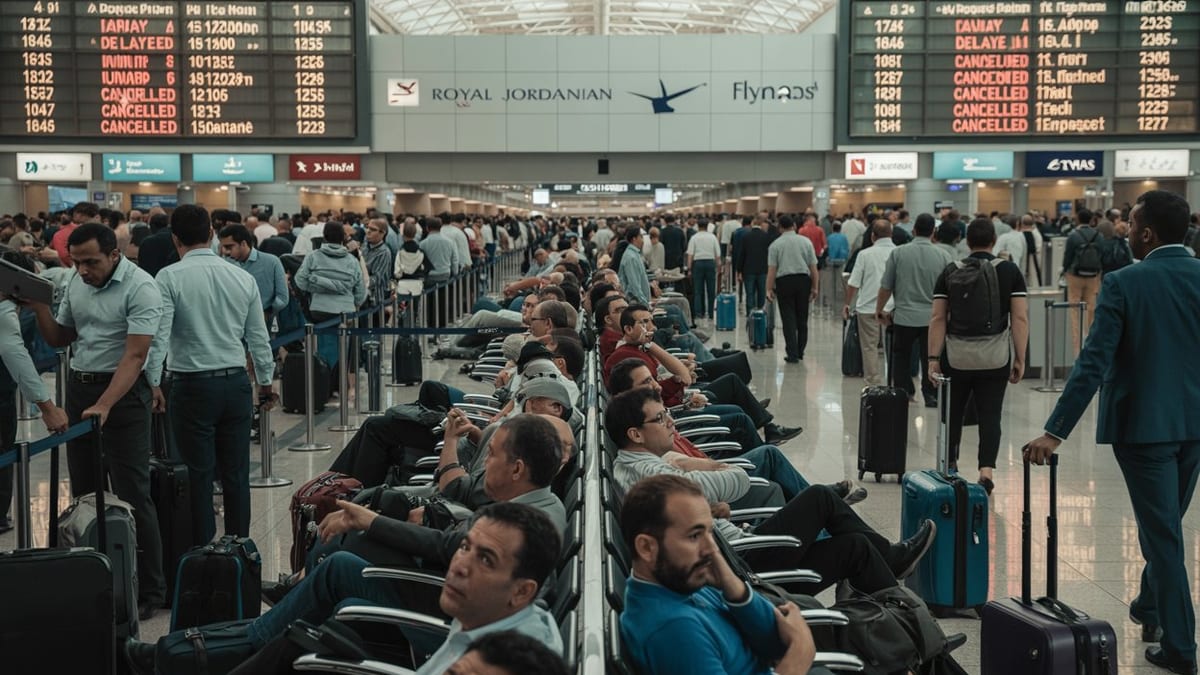
Image by Travel And Tour World
Operational Snags Ripple Through One of the Nation’s Busiest Hubs
Publicly available airport and flight-tracking dashboards indicate that the disruption unfolded through the morning and early afternoon, as departure and arrival banks began to stack up with late operations. Delays ranged from modest schedule slippages to holds of more than an hour, leaving passengers clustered around gate areas and terminal food courts as they waited for new departure times.
The imbalance between arriving and departing aircraft at DFW quickly translated into operational bottlenecks, with late-arriving planes, crew repositioning challenges, and crowded taxiways all contributing to a slower-than-normal flow. As is typical at a major connecting hub, relatively small schedule changes early in the day appeared to trigger a cascade of missed connections and retimed flights across subsequent banks.
DFW routinely handles hundreds of daily movements as a central connector for the central United States, so even a limited number of cancellations can significantly affect passengers. Today’s four cancellations were enough to strand some travelers waiting for rebooking while others were routed through alternate hubs or given later departures out of North Texas.
American, Southwest, Spirit and Others Report Knock-On Effects
According to published coverage and airline status pages, American Airlines, which uses DFW as its primary hub, bore the largest share of disruptions as delays to inbound aircraft created schedule pressure on onward departures. Gate information screens reflected numerous American flights showing rolling delay estimates as aircraft, crew, and baggage operations worked to reset the day’s schedule.
Southwest Airlines, which operates a significant schedule in the Dallas region, and low-cost carriers such as Spirit also showed measurable impacts, with some departures from DFW and nearby airports experiencing extended turnaround times. Publicly available information shows that these carriers were adjusting departure slots, swapping aircraft, and in a few cases consolidating lightly booked services to free up capacity for stranded customers.
Other domestic and international airlines serving DFW were not immune. Connections operated by partner and codeshare airlines experienced delays when incoming feeder flights arrived late or when airport congestion slowed ground handling. For some long-haul passengers, this meant extended layovers in Dallas and, in a smaller number of cases, the need for overnight accommodation and next-day departures.
Domestic Networks and International Links Both Affected
Flight-status boards on Sunday reflected disruptions across a wide map of destinations, from short-haul regional hops into neighboring Texas and Oklahoma cities to transcontinental services bound for the East and West Coasts. Travelers heading to major U.S. centers such as Chicago, New York, Los Angeles, and Miami saw departure times slide, sometimes more than once, as aircraft were reassigned and crews cycled through required rest periods.
International routes were also touched by the delays. Publicly available schedules showed later-than-planned departures on flights to Latin America and overseas gateways, illustrating how a concentrated period of irregular operations at a hub can send ripples far beyond the immediate region. For some passengers, a missed connection in Dallas meant a lost same-day onward flight, particularly for once-daily or overnight services.
As aircraft left DFW behind schedule, the effect spread outward into downline airports, where arriving flights landed late and return sectors subsequently departed behind schedule. This pattern, frequently seen during days of irregular operations at large hubs, can create a rolling wave of delays that takes many hours to fully unwind, even after conditions on the ground stabilize.
Weather, Congestion, and Infrastructure Add to the Strain
Recent months have underscored how vulnerable major North American hubs can be to weather volatility and congestion, and DFW has been no exception. Published historical data and recent seasonal reports highlight how winter storms, severe crosswinds, and heavy rain in North Texas have periodically slowed operations, forcing ground stops or reduced arrival rates that quickly manifest as large numbers of delayed and cancelled flights.
Industry analyses point out that even when local conditions appear manageable to travelers inside the terminal, upstream weather systems, regional air-traffic initiatives, and construction-related constraints can all reduce the airport’s effective capacity. Ongoing infrastructure work, including runway and taxiway projects in the broader region, has been identified in federal planning documents as a factor that can contribute to episodic congestion and longer taxi times during peak periods.
Today’s disruption fits into a broader pattern in which tight airline schedules, high aircraft utilization, and strong passenger demand leave limited slack in the system. When an early disruption occurs, there is often little spare equipment or crew to absorb it, increasing the likelihood that delays compound as the day progresses.
What Travelers Experienced Inside the Terminals
Reports from passengers on social media platforms described crowded gate areas, long lines at customer-service counters, and busy restaurants and concessions as travelers waited out the delays. Some described receiving multiple rolling notifications adjusting departure times, while others reported last-minute gate changes as airlines attempted to balance available aircraft, crew, and parking positions.
Publicly available information from airline customer guidance emphasized the value of mobile apps and text alerts to track real-time changes. Many travelers used these tools to monitor standby lists, confirm rebooked itineraries, or adjust ground transport and hotel reservations as their original plans unraveled.
Despite the frustration associated with extended waits and missed connections, operations data suggested that the majority of affected flights were still expected to operate later in the day rather than being outright cancelled. For stranded travelers, however, the combination of uncertainty, full flights on alternative routes, and limited spare seats turned a routine travel day into an exhausting experience at one of the country’s largest airports.