


More news on this day
Hundreds of travelers have been stranded across Germany as a fresh wave of disruption ripples through Frankfurt and Munich airports, with publicly available tracking data indicating around 485 flight delays and 18 cancellations affecting services operated by Lufthansa, United Airlines, Condor, Air Dolomiti and several other carriers.
Get the latest news straight to your inbox!
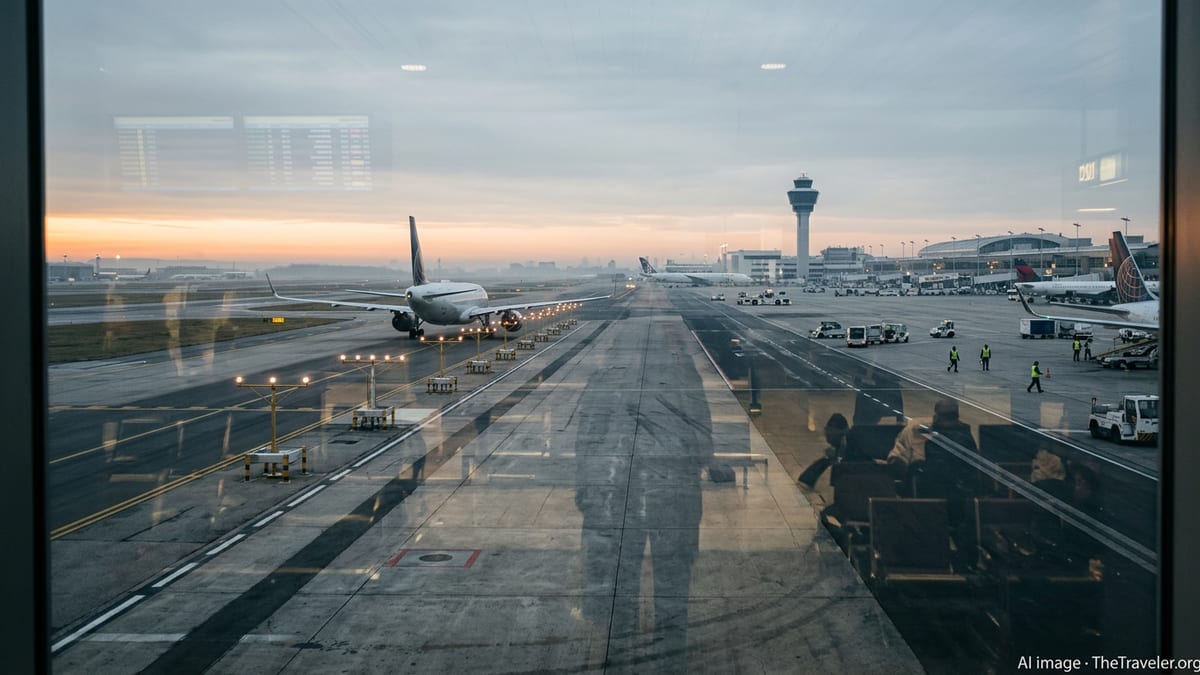
Major Hubs Grapple With Another Day of Turmoil
Frankfurt Airport and Munich Airport, Germany’s two busiest aviation hubs, are again experiencing significant operational strain. Flight-monitoring and passenger-rights platforms tracking services on May 13, 2026, indicate that a combined total of 18 departures were cancelled at the two airports, while hundreds more services faced extended delays throughout the day.
The latest figures suggest that approximately 485 flights have been delayed across the two hubs, reflecting knock-on effects from a mix of adverse weather patterns in Europe, congested airspace and recent industrial disputes that left airline schedules and crew rosters under pressure. The disruption has been concentrated in wave periods around peak morning and late afternoon departures, when even short ground stops can trigger rolling delays.
While the overall number of cancellations is modest compared with recent strike days, the sheer volume of late-running flights has led to missed connections and long queues at service desks, leaving many passengers temporarily stranded in terminals or forced to rebook for travel later in the week.
Operational data compiled on the day shows that the pattern of disruption at Frankfurt and Munich is consistent with wider instability across the global network this spring, in which localized shocks at key hubs have frequently cascaded into multi-airport delays.
Flag Carriers and Partners Among the Worst Hit
Publicly available schedules indicate that Lufthansa and its partner airlines have borne a significant share of the impact, reflecting the group’s dense hub-and-spoke operations in Frankfurt and Munich. As the dominant carrier at both airports, any disruption to its rotations can rapidly affect feeder flights, long-haul departures and inbound services waiting for aircraft and crew.
Data reviewed on May 13 shows cancellations and delays across a broad mix of Lufthansa-operated and codeshare flights, including regional routes and long-haul transatlantic services. United Airlines, which relies heavily on Lufthansa’s hubs for its joint-transatlantic network, has also been affected by delayed turnarounds and missed onward connections for passengers traveling between North America and destinations across Europe, the Middle East and Africa.
Leisure carrier Condor and regional affiliate Air Dolomiti, both of which operate multiple services linking secondary European cities through Frankfurt and Munich, appear in tracking lists among the airlines facing disruption. Smaller European and intercontinental carriers using the two hubs as transfer points for their own networks have also recorded late departures as they wait for inbound passengers and bags from delayed feeder flights.
According to published coverage of recent operational challenges, airlines are still working with tight staffing margins in 2026 after several years of restructuring, which can leave schedules vulnerable when adverse weather or air-traffic-control restrictions intersect with already stretched crew rosters.
Passengers Face Missed Connections and Overnight Stays
For travelers caught up in the disruption, the most immediate impact has been missed connections and uncertainty over onward journeys. With Frankfurt and Munich serving as major transfer points for Europe-wide and long-haul itineraries, even a short delay on an inbound flight can cause passengers to miss tightly timed connections, especially when remote stands and bus transfers add extra minutes to the process.
Reports from affected travelers on social platforms describe long lines at airline service counters in both airports, as passengers seek rebooking options, meal vouchers, and accommodation for overnight stays. Some travelers with long-haul itineraries have reported being rerouted through alternative hubs such as Zurich, Vienna or Amsterdam to reach their destinations after original connections through Germany fell apart.
Travel advisories published by passenger-rights organizations stress that rebooking options can vary significantly depending on the cause of the disruption, the airline operating the flight, and whether services are part of a single through-ticket. In some cases, travelers have been offered rail alternatives within Germany when short-haul feeder flights were unable to depart on schedule.
Given the scale of delays on May 13, airport terminals in both Frankfurt and Munich have seen increased demand for hotel rooms, power outlets, and quiet areas, as stranded passengers wait for updated departure times or newly arranged connections.
Complex Mix of Weather, Airspace and Structural Pressures
While precise causes vary flight by flight, publicly available operational data and recent analyses of Lufthansa’s network performance point to a complex mix of factors driving the latest wave of disruption. Spring weather systems moving across central Europe have periodically triggered air-traffic-control restrictions, slowing departures and arrivals and reducing the number of aircraft that can be handled per hour.
At the same time, airspace constraints and route adjustments linked to ongoing geopolitical tensions have placed additional pressure on certain European corridors, limiting routing flexibility for carriers attempting to make up lost time. When these bottlenecks combine with already congested peak hours at major hubs, even minor incidents can trigger a cascade of downstream delays.
Industry commentary over recent months has also highlighted lingering staffing and fleet challenges. Airlines and ground-handling providers in Germany have been rebuilding workforces after earlier waves of restructuring and industrial action, and several carriers are still operating with limited spare aircraft capacity. That can reduce the scope for swapping planes or crews when technical issues, sick calls or late inbound aircraft disrupt the timetable.
Observers note that Frankfurt and Munich have recorded multiple severe disruption events already this year, including large-scale strike actions that forced the cancellation of hundreds of flights in February and April. The latest combination of 485 delays and 18 cancellations, while smaller in absolute numbers, reinforces concerns among frequent travelers that reliability at the hubs remains fragile.
What Travelers Transiting Germany Should Do Now
Travel experts and passenger-rights groups advise that anyone with upcoming itineraries through Frankfurt or Munich over the next several days should closely monitor their booking status and allow additional buffer time for connections. Airline apps and airport departure boards typically provide the first indication of rolling delays, although during major disruption events these systems can lag behind gate-level decisions.
Published guidance suggests that travelers should keep essential items, including medications, chargers, and a change of clothes, in carry-on bags in case of overnight disruptions. Those with tight onwards connections may wish to explore voluntary rebooking to longer layovers or alternative routings where possible, particularly on itineraries involving separate tickets or non-allied carriers.
Across the European Union and associated countries, air passenger rights regulations provide specific entitlements when flights are significantly delayed or cancelled, including meal vouchers, hotel accommodation where an overnight stay is required, and in some cases financial compensation. Specialist advisory services note that eligibility depends on the cause of the disruption and the airline’s ability to demonstrate that events were outside its control.
With the latest wave of disruptions once again leaving hundreds of travelers sleeping in terminals or scrambling for last-minute hotels, consumer advocates expect renewed scrutiny of operational resilience at Germany’s largest airports, as well as the contingency planning of the airlines that depend on them as their primary hubs.