

More news on this day
After more than two decades criss-crossing Britain, CrossCountry’s Voyager trains are emerging from a £60 million refurbishment that promises to turn some of the network’s most tired long-distance workhorses into brighter, quieter and more comfortable inter-city performers.
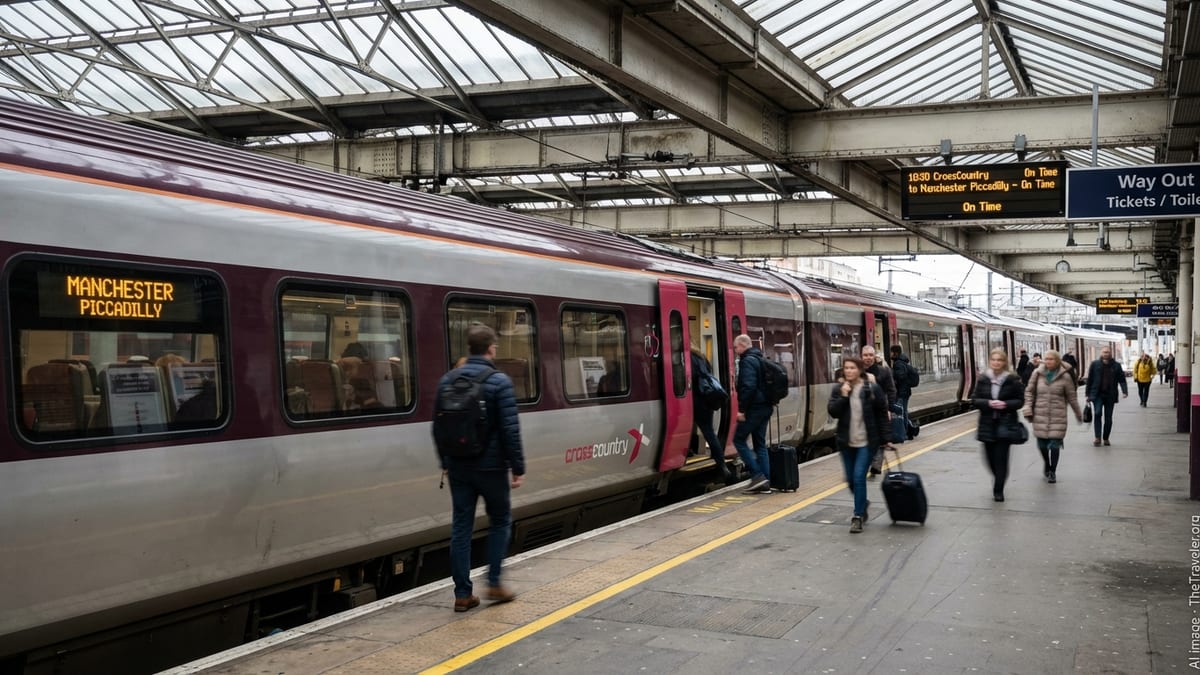
A Flagship Fleet Enters a New Era
The first fully refurbished Voyager set was unveiled at Alstom’s historic Litchurch Lane works in Derby in February 2026, giving industry guests and passenger groups an early look at what will soon be appearing on routes from Aberdeen to Penzance. The four-car Class 220 unit, which has already clocked more than 5.8 million miles in service, is the vanguard of a programme that will see all 70 Voyager and Super Voyager trains transformed over the next two years.
The project, funded by rolling stock owner Beacon Rail and delivered by Alstom for operator CrossCountry, covers 312 carriages across the diesel fleet. It sits within a wider £75 million investment in the trains and a long-term maintenance agreement that secures skilled UK rail jobs at depots in Derby and Staffordshire well into the next decade.
For passengers, the more important story is what they will see and feel on board. Long criticised for cramped seating, dated interiors and tired toilets, the Voyagers are being repositioned as a more premium long-distance option at a time when ministers and operators are under pressure to tempt motorists on to rail.
The first train is expected to re-enter service within weeks, with refurbished sets then appearing in increasing numbers on CrossCountry’s core inter-city corridors through 2026 and 2027 as each unit cycles through the works.
From Threadbare Carpets to Thoughtful Comfort
Step inside the refurbished Voyager and the most immediate change is visual and tactile. New seat designs in both standard and first class replace the firm, high-density cushions that passengers have complained about since the early 2000s. The updated seats offer improved legroom, reshaped headrests and better under-seat space for bags, addressing one of the most common gripes on busy services.
Table bays have been reworked with sturdier, easier-to-clean surfaces, while new carpets and refreshed wall panels lift what had become a notably gloomy interior. Subtle, more efficient LED lighting creates a brighter ambience without the harsh glare of older fittings, contributing to a calmer environment on long journeys.
Power provision has been brought into the smartphone era. Every seat now benefits from a combination of three-pin sockets and USB ports, including USB-C, doing away with the need for passengers to compete for a handful of communal outlets. On standard class tables, sockets are integrated into the tabletop edge, while in first class they are neatly tucked beside the wider armrests.
Toilets and vestibules, once a weak point on heavily used Voyagers, have been stripped back and rebuilt with new fixtures, brighter finishes and improved accessibility features. The upgrades aim to stand up better to heavy daily use on some of the UK’s longest through journeys, from the South West to the North East and from Manchester to the South Coast.
Smarter, Greener Trains for Busy Long-Distance Corridors
Behind the scenes, the refurbishment is also about making the Voyager fleet more data-driven and sustainable. New onboard CCTV and forward-facing cameras are being installed throughout the trains, along with automatic passenger counting equipment. Operators say these systems will help them understand real-world crowding patterns and tailor future timetables and train lengths more accurately to demand.
CrossCountry has already confirmed that from May 2025 it will introduce longer trains more often on key long-distance routes, helped by additional sets released from another operator and folded into the Voyager fleet. The refurbishment ensures that these extra trains arrive with the same upgraded interiors as the rest of the fleet, instead of importing yet more dated rolling stock into already busy corridors.
Environmental concerns have shaped aspects of the redesign. New seat components are specified to be highly recyclable, while lighter interior materials are expected to trim fuel consumption and associated emissions across the fleet’s intensive daily diagrams. That matters for a diesel-powered operator under pressure to improve its environmental performance while much of the network still lacks electrification.
The Voyager programme also supports the industrial ecosystem around Britain’s largest train factory. Around 130 Alstom staff are currently working on the refurbishment at Derby, backed by a domestic supply chain providing everything from fabrics to lighting. With Litchurch Lane marking its 150th anniversary in 2026, the contract helps bridge work between new-build orders and underpins regional manufacturing jobs.
Passenger Experience at the Heart of the Overhaul
For CrossCountry, the stakes are high. The operator has faced official scrutiny over performance and overcrowding in recent years, particularly on busy sections between Birmingham, Reading, York and Newcastle. Management has positioned the Voyager refurbishment as a visible commitment to doing better by passengers at a time of heightened political and public expectations.
By avoiding radical layout changes, the project focuses instead on making existing space more pleasant and practical. Grab handles and fittings have been redesigned for better accessibility and to ease movement of catering trolleys through crowded aisles. Updated interior branding and exterior livery aim to give a more consistent identity across the long-distance fleet, matching the refreshed Turbostar regional trains that are already entering service.
Industry observers note that the work also extends the useful life of a fleet originally built at the turn of the century. With large-scale replacement of diesel inter-city trains still some years away, refurbishment offers a faster way to improve day-to-day journeys while government and operators debate the longer-term shape of Britain’s rolling stock strategy.
As more refurbished Voyagers enter service through 2026 and beyond, passengers will be able to judge whether the investment has turned fatigue into renewal on some of Britain’s longest, and often most demanding, rail journeys.