

Few trips capture the imagination like a sun‑drenched journey across the Greek islands, boarding ferries at dawn and watching whitewashed villages rise from the sea. Greece has become one of the world’s leading island destinations, and island hopping features heavily in social media feeds and glossy brochures. But is stitching multiple islands together in a single itinerary truly worth the time, money and effort, or would you be better off staying put on one well‑chosen island? This guide weighs the romance against the realities to help you decide if a Greece island hopping trip is right for you.
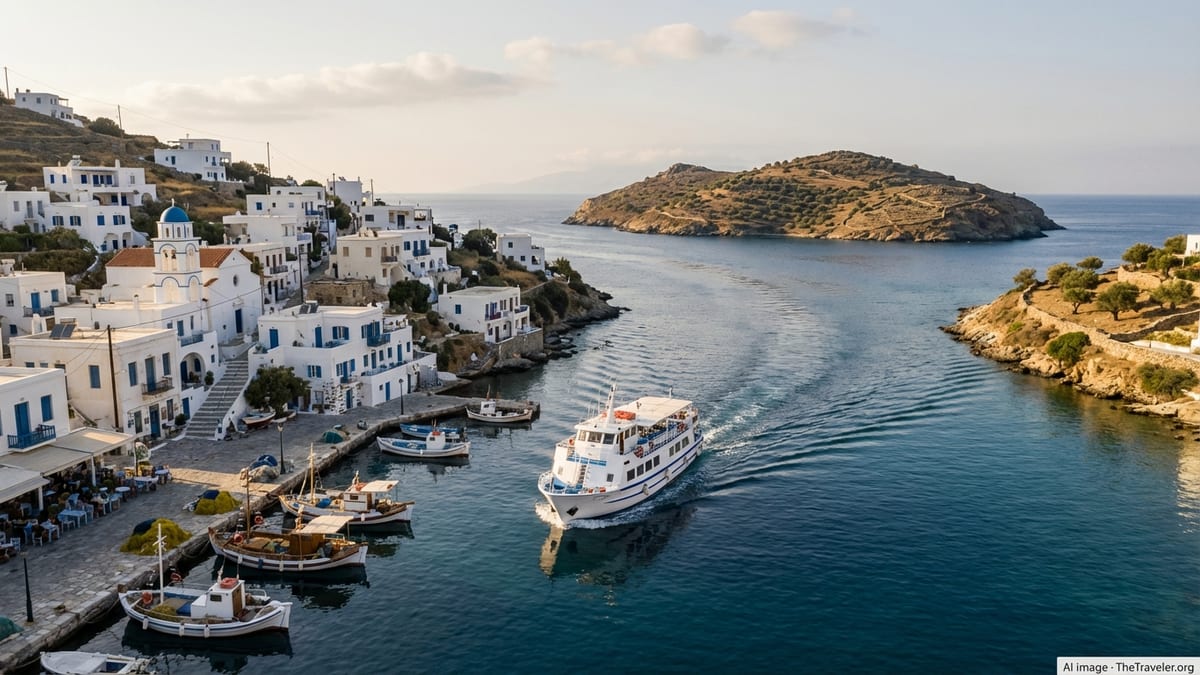
The Allure of Greek Island Hopping Today
Island tourism is now central to Greece’s appeal. Recent tourism data shows that the country welcomes well over 30 million international visitors a year, with a very high share heading to islands such as Crete, the Cyclades and the Ionian chain. These island regions consistently rank among Europe’s busiest coastal destinations, which speaks to their enduring draw: reliable sunshine, warm seas, atmospheric towns and easy access from major European airports.
For many travelers, island hopping feels like the purest way to experience this seascape. The very act of moving by boat, watching the horizon shift and stepping off into a new harbor every day or two, creates a sense of freedom and adventure that a single‑island stay cannot fully replicate. Instagram and TikTok have only intensified the dream, showcasing cliffside pools in Santorini, sunset bars on Mykonos and quiet coves on Naxos or Paros in a constant visual loop.
At the same time, Greece’s tourism map is changing. Traditional hotspots remain busy, but growth is now spread across a wider range of islands, including the Ionian islands such as Zakynthos and Corfu and parts of the Dodecanese. While this opens up new options for island hoppers, it also means that carefully choosing your route and timing has never been more important if you want to avoid spending your holiday in crowds and queues.
Island hopping is not a single fixed product. For some, it means two neighboring islands over ten days. For others, it is a fast‑paced circuit of four or five stops in two weeks. Whether the experience is magical or exhausting comes down to how you design it, what you expect from your trip and how much tolerance you have for logistics in pursuit of variety.
The Upsides: Variety, Freedom and Sea‑Level Slow Travel
The strongest argument in favor of island hopping is the sheer variety you can pack into a single trip. Within just one region, such as the Cyclades, you can combine a high‑energy party hub with a quiet, family‑oriented island and a wilder, more traditional place where time moves slowly. A route that moves from a headline island to lesser‑known neighbors allows you to see several faces of Greece in a relatively compact geography.
Island hopping also delivers a powerful sense of freedom. Ferries function as a lifeline for local communities, and travelers get to share that infrastructure, stepping into a daily rhythm that predates tourism. Sitting on deck as the boat pulls away from Piraeus or another port, sipping coffee while ferries weave between ferries and fishing boats, feels like classic slow travel in motion. Compared with jumping between airports, it is a more grounded, lower‑stress way to move, especially if you choose slower conventional ferries over the fastest high‑speed options.
Another advantage is flexibility. Many summer routes offer frequent services between popular clusters of islands. As a visitor, you can stay longer on places you love and keep other stops brief. With careful planning and point‑to‑point tickets, you can upgrade to more spacious ferries on longer crossings and save money on shorter hops where a basic seat is enough. For independent travelers and repeat visitors, this mix‑and‑match approach is part of the joy.
Finally, island hopping can be a thoughtful way to distribute your tourism footprint. Instead of contributing heavily to pressure on a single saturated hotspot, you can spend part of your time and money on less‑visited islands where tourism revenue is vital for small family businesses. When done with awareness of local conditions, this style of travel can support a more balanced regional economy.
The Downsides: Logistics, Costs and Ferry Fatigue
For all its romance, island hopping is not inherently relaxing. Every change of island involves packing up, checking out, getting to the port, waiting in the sun, boarding with luggage and repeating the process at the other end. Even when individual ferry crossings are short, the surrounding logistics can eat into valuable beach or exploration time. Travelers who crave a simple, unpack‑once holiday often underestimate how disruptive this rhythm can feel after the second or third move.
Costs also add up faster than many first‑timers expect. While individual ferry legs can be relatively affordable, booking several high‑speed routes in peak season quickly becomes expensive, especially for a family. Each island change usually requires at least a short taxi or transfer, and accommodation prices can spike dramatically on marquee islands in July and August. In recent years, local authorities and the national government have introduced and adjusted tourism‑related fees, particularly on cruise passengers and in high‑pressure destinations, signaling a broader trend toward paying more for access to popular places.
There is also the issue of reliability. Ferries in Greece form an extensive network, but wind conditions, especially the strong meltemi winds of summer in the Aegean, can disrupt schedules. While major routes are generally robust, smaller connections can be cancelled or rearranged at short notice, leaving travelers with unplanned extra nights or missed connections. For visitors with tight timelines or inflexible onward flights, a heavily stacked island chain increases exposure to these risks.
Over a two‑week period, three islands is often the upper sensible limit if you want a balanced holiday rather than a moving checklist. Pushing to four or five islands in that same window can make your trip feel like a race, with each island blurring into the next. For some travelers, especially families with children or older visitors, the logistical downsides outweigh the novelty of frequent changes in scenery.
Overtourism, Seasonality and the Changing Island Experience
Another key question when asking whether island hopping is worth it is what kind of atmosphere you are seeking. Some of Greece’s most photographed islands, such as Santorini, Mykonos and Zakynthos, now contend with intense seasonal crowding. Studies and industry reports highlight extraordinary densities of visitors relative to local populations on certain islands at the height of summer. On some days, overnight tourist stays and cruise visitors vastly outnumber residents, placing visible strain on narrow streets, water supplies and local services.
In response, authorities and local communities have begun experimenting with tools such as caps on daily cruise passenger numbers, higher visitor fees in peak months and public campaigns to encourage more sustainable travel patterns. While these measures aim to protect both residents and long‑term visitor appeal, they also signal that the era of consequence‑free mass tourism is shifting. Travelers may find stricter rules, timed entries or higher costs on some heavily marketed islands than in years past.
For island hoppers, crowding has practical implications. Peak‑season ferries to superstar islands can be fully booked well in advance, and accommodation prices rise accordingly. A harbor promenade that looks peaceful in spring photos may feel more like a festival ground in late July evenings. Queues for buses, taxis and even popular viewpoints can become a regular part of the daily routine. If your idea of island hopping centers on peaceful afternoons in quiet coves and aimless strolls through uncrowded villages, choosing both your islands and your travel month with care is essential.
The flip side is that shoulder seasons increasingly reward those who can travel in May, early June, late September or October. During these periods, ferries still connect major islands, but temperatures are gentler, crowds thinner and prices more forgiving. An island‑hopping route that might feel overwhelming in August can feel close to ideal in late spring, with locals having more time to chat and a sense of everyday life more visible beneath the tourist layer.
Who Benefits Most from an Island Hopping Itinerary
Island hopping is not a universal solution. It is particularly well suited to travelers who enjoy active, self‑directed trips and gain energy from planning routes, reading ferry timetables and tracking down good local food in each new port. Independent couples, groups of friends and solo travelers with flexible plans often thrive on this style, accepting occasional delays or changes as part of the adventure rather than as disruptions.
Return visitors to Greece are another group likely to benefit. If you have already experienced a classic single‑island or city‑plus‑island holiday and feel comfortable with local customs and infrastructure, adding a second or third island can deepen your understanding of regional differences. Moving between a Cycladic island and an Ionian island in one trip, for example, reveals striking contrasts in landscape, architecture and even food, which can be especially rewarding for culturally curious travelers.
On the other hand, travelers with very limited vacation time, small children or a strong preference for predictability may be better served by staying on one island and exploring nearby spots on day trips. A fixed base simplifies childcare, reduces packing and unpacking stress and allows you to settle into a routine more akin to temporary local life. Those who are highly sensitive to motion sickness or anxious about missing flights may also find multiple ferry legs more stressful than enjoyable.
Budget travelers need to make an honest calculation as well. While it is possible to design a cost‑conscious island‑hopping route by prioritizing slower ferries and avoiding peak‑price islands, combining several destinations almost always means splitting your spending across more accommodations and transfers. For some, concentrating funds on a longer stay in one mid‑priced island with day trips to nearby islets yields a richer and more relaxed experience than racing between headline names.
Building a Smart and Sustainable Island Hopping Route
If you decide that island hopping suits your style, the next question is how to make it both enjoyable and responsible. The most successful itineraries tend to cluster islands within a single region rather than leaping back and forth across distant groups. In the Cyclades, for example, shorter hops link major hubs with quieter neighbors. Similar patterns exist in the Ionian and Dodecanese groups, where groups of islands are served by regular routes that keep travel times manageable.
Working with the ferry network rather than against it is key. This means checking typical seasonal schedules well before booking flights, then designing your route to move in a logical line without backtracking to the same hub unless necessary. Where possible, open‑jaw flights into one major gateway and out of another reduce wasted time. Many travelers choose to start or end on a larger island with good connections, using smaller islands as the middle, most restful section of the trip.
Sustainability also deserves a place in your planning. Choosing fewer ferry legs, opting for conventional ferries where practical and traveling in shoulder seasons all reduce the intensity of your footprint. Spending time and money beyond the busiest harbor strips, supporting local family‑run guesthouses and tavernas and being mindful of water use on drought‑sensitive islands contribute to a more positive impact. In destinations that have publicly voiced concerns about overtourism, paying attention to local guidance and posted rules is a sign of respect as well as good travel sense.
Finally, build slack into your schedule. Leaving at least one buffer day before international flights, avoiding last‑ferry connections to critical legs and being emotionally prepared for weather‑related disruptions will help keep minor hiccups from becoming major crises. The Greek islands reward those who can surrender a measure of control and let the rhythm of the sea shape their days, but a little contingency planning remains essential.
The Takeaway
So, is a Greece island hopping trip worth it? For travelers who dream of variety, open horizons and the feeling of journeying through a living maritime culture, the answer is often yes. Moving between islands can transform a standard beach holiday into a narrative of changing landscapes and encounters, revealing just how diverse Greece’s archipelagos really are.
Yet island hopping is not automatically the superior choice. The very factors that make it appealing plentiful ferry routes, vibrant hotspots, iconic viewpoints also introduce complexity, higher costs and exposure to crowding and disruption. A rushed itinerary that squeezes too many islands into too few days can leave you with little more than tired legs and a blurred memory of ports and promenades that all look the same.
If your priority is deep relaxation, unhurried time in the sea and the chance to get to know one place beyond its postcard views, a single well‑chosen island with a couple of day trips may deliver more value than an ambitious multi‑stop route. On the other hand, if you relish movement, enjoy the puzzle of logistics and travel outside the very peak weeks where possible, a thoughtfully planned island‑hopping journey can be one of the most rewarding trips you take.
Ultimately, the worth of a Greece island hopping trip lies in alignment with your own travel style. Decide first what you want from your holiday: adventure or ease, variety or depth, spontaneity or simplicity. Then design your route and timing accordingly. When expectations and reality match, the experience of watching the Aegean or Ionian sunlight glint off the water as your ferry pulls into a new harbor can feel every bit as magical as it looks in the pictures.
FAQ
Q1. How many islands should I visit on a 10 to 14 day trip?
For most travelers, two or at most three islands in 10 to 14 days strikes a good balance between variety and relaxation. More stops mean more time spent packing, unpacking and waiting for ferries instead of enjoying beaches and villages.
Q2. Is island hopping in Greece very expensive?
It can be, but it does not have to be. Frequent high‑speed ferries, peak‑season travel and marquee islands push costs up quickly, while slower ferries, shoulder‑season dates and a mix of famous and more modest islands keep budgets in check.
Q3. Do I need to book all ferries in advance?
On popular routes in summer it is wise to book ahead, especially for high‑speed services and for travel around weekends. In shoulder seasons, you may find more flexibility, but checking likely schedules before finalizing accommodation is still important.
Q4. Is island hopping suitable for families with young children?
It depends on your children and your own tolerance for logistics. Many families enjoy two‑island itineraries with longer stays in each place. Very fast‑paced multi‑island routes can be tiring for younger kids due to early starts, heat and repeated transitions.
Q5. What is the best time of year to go island hopping in Greece?
Late May, June, September and early October often offer the best compromise of warm weather, operating ferry networks and reduced crowds. July and August have the widest schedules but also the highest prices and densest crowds.
Q6. Is island hopping environmentally responsible?
Any travel carries an environmental impact, but you can reduce yours by limiting the number of ferry legs, choosing conventional ferries when practical, traveling outside peak months and supporting local businesses that prioritize sustainability.
Q7. Can I island hop without renting a car?
Yes, especially on well‑served islands with good bus networks and compact main towns. However, on larger or more rural islands, renting a car or scooter for at least a day or two can help you reach quieter beaches and villages.
Q8. How risky are ferry cancellations and delays?
Weather, particularly strong summer winds, can disrupt schedules. Major routes are generally reliable, but you should avoid tight same‑day connections with international flights and allow extra time at the start and end of your itinerary.
Q9. Is it better to focus on one island group or combine different regions?
Focusing on a single island group usually makes trips smoother, with shorter ferry rides and fewer schedule complications. Combining distant regions is possible but requires more planning and often adds internal flights or long crossings.
Q10. Should first‑time visitors to Greece choose island hopping or one base?
First‑timers who crave a relaxed introduction may prefer one base with day trips, while confident travelers who enjoy planning and movement can have a memorable first visit with a simple two‑island hop designed around easy connections.