

Idaho has quietly transformed from a punchline about potatoes into one of the American West’s most intriguing destinations. With booming tourism in recent years, new national attention on Boise as a livable and creative city, and an outdoor playground that ranges from high desert to jagged alpine peaks, the Gem State is firmly on the travel map. Yet it still flies under the radar compared with neighboring Washington, Oregon, Montana, and Wyoming. So is Idaho actually worth visiting, and for whom does it make sense as a vacation choice?
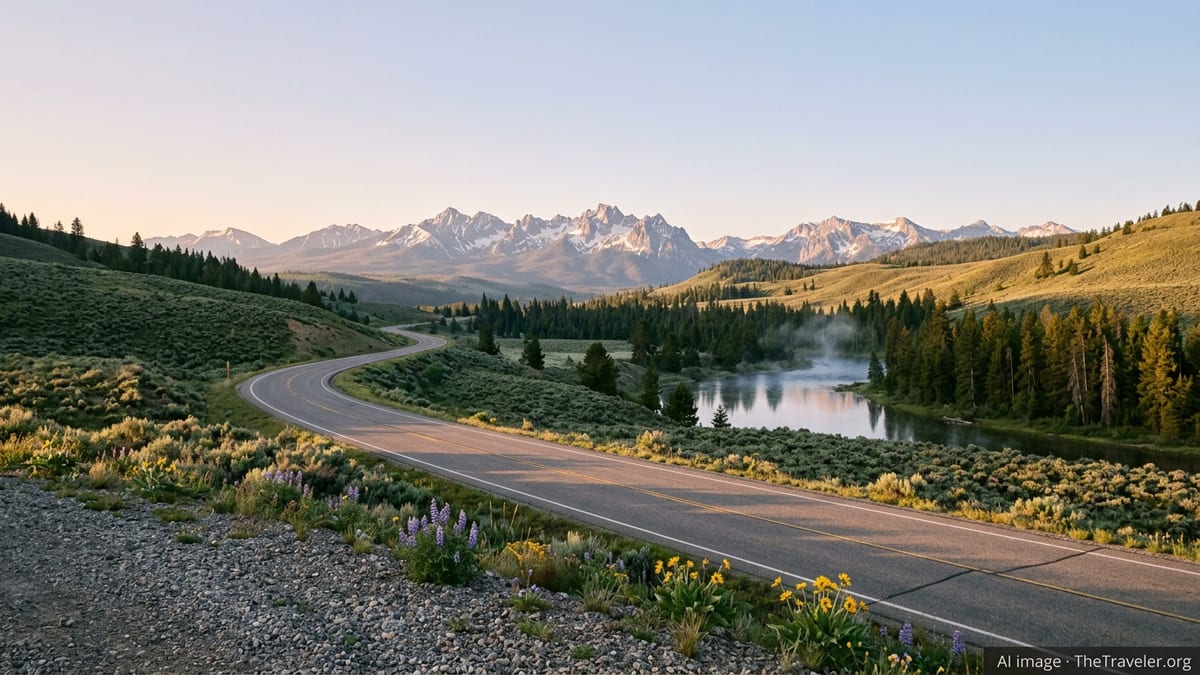
Idaho in 2026: An Underrated State on the Rise
Idaho tourism has grown steadily over the past decade as travelers look beyond crowded national park gateways and coastal cities. State reports show visitor spending increasing in recent years, supported by a mix of outdoor recreation, small-town tourism, and meetings and events. Southern Idaho alone welcomed hundreds of thousands of visitors to its national parks and monuments in 2023, bringing tens of millions of dollars into local economies. While growth has moderated after the pandemic-era boom, tourism remains a critical and expanding part of Idaho’s economy.
Boise, in particular, has emerged as a breakout city. National media and major travel publishers have highlighted the Idaho capital as an unexpected cultural hub with a blend of riverfront recreation, food and drink, and a strong sense of local identity. The city’s riverside greenbelt, historic neighborhoods, and active festival calendar have helped shift perceptions from flyover territory to weekend-worthy destination. At the same time, inland Northwest tourism forecasts point to continued, if modest, momentum through 2026, especially in North Idaho’s resort corridors.
For visitors, this growth has two clear implications. On the positive side, it means better infrastructure, from renovated downtown hotels and new restaurants to improved trailheads and visitor facilities in popular outdoor areas. On the challenging side, some of the state’s marquee sights are no longer secrets. Crowding at certain hot springs, lakes, or national recreation areas is now part of the conversation, especially in peak summer. Idaho is still far from the intensity of more famous Western hotspots, but “discover it before everyone else does” is no longer entirely accurate.
Despite that shift, Idaho retains a frontier feel. Much of the state is public land, and enormous areas see relatively light visitation compared with their scenic value. Travelers prepared to drive a bit farther, hike a bit longer, or visit outside July and August can still find the quiet river canyons, uncrowded trail systems, and sleepy farm towns that long-time Idaho fans love. In that sense, Idaho in 2026 is a destination in transition: more polished and popular than in years past, but still rough edged and wild at its core.
Why Idaho Is Worth Visiting: Major Pros
The single biggest reason Idaho is worth visiting is its outdoor recreation. The state’s nickname, the Gem State, refers not only to precious stones but also to hidden natural treasures. Travelers can raft wild stretches of the Salmon River, hike among glacier-carved Sawtooth peaks, ski deep winter snow at historic resorts, or soak in steaming hot springs beside snowy riverbanks. Idaho’s outdoor industry is now a major economic engine, with outfitters and guides supporting thousands of jobs and contributing hundreds of millions of dollars to the state economy, a testament to how central recreation has become.
Idaho’s variety of landscapes surprises many first-time visitors. The panhandle offers forested mountains and large lakes near Coeur d’Alene and Sandpoint, often compared to the alpine regions of neighboring states but with fewer people. Central Idaho is dominated by wilderness areas such as the Frank Church River of No Return, one of the largest roadless areas in the lower 48 states, while southern Idaho shifts to lava fields, desert canyons, and agricultural valleys. Destinations like Craters of the Moon National Monument, Bruneau Dunes State Park, and the Snake River canyon near Twin Falls illustrate how quickly the scenery can change within a few hours of driving.
Culture and food are also emerging strengths. Boise’s compact downtown has a walkable mix of breweries, coffee roasters, galleries, and performance venues. The city’s historic Basque community is one of the largest in the United States, and its Basque Block hosts regular festivals and restaurants where travelers can experience traditional cuisine and dance. Across the state, small towns increasingly celebrate local history, from mining heritage in places like Wallace to cowboy culture and tribal stories in rural communities and interpretive centers.
Finally, Idaho’s relative affordability compared with coastal cities and marquee national park towns is still a draw, even as prices have climbed alongside population growth. Lodging in secondary destinations, everyday dining, and activities like state park entry or museum visits often cost less than in more famous Western hot spots. For visitors who value value, space, and access to big landscapes without luxury-level price tags, Idaho can deliver a high experience-to-cost ratio.
The Downsides: Challenges, Tradeoffs, and Honest Cons
Idaho is not the right fit for every traveler, and understanding its drawbacks is essential before you book. One of the most significant challenges is distance and logistics. Major airports are limited, with Boise the primary hub, and many of the state’s most scenic regions lie several hours’ drive from any major city. Public transportation is minimal outside a few urban corridors, so visitors almost always need a car, and in winter or early spring, that often means driving in snow and ice conditions that some travelers may find intimidating.
Another factor is seasonality. The same mountains, rivers, and lakes that make Idaho spectacular can also render it less accessible at certain times of year. Heavy snow closes mountain passes, trailheads, and backcountry roads well into spring. Some resorts and small-town businesses operate on strongly seasonal calendars, opening only for ski season or summer tourism. Travelers arriving in the shoulder seasons of late fall or early spring may find limited dining hours, closed attractions, or weather that makes hiking and camping less appealing, even if room rates are attractive.
Crowding, while modest compared with places like Yellowstone or Yosemite, is a growing pressure point, and it does show up as a con for some visitors. Iconic hot springs, popular lakes, and easily accessed viewpoints near Boise, Coeur d’Alene, or along the Snake River can feel busy on summer weekends or holidays. Parking lots fill, lines form for boat ramps, and the sense of solitude many travelers expect from rural Idaho can be harder to find without planning. In response, state and local agencies continue to experiment with messaging, infrastructure, and, in some cases, limited capacity to protect fragile areas.
Lastly, travelers should be aware of cultural fit. Idaho is a predominantly rural and politically conservative state outside a few urban pockets. Most visitors experience only friendliness and hospitality, but LGBTQ+ travelers, travelers of color, or those who feel more comfortable in highly diverse, progressive environments may prefer to stay in larger cities like Boise or more tourism accustomed towns. As in any destination, being aware of local norms, respectful of land use and tribal sovereignty, and attentive to current events helps travelers navigate comfortably.
Signature Experiences: What Idaho Does Best
Idaho’s most distinctive experiences revolve around water, mountains, and night skies. Multi day river trips on the Middle Fork or Main Salmon Rivers are often described as once in a lifetime adventures, combining whitewater, beach camping, hot springs, and remote canyon scenery. Permits can be competitive and outfitted trips are not cheap, but for visitors seeking true wilderness without carrying a backpack, Idaho’s wild rivers are among the top draws in the American West.
In the mountains, destinations like the Sawtooth Range near Stanley, the Bitterroot and Clearwater ranges in north central Idaho, and the Selkirks in the far north offer rugged hiking, backpacking, and climbing. Trails vary from family friendly lakeside walks to serious multi day routes such as sections of the Idaho Centennial Trail, which traverses much of the state. Alpine lakes, wildflower meadows, and high passes reward those willing to work for views, while lakefront resort towns provide easier going access to boating, fishing, and short nature trails.
Winter brings a different set of highlights. Idaho’s ski industry ranges from well known resorts to locals only hills with strong community roots. Areas on the Idaho Montana border, the Boise foothills, and in central Idaho provide downhill skiing, snowboarding, and Nordic networks with generally smaller crowds than marquee Rocky Mountain destinations. As spring approaches, many resorts extend their calendars with late season weekends, while surrounding national forests remain a playground for snowshoeing and snowmobiling.
After dark, several Idaho parks and remote communities emphasize stargazing. Locations such as Bruneau Dunes State Park and central Idaho’s dark sky preserves are known for exceptionally clear, low light pollution skies. Visitors can peer through observatory telescopes, photograph the Milky Way arching above volcanic landscapes, or simply lie back by a campfire and watch meteors streak overhead. For travelers from big cities, the sheer number of visible stars can feel like an experience in its own right.
Boise and Beyond: Urban Culture in a Rural State
Boise anchors most itineraries because it blends an approachable urban experience with easy access to nearby nature. The city’s downtown core, framed by foothills to the north and the Boise River running through the center, feels compact and human scaled. Cycling or walking the Boise River Greenbelt, visiting the state capitol, exploring the Basque Block, and sampling local coffee and craft beer are all straightforward within a long weekend. The city’s arts scene includes murals, small galleries, live music venues, and seasonal events that give Boise a creative energy often surprising to first time visitors.
Urban travelers will also find food and drink culture evolving quickly. Farm to table restaurants highlight regional products from potatoes and trout to wine from nearby Snake River Valley vineyards. Breweries and cideries cluster in walkable districts, and food halls and markets showcase local purveyors. Prices remain generally lower than coastal metropolitan centers, though the most in demand venues can feel as busy and polished as in any mid sized American city.
Beyond Boise, smaller communities each bring their own character. Coeur d’Alene mixes a lakeside resort feel with a traditional main street and is popular with families for its beaches, boat tours, and nearby bike paths. Sandpoint, set on the shores of Lake Pend Oreille, leans slightly more bohemian, with independent shops, music events, and a ski mountain rising above town. In central Idaho, Ketchum and Sun Valley retain their heritage as one of America’s original destination ski areas while adding galleries and upscale dining, whereas Stanley and McCall feel more like classic rustic lake and river towns.
These urban and small town stops matter because they round out an Idaho trip that might otherwise be all trailheads and campsites. Travelers interested in architecture, local history museums, or simply a good coffee after several days of camping will find that Idaho’s communities have invested in amenities without completely losing their sense of place. For many visitors, the interplay between town and wilderness is what makes the state compelling.
Practicalities: Costs, Seasons, and Getting Around
From a budgeting standpoint, Idaho generally sits in the mid range for US domestic travel. Lodging in Boise and resort towns can approach big city rates in peak summer or winter, but shoulder season deals are common, and more rural areas offer motels, cabins, and vacation rentals at moderate prices. Camping on public lands remains an excellent value when sites are available. Dining costs vary widely, with upscale restaurants in tourism hubs but plenty of diners, taco shops, and cafes serving filling meals at modest price points throughout the state.
Seasonal timing strongly shapes the experience. Summer, from roughly late June through early September, is peak season for hiking, lake trips, and road tripping, with warm days, cool nights in the mountains, and the widest range of open facilities. However, wildfire smoke from regional fires can sometimes affect air quality and views in late summer, as in much of the interior West. Fall offers crisp air, changing larch and aspen colors in the mountains, fewer crowds, and still usable trails at lower elevations, though snow can arrive early at higher passes.
Winter, typically December through March, is best for ski focused trips, hot spring soaks in snowy landscapes, and cozy small town stays. Conditions and road closures vary significantly year to year, so visitors should check current forecasts, chain requirements, and resort operations before driving into mountain areas. Spring can be a patchwork of mud, lingering snow, and blossoming valleys, making it a quieter but less predictable time. For many first timers, late June, September, or early October provide the best balance of access, weather, and crowd levels.
Transportation requires some planning. Most travelers fly into Boise or, for North Idaho, nearby airports in neighboring states, then rent a car. Driving distances can be long, and fuel stops may be sparse in remote stretches, so a full tank and offline maps are wise. Cell coverage drops off quickly in canyons and mountains, and winter driving demands particular caution with changing conditions. For visitors comfortable with road tripping, these factors add to the sense of adventure. For those who prefer to rely on trains, buses, and rideshares, Idaho can feel more challenging than coastal or urbanized destinations.
Who Will Love Idaho, and Who Might Not
Idaho is most rewarding for travelers who value nature, space, and low key authenticity over spectacle and nightlife. Outdoor enthusiasts of all levels, from families looking for easy lake days to experienced backpackers seeking remote routes, will find more options than they can fit into a single trip. Photographers, anglers, and stargazers will appreciate the combination of dramatic landscapes and relatively low light pollution. Road trip fans who enjoy long drives punctuated by small town stops and viewpoints will likely leave with a sense that they only scratched the surface.
It is also a strong fit for travelers who enjoy discovering emerging cities rather than visiting global capitals. Boise’s scale makes it approachable for visitors who might feel overwhelmed in New York or Los Angeles but still want galleries, good coffee, and live music. Couples and groups who like to mix a few nights out in a city with several days in nature will find that Idaho delivers that combination without high profile, high density crowds.
On the other hand, Idaho is less ideal for visitors seeking a pure beach vacation, luxury shopping, or a dense lineup of world famous museums and attractions. While there are sandy lake shores, they do not replicate a tropical coastline, and cultural offerings are those of a largely rural, small city state rather than a major global hub. Travelers who dislike driving, prefer to rely on public transit, or feel uneasy with remote settings may find Idaho stressful rather than relaxing.
For international visitors using limited vacation time, Idaho typically makes the most sense when combined with neighboring states on a broader American West itinerary. Linking Boise, central Idaho, and North Idaho with drives to Yellowstone, Glacier, or the Pacific Northwest can create a rich, varied route. For repeat travelers to the United States looking for less obvious choices, however, Idaho can absolutely stand on its own as a primary destination, provided expectations align with what the state does best.
The Takeaway
So is Idaho worth visiting? For many travelers, the answer is yes, provided they are drawn to nature, open roads, and emerging city culture rather than iconic landmarks and heavily produced attractions. The state’s rapid tourism growth, rising profile of Boise, and strengthening outdoor industry reflect the fact that more visitors each year are discovering its appeal. At the same time, enormous areas of public land, quiet rural valleys, and lightly developed recreation sites keep Idaho from feeling overrun compared with more famous Western destinations.
The key to a satisfying Idaho trip is matching your style to the place. If you are excited by the idea of hiking to alpine lakes, soaking in hot springs, skiing under bright winter sun, or wandering a mid sized downtown with strong local identity, Idaho will likely exceed expectations. If you would rather ride subways between landmark museums, shop international luxury brands, or rely on rideshares and walkable density for your entire stay, it may not be the best fit.
Viewed objectively, Idaho offers strong value, distinctive landscapes, and a travel experience that still feels more local than mass market in many regions. It is not perfect and not for everyone, but for the right traveler, it delivers the sense of discovery that many people now struggle to find in more mainstream destinations. With realistic planning, flexible timing, and a willingness to embrace long drives and shifting weather, Idaho can be a memorable and worthwhile addition to any traveler’s list.
FAQ
Q1. Is Idaho safe for tourists?
Overall, Idaho experiences relatively low violent crime rates compared with many US states, and most visitors have uneventful trips. As with any destination, use standard urban and outdoor safety precautions, especially when driving mountain roads, recreating on rivers, or exploring remote areas without cell coverage.
Q2. What is the best time of year to visit Idaho?
The best time depends on your interests. Late June through September is ideal for hiking, lakes, and road trips, while December through March suits ski and snow based travel. Many visitors find September and early October offer a sweet spot of pleasant weather, active wildlife, fall colors, and fewer peak season crowds.
Q3. Do I need a car to visit Idaho?
In most cases, yes. Outside Boise and a few resort towns, public transportation is limited and attractions are spread out. Renting a car makes it far easier to reach trailheads, lakes, hot springs, and small towns. If you prefer not to drive, consider guided trips based out of a single hub like Boise or a ski resort.
Q4. Is Idaho expensive compared with other Western states?
Idaho is generally more affordable than high profile destinations like parts of California, Colorado, or Wyoming, especially for everyday dining and lodging in smaller communities. However, prices in popular resort towns and during peak season can still be significant, and guided river trips or ski vacations can quickly add up.
Q5. What are some must see places for first time visitors?
Common first time highlights include Boise and its riverfront greenbelt, the Sawtooth Mountains near Stanley, lake towns such as Coeur d’Alene or Sandpoint, and unique landscapes like Craters of the Moon or Bruneau Dunes. The exact mix depends on your season and whether you prioritize hiking, lakes, skiing, or road tripping.
Q6. How many days do I need to see Idaho properly?
If you focus on one region, such as Boise and nearby mountains or the panhandle lake district, four to six days is a comfortable window. To stitch together multiple regions into a loop including central and northern Idaho, one to two weeks allows a more relaxed pace with time for hikes, town visits, and driving between areas.
Q7. What should I pack for an Idaho trip?
Pack layers, even in summer, since temperatures can swing between hot afternoons and cool nights, especially in the mountains. Sturdy walking or hiking shoes, sun protection, a rain jacket, and a warm layer for evenings are essential. In winter, waterproof outerwear, traction appropriate footwear, and, for drivers, familiarity with winter gear such as tire chains are important.
Q8. Is Idaho a good destination for families?
Yes, many families find Idaho an excellent choice thanks to safe communities, kid friendly hikes, lakeside beaches, accessible hot springs, and small museums or science centers in cities. Family friendly ski areas, tubing hills, and beginner trails make winter trips viable as well. Parents should still plan carefully for drive times, weather, and water safety.
Q9. How crowded are Idaho’s popular sights?
Idaho’s marquee areas can feel busy on summer weekends, holidays, or during major events, especially close to Boise or around major lakes and national recreation areas. However, crowding is generally far less intense than in the most famous national parks. Visiting on weekdays, starting activities early, and exploring lesser known state parks or trails can significantly reduce congestion.
Q10. Can I combine Idaho with other nearby destinations on one trip?
Yes, many travelers connect Idaho with neighboring states such as Washington, Oregon, Montana, Utah, or Wyoming. Common itineraries link Boise and central Idaho with Yellowstone, or North Idaho with Glacier National Park or the Pacific Northwest coast. Building a loop allows you to experience Idaho’s quieter feel alongside more iconic national parks and cities.