


More news on this day
Fresh updates from the United Kingdom and other governments are reshaping perceptions of travel to Bahrain, as missile threats, regional tensions and temporary airspace closures prompt stricter official advice and renewed questions over whether leisure trips should go ahead.
Get the latest news straight to your inbox!
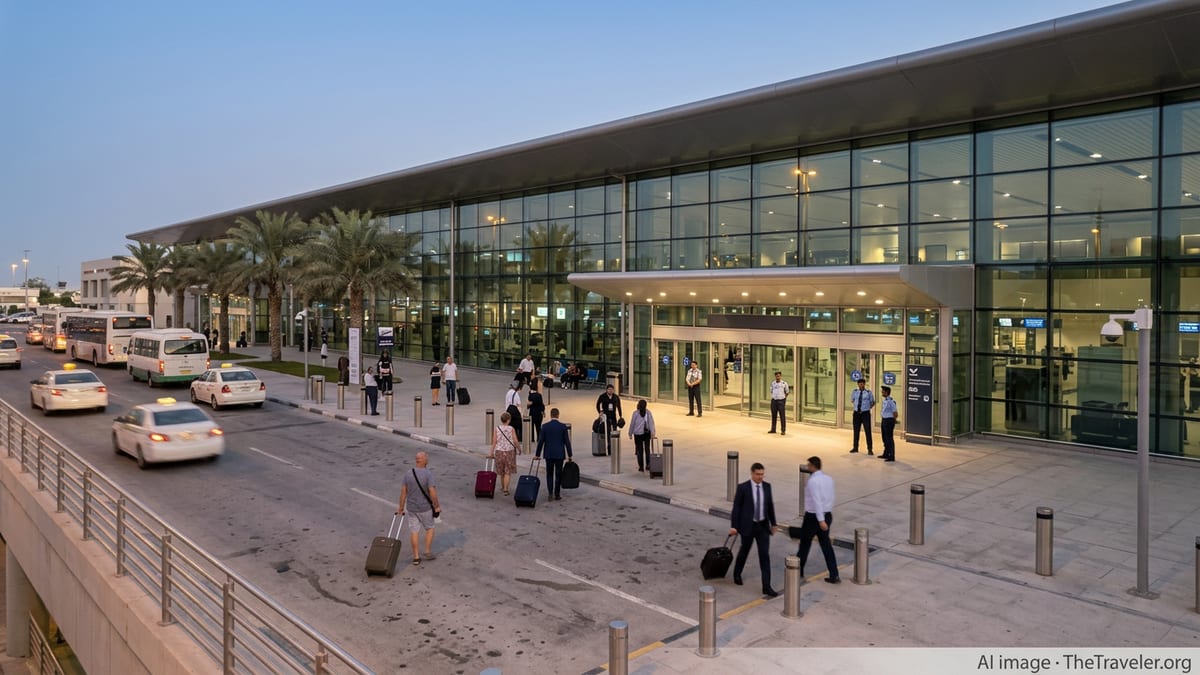
Foreign Office shifts to ‘all but essential travel’ warning
Updated guidance from the UK Foreign, Commonwealth and Development Office in mid June advises against all but essential travel to Bahrain, significantly hardening its stance compared with earlier in the year. The destination now appears alongside several Gulf states on lists of locations where non essential trips are discouraged, reflecting heightened security concerns and the potential for rapid changes in the local situation.
The formal change means UK officials now judge that safety and operational risks for ordinary visitors have risen to a level where holidays and discretionary trips are not recommended. While the advice is not a legal ban, it carries considerable weight for airlines, tour operators and insurers, many of which use the Foreign Office scale as a key benchmark when deciding whether to operate or to cover travel.
Insurance providers and travel companies are already echoing the tougher government line. Recent industry updates summarising the Middle East situation highlight Bahrain among destinations where the Foreign Office currently advises against all but essential travel, warning that standard travel insurance may no longer apply if customers choose to go regardless of official guidance.
The Foreign Office also emphasises that its assessment is under frequent review. Travellers with existing bookings to Bahrain are being urged, via publicly available information, to monitor the official Bahrain country page closely in the days leading up to departure and to stay in contact with their airline or tour operator about any schedule changes.
Security context: missile threats and regional escalation
The tougher advisory comes against a backdrop of regional escalation involving Iran and several Gulf and neighbouring states. Reports of missile and drone attacks targeting or involving countries across the Gulf have raised concerns about potential spillover risks for civilian aviation and critical infrastructure, even though Bahrain itself has not seen a large scale attack in recent weeks.
Publicly available diplomatic summaries from the UK and international organisations describe recent incidents as part of a broader pattern of confrontation in which Bahrain, Kuwait, Qatar, Saudi Arabia, Jordan and the United Arab Emirates have all faced some level of threat. Analysts note that while most strikes have been intercepted or contained, the possibility of miscalculation, debris or unsuccessful interceptions has contributed to the reassessment of travel risk.
In parallel, independent risk consultancies tracking the Middle East have upgraded their overall security ratings for Bahrain for 2026, citing a more volatile regional environment. Their assessments stress that foreigners are not generally targeted directly but may be affected by disruption to air routes, sudden curfews, or restrictions on movement if tensions flare.
International aviation briefings released since March point to periods when airspace over or near Bahrain has been partially restricted because of nearby conflict activity. While such closures are often precautionary and short lived, they can trigger diversions, longer flight times and, in certain cases, cancellations that leave travellers temporarily stranded or facing complex rebooking arrangements.
On the ground: terrorism risk, curfews and public order
Beyond regional missile threats, Bahrain’s own security profile features prominently in current travel advisories. The UK safety and security summary for the country states that terrorists are likely to try to carry out attacks, and that previous incidents involving explosive devices in public places have caused deaths and injuries, even though no successful attack has been recorded for several years.
Current guidance notes that attacks could be indiscriminate and may include locations frequented by foreigners, such as shopping areas, hotels and large public events. Travellers are encouraged by official resources to stay alert to their surroundings, avoid demonstrations and large gatherings, and follow any local announcements that may affect access to particular districts or venues.
There are also specific operational restrictions that visitors need to understand. Official UK advice highlights a curfew on the waterways around Bahrain from early evening until early morning, a measure that can affect private boat trips and some leisure activities. Those planning to use local ferries, pleasure cruises or water sports are advised to confirm schedules and permitted operating hours before travel.
Public order considerations remain part of the risk picture. Background reports point to the possibility of low level protests or politically sensitive anniversaries drawing gatherings that may be accompanied by a visible security presence. While most foreign travellers are not directly involved, they may face short notice road closures, identity checks or disruptions to public transport if unrest coincides with their stay.
How other countries are advising about Bahrain
The United Kingdom is not alone in reassessing travel to Bahrain in light of the current regional environment. On 17 June, the Australian government announced that its travel advice for Bahrain had shifted from a highest level “Do not travel” rating to a slightly lower “Reconsider your need to travel” category, indicating that while the risk is still judged to be significant, it no longer meets the strictest threshold in its system.
The Australian Department of Foreign Affairs and Trade frames this move as a response to updated security assessments while stressing that conditions in Bahrain and neighbouring states could deteriorate rapidly with little warning. The message to Australian travellers is that trips should proceed only after careful consideration of personal risk tolerance, contingency plans and the availability of flexible bookings.
In the United States, recent regional alerts have also urged heightened caution for travellers heading to Gulf destinations including Bahrain. A mid June summary of State Department guidance referenced increased risk related to security conditions, potential aviation disruption and evolving geopolitical tensions, underscoring that advisory levels across the Middle East are being refreshed more frequently than usual.
Non government resources aggregating multiple national advisories currently reflect a broadly similar picture. Composite risk maps for 2026 classify Bahrain as subject to elevated concern compared with pre crisis years, often grouping it with other Gulf states where travel is still technically possible but subject to strong warnings and restrictions, especially for tourism.
Practical implications for travellers and bookings
For travellers who already hold tickets or packages to Bahrain, the key practical question is how the new Foreign Office position interacts with insurance and refund policies. Travel insurers commonly treat official advice against all but essential travel as a trigger that can void cover for new bookings, and in some cases for trips that go ahead despite the warning. Policy summaries from UK based providers reviewing the Middle East conflict stress that customers should check whether their plan remains valid before deciding to travel.
Airlines and tour operators may handle Bahrain on a case by case basis, depending on how long the stricter guidance remains in place and whether airspace restrictions persist. Some carriers are offering fee free date changes or credits for affected routes within the region. Package holiday companies that rely heavily on UK government advice when assessing destination safety may cancel departures altogether while the “all but essential travel” status applies.
Public information suggests that travellers who nevertheless need to travel to Bahrain for essential reasons should take additional precautions. These can include registering their presence with their home government, ensuring that emergency contact details are up to date, and building extra time into itineraries in case of last minute flight changes. Many embassies also recommend keeping digital and physical copies of key documents, such as passports and insurance certificates, in separate locations.
For leisure travellers still at the planning stage, the message from current official and industry guidance is to consider postponing or redirecting trips to destinations not subject to comparable warnings. With risk levels being reassessed frequently, would be visitors to Bahrain are advised to keep monitoring updates in the coming weeks to see whether the security outlook and associated travel advice begin to stabilise.