


More news on this day
Twelve people were injured when a work train used to clean debris in subway tunnels caught fire at the Astor Place station in Manhattan, disrupting weekday service on the 6 line and sending smoke through parts of the station, according to published reports from New York news outlets and public transit alerts.
Get the latest news straight to your inbox!
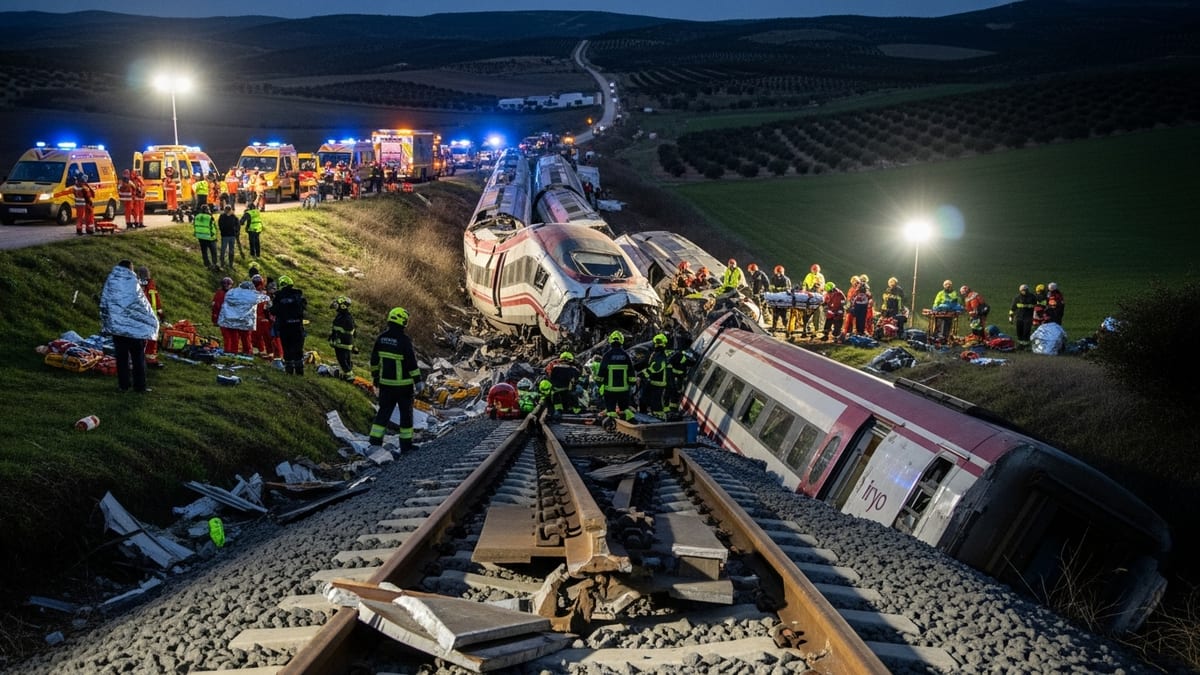
Vacuum Work Train Blamed for Midday Station Fire
Publicly available coverage indicates the incident began when a specialized vacuum train used for track cleaning caught fire while positioned in the Astor Place station on the Lexington Avenue Line in Lower Manhattan. The train is part of the Metropolitan Transportation Authority’s maintenance fleet and is designed to remove trash and debris from tracks and roadbeds.
Reports from local television and online news organizations describe flames and heavy smoke originating from one of the train cars. Images shared by those outlets show firefighters working from the platform level and inside the affected train, with several subway riders standing back as emergency responders moved equipment into the station.
According to those reports, fire crews from the Fire Department of the City of New York brought the situation under control after extending hose lines into the station and ventilating smoke. The fire prompted a significant emergency response, with multiple fire companies and emergency medical units directed to the busy transit hub.
Astor Place, which sits beneath the intersection of Lafayette Street and Astor Place near the East Village and NoHo, is a key stop on the 6 line and typically experiences heavy foot traffic during weekday daytime hours from commuters, students and visitors.
Twelve People Treated for Injuries and Smoke Exposure
Initial tallies cited in regional news coverage indicate that twelve people were reported injured in connection with the fire. The injuries were described as non-life-threatening and appeared to include smoke inhalation and minor trauma associated with the rapid evacuation and emergency response.
Emergency medical personnel evaluated multiple passengers and transit workers at street level near the station entrances. Several individuals were transported to nearby hospitals for additional observation and treatment, according to information summarized in local reports.
FDNY incident data and statements relayed through news outlets suggest that the injuries occurred both on the platform and within the immediate station area as riders reacted to smoke and followed instructions to leave the station. There were no immediate reports of structural damage to the station itself beyond the affected work train and equipment.
As of the latest updates available from regional coverage, there were no indications of fatalities, and the conditions of those transported were expected to improve following medical care.
Service Disruptions Ripple Across the Lexington Avenue Line
The fire caused significant delays along the 6 line as the MTA temporarily removed power to the tracks in the affected area and rerouted trains. Real-time transit alerts and rider reports showed uptown and downtown service operating on modified routes while the incident was under investigation and the damaged train was removed from the station.
Some 6 trains bypassed the Astor Place stop entirely, while others were rerouted to run express between Brooklyn Bridge–City Hall and 14 Street–Union Square, according to alert summaries compiled by transit observers. Passengers were advised to expect residual delays even after the fire had been extinguished, reflecting congestion and limited track capacity through the corridor.
In a system where weekday ridership has been gradually climbing back after pandemic lows, a disruption at a central Manhattan station can quickly have network-wide effects. Crowding on platforms at nearby stops such as Union Square and Bleecker Street was reported as riders sought alternate routes.
Publicly available guidance from city agencies encouraged anyone sensitive to smoke to avoid the immediate area while ventilation fans cleared the station and surrounding streets of residual haze.
Safety Questions for Work Trains and Underground Operations
The incident adds to a series of recent track fires and smoke conditions in the New York City subway that have raised questions about debris management, equipment maintenance and emergency response in confined underground environments. While most track fires are typically linked to trash on the roadbed or electrical issues, this episode involved a maintenance train that is intended to reduce such hazards.
Transit advocates and local commentators have pointed to the event as a reminder of the complexity of operating heavy machinery in older stations like Astor Place, which opened in 1904 and features tight clearances, narrow platforms and limited egress compared with newer facilities. Any malfunction involving specialized equipment in such settings can quickly affect large numbers of passengers.
Documents and hearings related to fire and emergency management in New York have highlighted the particular challenges of subway incidents, including smoke movement through tunnels, restricted access for firefighting units and the need for rapid coordination between train crews, system dispatchers and municipal responders.
In the wake of the Astor Place fire, transportation analysts are likely to focus on whether additional safeguards, inspections or training measures could reduce the risk of similar incidents involving maintenance trains and other non-revenue equipment operating during passenger service hours.
Travelers Urged to Monitor Alerts and Plan Around Disruptions
For travelers and visitors relying on the Lexington Avenue Line, the Astor Place incident underscores the importance of monitoring real-time alerts and considering backup routes when moving through Manhattan. When a station experiences a fire or track issue, the MTA often shifts trains to express tracks, bypasses stops entirely or briefly suspends service while inspections are completed.
Riders heading to destinations around Astor Place, the East Village and NoHo may find it useful to plan alternate walks from nearby stations such as Union Square, Bleecker Street or Broadway–Lafayette in the event of future disruptions. Street-level congestion can also occur when large numbers of passengers are directed out of stations at once.
Travel safety guidance from city agencies typically emphasizes remaining calm in emergencies, following public-address instructions, and moving promptly but carefully toward exits when smoke or unusual conditions are observed. The relatively limited injuries in the Astor Place incident, compared with the potential scale of the disruption, may reflect the effectiveness of rapid evacuations and coordinated emergency procedures.
As service patterns normalize, Astor Place is expected to resume its role as a busy gateway to downtown neighborhoods, while investigators and transit planners review data from the incident to refine safety practices for both riders and maintenance crews.