

Japan has a reputation as one of the safest and most orderly countries on earth. For many visitors, the most surprising part of a trip to Tokyo, Kyoto, or Osaka is not the neon, the cuisine, or the temples, but the everyday sense of calm: children riding trains alone, lost wallets returned intact, and streets that feel comfortable to walk late at night. Yet any destination involves some risk. From nightlife scams to powerful earthquakes, travelers are right to ask a clear question: is Japan safe for tourists today, and what should you realistically watch out for?
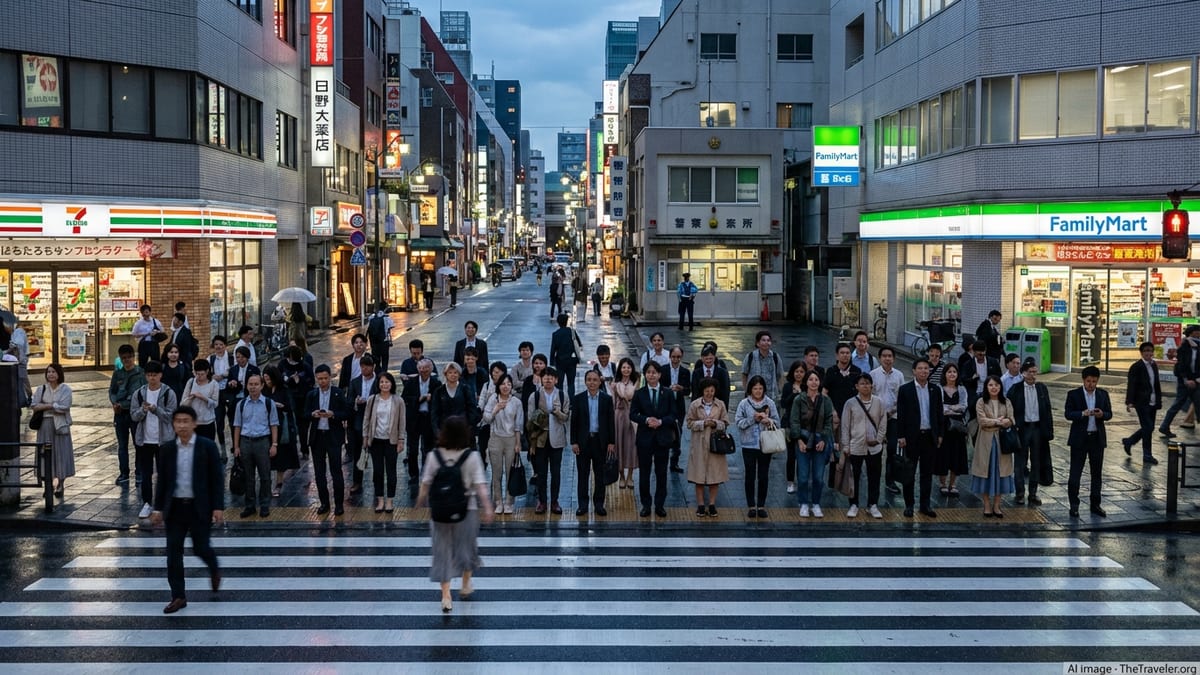
How Safe Is Japan Overall for Visitors?
By global standards, Japan remains one of the lowest crime destinations for international tourists. The overall safety environment is reflected in how locals go about their daily lives, from commuters using crowded trains to schoolchildren walking unaccompanied to and from school. Violent crime against strangers is rare, gun crime is extremely limited under strict firearm laws, and most visitors complete their trip without experiencing any serious incident.
Government data shows that reported crimes have risen modestly in recent years after a long period of decline, largely due to thefts and fraud rather than violent offenses. Experts in Japanese crime trends note that even with this uptick, levels remain low compared with many industrialized countries. For travelers, the practical takeaway is that routine street crime exists but is less common and less aggressive than in many other popular tourism destinations.
The United States government currently rates Japan as a destination where travelers are advised to exercise normal precautions, which is its lowest overall risk category. While no rating can ever guarantee safety, it is a useful shorthand that Japan is not seen as a high risk location for terrorism, civil unrest, or widespread violent crime. Most problems tourists encounter are localized and avoidable with basic awareness and preparation.
That said, the perception of total safety can sometimes lull visitors into carelessness. Bags left briefly unattended can still be taken, alcohol can lower inhibitions in nightlife districts, and natural disasters remain a real concern. Treat Japan as a generally safe country where you should still apply the same common sense you would use anywhere else in the world.
Crime, Scams, and Nightlife Risks
Street crime rates in Japan are relatively low, but they are not zero. The incidents that most often affect visitors involve theft, especially in crowded areas such as busy shopping streets, stations, and tourist hubs. Pickpocketing is more likely during rush hour or at major events, when trains and sidewalks are tightly packed. Keeping valuables zipped inside a bag worn in front, and using hotel safes for passports and spare cash, remains sensible practice.
A bigger concern for some travelers is the cluster of scams and aggressive practices that can appear in nightlife districts, especially in large cities. Areas such as Roppongi and Kabukicho in Tokyo, or equivalent red light or club districts in other cities, sometimes see drink spiking, unexpected cover charges, inflated bills, and hard selling for bars or clubs. In some cases visitors report being pressured to pay very high tabs, or being taken to ATMs to withdraw additional cash. These problems tend to concentrate in a small number of venues and are not representative of Japan as a whole, but they do exist.
Practical steps significantly reduce exposure to these risks. Decline invitations from touts on the street, especially if they promise free drinks or seem unusually eager to escort you somewhere upstairs or down a narrow alley. Check prices carefully before ordering, avoid leaving drinks unattended, and stay with trusted companions late at night. Registered, well reviewed establishments in mainstream entertainment districts are generally safe, and Japan has an enormous selection of ordinary bars, izakaya, karaoke rooms, and restaurants that cater to regular customers rather than targeting tourists.
Sexual harassment and sexual assault, while less frequently reported than in some countries, are not unknown. Women using late night trains may experience unwanted touching in crowded cars, which is one reason many commuter lines offer women only carriages during peak hours. Visitors of any gender who feel unsafe should move to a busier, better lit area, seek help from station staff, or approach a nearby shop or hotel. Japanese police can feel formal and reserved, but they will respond to reports of harassment or assault.
Natural Disasters: Earthquakes, Typhoons, and More
Japan’s greatest objective risk is not crime but nature. Sitting on multiple tectonic plates, the country experiences frequent earthquakes, from barely noticeable tremors to large events that disrupt transport and damage buildings. In recent years, clusters of small to moderate quakes in places such as the Tokara Islands have been a reminder that seismic activity is a constant fact of life across the archipelago. Authorities and scientists stress that although long term probabilities of a major event are elevated in some regions, precise short term prediction remains impossible, and viral predictions of specific dates should be treated as misinformation rather than science.
The legacy of the 2011 Great East Japan Earthquake and tsunami is visible in Japan’s approach to preparedness. Building standards have been strengthened, coastal communities have upgraded seawalls and evacuation routes, and regular drills are common. Hotels, train stations, and public facilities are typically constructed to modern seismic codes and have clear signage for emergency exits. Visitors may receive alerts on their phones in the event of a significant earthquake, sometimes seconds before shaking is felt, which can be startling but is a normal part of Japan’s early warning system.
Aside from earthquakes, Japan experiences powerful seasonal weather events. Typhoons usually strike or brush the country between late summer and early autumn, bringing heavy rain, high winds, and potential flooding or landslides. Heavy snowfall in northern and mountainous regions can also disrupt travel in winter, affecting trains, flights, and roads. While these events are serious, Japan’s infrastructure and emergency services are generally well organized, and authorities will cancel trains, flights, or outdoor attractions rather than take unnecessary risks.
For tourists, the most important step is to stay informed rather than anxious. Pay attention to local news, hotel notices, and official announcements if a storm or quake occurs during your stay. Learn the basic earthquake response rules, such as moving away from windows, taking cover under sturdy furniture if indoors, and following staff instructions when evacuations take place. Carrying a small flashlight, portable battery, and a bottle of water is a simple form of personal preparedness that can make you more comfortable during temporary disruptions.
Health, Hygiene, and Medical Care
Health and hygiene standards in Japan are high, and many visitors comment on how clean public spaces feel compared to other large cities. Tap water is safe to drink almost everywhere. Food safety is taken seriously, and cases of travelers becoming sick due to contaminated food or water are less common than in many parts of the world. That said, stomach upsets can still occur when trying new cuisines, eating raw seafood, or simply adjusting to different meal schedules.
Japan has a well developed healthcare system with modern hospitals and clinics, but accessing it as a foreign visitor requires some planning. Medical care can be expensive if you do not have insurance that covers overseas treatment, and you will often be expected to pay at the time of service. Larger hospitals in big cities may have English speaking staff or interpretation services, but smaller clinics or rural facilities are more likely to operate only in Japanese. Travel insurance that includes medical coverage and medical evacuation is strongly recommended, especially for longer trips or visits that include skiing, hiking, or adventure sports.
Travelers who take prescription medications should be particularly careful. Some medicines that are routine at home, including certain stimulants and medications containing specific ingredients, are tightly restricted or prohibited in Japan. Bringing a supply of any prescription medicine in its original packaging, along with your doctor’s letter and a copy of the prescription, is always advisable. Before travel, check the rules on importing medicines, and if necessary obtain advance authorization for quantities above standard allowances. Travelers who rely on over the counter remedies may also find that familiar brands are unavailable or sold in different formulations.
Beyond physical health, jet lag, dense crowds, and urban sensory overload can be tiring. Build rest days into your itinerary and avoid overscheduling. Japan’s politeness norms mean that people are unlikely to express annoyance directly, but crowded trains and tourist hot spots can still feel stressful. Taking regular breaks, staying hydrated, and returning to your accommodation before exhaustion sets in are simple ways to maintain both mood and safety.
Transport Safety: Trains, Roads, and Everyday Movement
Japan’s public transport network is among the safest and most efficient in the world. The shinkansen high speed rail system has an exceptional safety record, with extremely rare serious incidents given the vast number of passengers carried each year. Urban rail and subway lines are well maintained, and station platforms often feature barriers or gates to reduce falls and accidents. Trains can be very crowded during rush hour, especially in major cities, which presents more of a comfort issue than a safety one, though pickpocketing is easier in tightly packed conditions.
Road safety is generally good. Drivers comply with traffic lights and signage, and drunk driving is socially and legally discouraged with strict penalties. The main adjustment for many visitors is that vehicles drive on the left, which can affect how you cross streets and how you interpret traffic at intersections. Urban streets are usually well lit at night, and pedestrian crossings are clearly marked. Cyclists share the road and sometimes sidewalks, so extra attention is warranted when stepping off curbs or navigating narrow streets.
Taxis in Japan are regulated and considered safe, if relatively expensive compared with public transport. Official taxis are licensed, metered, and clearly marked, and drivers typically do not expect tips. Ride hailing services operate in some cities, often in partnership with existing taxi companies. As with any destination, avoid unmarked or unofficial vehicles, and confirm the destination and approximate fare before setting off if language is a concern. Late at night, particularly when trains have stopped running, taxis are a reliable way to return to your accommodation.
Walking is one of the pleasures of travel in Japan, from exploring lantern lit alleys to strolling through quiet residential neighborhoods. Crime against pedestrians remains low, but standard precautions still apply: keep phones and wallets secure, avoid overly deserted areas late at night, and be cautious if alcohol is involved. In rural areas, limited street lighting and narrow shoulders mean it is even more important to watch for passing cars, especially where there are no sidewalks.
Social Norms, Police, and Legal Risks
Part of what makes Japan feel safe to visitors is the strong social expectation of order and politeness. People generally queue, speak quietly on public transport, and respect shared spaces. For tourists, aligning with these norms does more than show respect. It also reduces the likelihood of confrontations or misunderstandings that might escalate to police involvement. Raising your voice, arguing in public, or drinking to the point of obvious intoxication is frowned upon and may attract unwanted attention.
Japan’s legal system is strict, and penalties for certain offenses are far more severe than many visitors expect. Drug laws are especially unforgiving. Possession of even small amounts of illegal substances, including cannabis products that may be legal elsewhere, can lead to arrest, prolonged detention during the investigation, and eventual imprisonment and deportation. Authorities enforce these laws rigorously, including at airports, entertainment districts, and in the mail. Visitors should avoid any involvement with illegal drugs, including accepting packages or parcels from strangers.
Other legal pitfalls include carrying certain types of knives or tools that might be legal in a traveler’s home country but are considered weapons in Japan. Importing restricted medications without proper documentation, working on a tourist visa, or overstaying permitted visa periods can also result in detention and bans on re entry. In the event of arrest, foreigners can be held for an extended period before formal charges are laid, and interrogation practices can feel intense by Western standards.
Police visibility varies by location, but small neighborhood police boxes, known as koban, are a familiar feature of Japanese cities. Officers inside can provide directions and basic assistance, although English ability is not guaranteed. If you are the victim of a crime, you should report it to police before leaving the country, since reports often cannot be filed from abroad. Carry a copy of your passport information page and a card with your hotel’s address and phone number in both English and Japanese to simplify any interaction with authorities.
Managing Online Rumors and Realistic Risk Perception
In recent years, Japan has seen viral rumors predicting specific catastrophic earthquakes or tsunamis on particular dates. These claims have sometimes been tied to works of fiction such as manga, and amplified through social media and video platforms, leading to waves of trip cancellations and nervous speculation. Japanese officials and scientific agencies have repeatedly emphasized that current science does not allow precise prediction of the timing, location, and exact magnitude of earthquakes. Long term statistical forecasts about the likelihood of a major event in a region over decades are very different from claims that a disaster will strike on a certain day.
For prospective visitors, the spread of such rumors can distort the perceived risk of travel to Japan. Many people may cancel a trip due to a viral prediction, while simultaneously underestimating everyday dangers at home such as traffic accidents or seasonal illnesses. Tourism and aviation data show that these rumors can impact bookings from nearby countries even when there is no change in the underlying scientific assessment of seismic risk. It is understandable to feel uneasy about the idea of natural disasters, but safety decisions are best made using information from official meteorological, geological, and emergency management agencies rather than anonymous online posts.
A balanced perspective accepts that Japan is seismically active and that significant earthquakes have occurred in its modern history, but it also recognizes that Japan has invested heavily in early warning systems, strict building codes, and disaster response capacity. The same natural processes that create risk are the reason why earthquake preparedness is part of daily life, from secure shelving in homes to labeled evacuation routes along the coast. Visitors who educate themselves and remain attentive to official alerts can travel more confidently, even in the face of unsettling online narratives.
As with any major trip, it is wise to share your itinerary with someone at home, keep copies of key documents in cloud storage, and maintain a small emergency fund accessible by multiple means. These habits protect against a wide range of potential problems, from lost wallets to transportation strikes, and are valuable whether or not natural disasters ever occur during your visit.
The Takeaway
Japan today remains one of the safest major tourism destinations in the world for most travelers. Violent crime is relatively rare, police presence is steady if understated, and the social fabric strongly encourages orderly, considerate behavior. Everyday experiences like walking through Tokyo late at night, riding bullet trains between cities, or exploring small towns typically feel secure, even for solo travelers and families with children.
That sense of safety, however, should not be confused with the absence of risk. Petty theft, nightlife scams, and harassment can occur in specific places and circumstances, and natural disasters are a genuine feature of life in an earthquake and typhoon prone country. Legal and cultural expectations are sometimes stricter than those visitors are used to, especially around drugs, public behavior, and visa conditions. Being informed and respectful is not just courteous, but also protective.
For most tourists, thoughtful preparation is the key to a safe trip. Purchase comprehensive travel insurance that includes health and evacuation coverage. Learn the basic outlines of earthquake and typhoon safety. Research neighborhoods and entertainment districts before going out at night, and rely on reputable transport and accommodation. Keep valuables secure, back up important documents, and maintain regular contact with someone at home.
If you approach Japan with awareness rather than anxiety, you can enjoy its remarkable blend of tradition and technology with a high degree of personal safety. The country’s infrastructure, public order, and culture of mutual consideration work strongly in your favor. Combined with your own good judgment, they make Japan not only an unforgettable place to visit, but also a destination where safety for tourists is, overall, impressively strong.
FAQ
Q1. Is Japan safe for solo female travelers?
Japan is generally considered very safe for solo female travelers, especially in major cities, provided you avoid risky nightlife venues, watch your drinks, and follow standard precautions.
Q2. Is it safe to walk around Tokyo at night?
Most central Tokyo neighborhoods are safe to walk at night, with good lighting and people around, though you should stay alert in nightlife districts and deserted side streets.
Q3. How worried should I be about earthquakes during my trip?
You should be aware, not fearful. Earthquakes are possible anywhere in Japan, but buildings and infrastructure are designed with seismic safety in mind, and emergency systems are robust.
Q4. Are scams targeting tourists common in Japan?
Scams are less common than in many countries, but they do exist, particularly in certain nightlife areas where visitors may encounter inflated bills, drink spiking, or aggressive touts.
Q5. Do I need special vaccinations to visit Japan?
Most travelers do not require special vaccinations beyond routine immunizations, although you should confirm current health guidance and consider your personal medical situation before traveling.
Q6. Is public transport safe for children and families?
Yes, Japan’s trains and buses are widely regarded as safe, clean, and reliable, and many local children commute independently, though families should still keep close watch in crowds.
Q7. Can I drink the tap water in Japan?
Tap water is safe to drink in most parts of Japan, and many locals do so daily, although some visitors prefer bottled water if they have a sensitive stomach or simply out of habit.
Q8. How strict are Japan’s drug laws for tourists?
Japan’s drug laws are very strict, with severe penalties even for small amounts, including substances that may be legal at home, so tourists should avoid all illegal drugs entirely.
Q9. What should I do if I lose my passport in Japan?
If you lose your passport, report the loss to local police to obtain a report, then contact your embassy or consulate as soon as possible to arrange a replacement travel document.
Q10. Is travel insurance really necessary for Japan?
While not legally required, travel insurance with medical and evacuation coverage is strongly recommended, as healthcare costs and emergency transport can be expensive without it.