

Moose Jaw, a small prairie city in southern Saskatchewan, is best known for its historic downtown, mineral spa, and quirky attractions like the famous Moose Jaw tunnels. As more travelers road trip across the Canadian prairies or hop off the Trans-Canada Highway for an overnight stop, an understandable question comes up: is Moose Jaw actually safe to visit? The answer is generally yes for most visitors, but like any small city with a lively downtown and mixed residential areas, it comes with a few nuances worth understanding before you go.
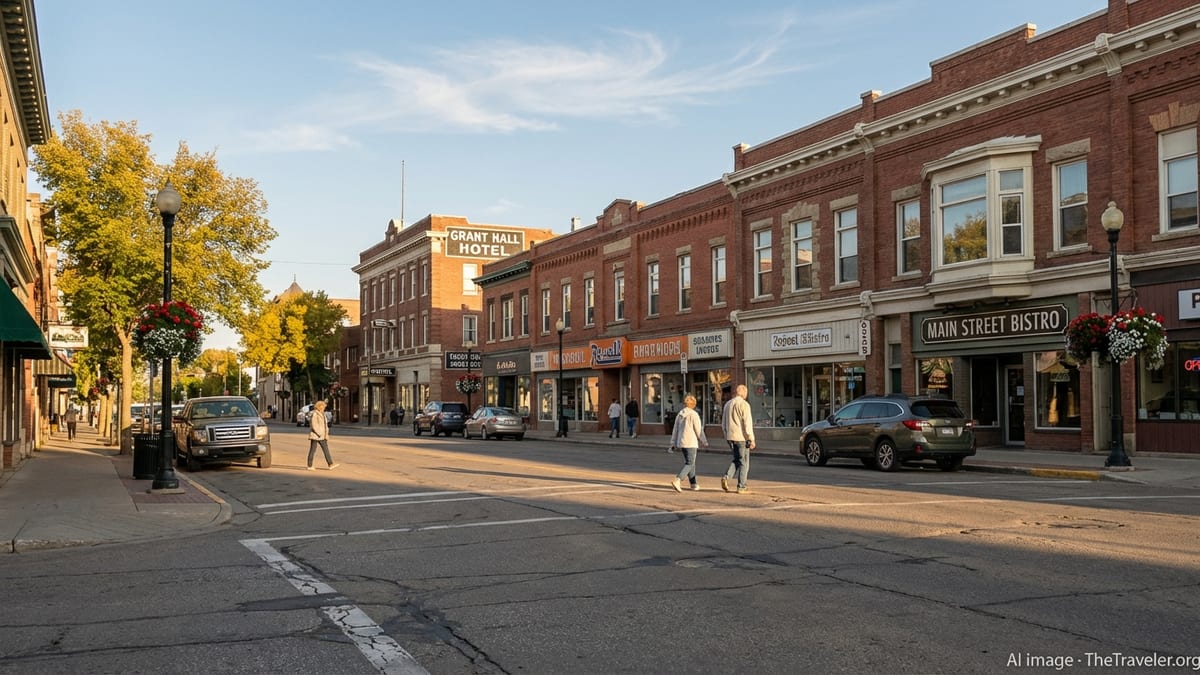
Moose Jaw in Context: Overall Safety Snapshot
Moose Jaw is a city of roughly 35,000 people in southern Saskatchewan, a province where crime rates have historically been higher than the Canadian national average. For visitors, that can sound worrying at first glance. In practice, most travelers experience Moose Jaw as a friendly, manageable city where serious incidents involving tourists are uncommon. Crime tends to be concentrated among local residents and in specific neighborhoods or situations, rather than targeting visitors.
Police statistics and national crime indexes show that Moose Jaw has at times ranked relatively high among Canadian cities for overall crime severity, particularly when compared with communities of similar size. However, these numbers are driven by a mix of property crimes, disturbances, and incidents between people who usually know each other. For a short-term visitor staying in central areas, walking between attractions, and using standard urban common sense, the day-to-day risk is typically moderate to low.
In recent years, Moose Jaw Police Service data has indicated a downward trend in many major crime categories, including declines in property crime and crimes against persons. Local authorities emphasize that the city is safer now than it was two decades ago, even though Saskatchewan as a province still posts higher-than-average figures. For travelers, that means it is sensible to be aware of your surroundings, but there is no broad advisory against visiting Moose Jaw or its main attractions.
It is also important to recognize the difference between perception and reality. Moose Jaw’s colorful history, crime-related legends, and the “notorious” branding that appears in some tourism materials can create a sense that the city is rougher than it feels on the ground today. Most visitors remember welcoming locals, relaxed streets, and a walkable downtown rather than any sense of threat.
Crime Trends, Police Presence, and Local Enforcement
Crime in Moose Jaw follows patterns seen in many small Canadian cities. Police-reported data in recent years has shown a drop in overall incidents and a decline in the severity of crime, with notable reductions in non-violent offenses such as certain types of theft and break-ins. Year-over-year statistics have highlighted fewer reported crimes against persons and fewer property crimes, suggesting that the general trajectory is improving, even if some fluctuations remain from month to month.
The Moose Jaw Police Service operates within the city limits, handling day-to-day calls, emergency response, and community policing. Outside city boundaries, the Royal Canadian Mounted Police patrol rural areas and the highways that funnel travelers into the city. Saskatchewan is also rolling out a provincial marshals service focused on serious crime and supporting local forces, a move that reflects broader efforts to address gang activity, drugs, and rural crime across the province rather than a specific crisis in Moose Jaw.
For visitors, the most relevant takeaway is that there is an active and visible police presence, particularly in the downtown core and along major traffic corridors. Patrols are common around nightlife areas, during festivals, and near busy tourist draws such as the mineral spa and heritage sites. This visibility, combined with improving clearance rates on reported crimes, provides a measure of reassurance that local authorities are engaged and responsive.
As in many places, opportunistic property crime remains a reality. Unlocked vehicles, bags left unattended in cars, and bicycles without proper locks can attract the wrong kind of attention. Travelers who secure their belongings, lock vehicles, and keep valuables out of sight significantly reduce their odds of experiencing any problems. Violent incidents involving random strangers are less common, and serious events tend to involve people with some prior connection.
Neighborhoods, Downtown Areas, and Where Visitors Stay
Most travelers experience Moose Jaw through a relatively compact set of areas: the historic downtown, the streets surrounding the mineral spa and large hotels, the commercial corridors near the Trans-Canada Highway, and a handful of residential neighborhoods with short-term rentals. These areas generally feel safe during the day, with a steady flow of locals and visitors walking between shops, cafes, and attractions.
Downtown Moose Jaw is the city’s main hub for dining, nightlife, and heritage sights. Like many downtowns, it can see higher levels of petty crime, such as theft from vehicles or minor disturbances, especially in busier seasons or during festivals. After dark, streets can become quieter away from the main blocks, which can make them feel less comfortable for some visitors even if nothing is actually happening. Staying on well-lit routes, walking with companions when possible, and avoiding obviously intoxicated or confrontational individuals is usually sufficient to stay safe.
Residential neighborhoods in Moose Jaw show some variation in reported crime, with a few areas experiencing higher rates of assaults, disturbances, and property offenses. These patterns primarily affect residents rather than visitors, who are unlikely to spend much time deep in residential streets unless staying in a vacation rental. If you are booking a short-term rental, it is reasonable to look at recent reviews, check how close it is to the main attractions, and favor locations near the center or established hotel districts where foot traffic is more consistent.
Highway-side accommodations along the Trans-Canada corridor are generally convenient and functional rather than atmospheric. Here, the main safety concerns are typical of roadside motels anywhere: secure your vehicle, avoid leaving visible items inside, and be cautious late at night in parking lots. Overall, though, there is no widespread pattern of targeting tourists, and most guests report uneventful stays.
Nightlife, Events, and After-Dark Safety
Moose Jaw’s nightlife is modest but lively enough to attract both locals and visitors, particularly on weekends. Bars, pubs, live music venues, and events around the downtown core and nearby hotels are the usual focal points. As with any place that serves alcohol, the main risks at night relate to intoxication, minor altercations, and the occasional disorderly behavior on the street or outside venues after closing time.
Travelers who enjoy a night out can generally do so safely by observing the common precautions they would follow in any small city. Stay with friends when possible, watch your drinks, keep an eye on your belongings, and plan your route back to your accommodation in advance. Walking through well-lit main streets or using a licensed taxi or rideshare service late at night is recommended, especially if you are unfamiliar with the surrounding blocks.
During festivals, sporting events, and special weekends, the city can feel busier than usual, with more vehicles on the road and larger groups in public spaces. Local authorities usually respond with increased patrols and traffic enforcement. For visitors, this often translates into a more noticeable but reassuring security presence. The most common issues during such periods tend to involve parking disputes, minor collisions, or noise complaints rather than serious crime.
Solo travelers, including solo women, often report feeling reasonably comfortable in Moose Jaw when they stick to central streets, avoid isolated shortcuts, and maintain the same level of awareness they would in any unfamiliar urban setting. The city’s scale works in its favor: blocks are short, people are generally approachable, and help is not far away if something feels off.
Road Safety, Weather, and Getting Around
While crime often dominates discussions of safety, Moose Jaw’s biggest risks for visitors may be related to driving and weather. The city sits along the Trans-Canada Highway, which carries heavy truck and passenger traffic. Within city limits, roads are fairly easy to navigate, but conditions can change sharply with the seasons, especially in winter and early spring.
In colder months, snow, ice, and blowing wind can reduce visibility and road traction significantly. Drivers who are not used to prairie winters should exercise caution, allow extra travel time, and be prepared with winter tires or all-weather tires rated for snow. Even in the city, residential streets and side roads can become slippery, and intersections may be rutted or partially covered in compacted snow and ice. Slower speeds and generous following distances reduce the risk of collisions.
Pedestrians also need to be aware of winter conditions. Sidewalks can be icy or uneven, especially in older parts of town. Proper footwear with good grip, watching for icy patches at curb cuts, and crossing at marked intersections all help minimize slips and falls. In warmer months, the main pedestrian hazards tend to involve crossing wide streets or navigating busy parking lots near shopping areas and the highway.
Public transportation options within Moose Jaw are limited, so most visitors rely on private vehicles, rental cars, or taxis. This makes parking security important: choose well-lit areas, lock up consistently, and remove visible valuables. Cyclists should use lights and reflective gear, as some streets are not heavily lit at night and dedicated cycling infrastructure is limited compared with larger Canadian cities.
Day Trips, Nature, and Wildlife Awareness
Many visitors use Moose Jaw as a base for exploring nearby prairie landscapes, lakes, and birdlife. South-central Saskatchewan offers open horizons, migrating birds, and quiet backroads that feel a world away from urban concerns. From a safety standpoint, these rural and natural environments present different challenges from city streets, particularly around weather, remoteness, and wildlife.
Day trips to nearby lakes and bird sanctuaries, including the shallow salt lakes to the southwest, are generally peaceful and low risk for crime. The main considerations are environmental. Sudden changes in weather can bring strong winds, heavy rain, or blizzards depending on the season. Road surfaces in rural areas may shift from paved to gravel, and storms can briefly reduce visibility to near zero. Checking forecasts, carrying extra water and warm clothing, and ensuring your vehicle is in good condition are simple but important precautions.
Wildlife in the region is more likely to be a traffic hazard than a direct threat to people. Deer and other animals can cross roads unexpectedly, especially near dawn and dusk. Drivers should slow down in signposted wildlife zones and remain watchful on rural highways at night. In more remote areas, mobile phone coverage can be patchy, so letting someone know your route and expected return time is good practice.
On the trails and around wetlands, basic outdoor safety applies: stick to established paths where possible, carry a charged phone, keep a respectful distance from wildlife, and bring layers to adapt to fast-changing prairie weather. Mosquitoes can be a nuisance in summer near standing water, so insect repellent and appropriate clothing can make outings more comfortable and reduce the risk of bites.
Practical Safety Tips for Visitors
Moose Jaw does not require elaborate security strategies, but a few straightforward habits go a long way. Keeping doors and vehicle trunks locked, avoiding visibly storing valuables in cars, and using hotel safes for passports and extra cash are sensible steps. When walking in the evening, especially in quieter shoulder seasons, visitors often feel more relaxed sticking to main routes between hotels, the spa, and downtown restaurants rather than venturing down unlit side streets.
Scams aimed specifically at tourists are infrequent in Moose Jaw. On occasion, travelers may encounter overly persistent individuals seeking money, overly eager acquaintances in bars, or people offering unsolicited help with parking or directions. A polite but firm “no, thank you” and moving on is usually enough to disengage. As in any city, it is best not to share detailed personal plans or accommodation information with strangers you have just met.
When booking accommodation, choose reputable hotels or well-reviewed rentals that mention cleanliness, good communication, and a sense of security. Properties in central, walkable areas near attractions tend to feel more comfortable for first-time visitors. If you arrive late at night, consider checking in by taxi from the bus stop or parking lot instead of walking long distances with luggage.
Health and emergency services are readily available within the city, including a hospital and clinics. Travelers should carry travel insurance, know how to reach local emergency numbers, and keep a small personal kit with basic medications and any prescriptions. Moose Jaw’s moderate size means that response times for emergencies are generally reasonable, though certain weather events can temporarily strain services.
The Takeaway
For most travelers, Moose Jaw is a safe and welcoming place to visit, offering a blend of historic streets, spa relaxation, and prairie scenery without the pressures of a big city. While crime statistics show that the city, like much of Saskatchewan, has higher reported crime than the national Canadian average, these numbers are shaped largely by local dynamics rather than targeted offenses against visitors. Recent trends indicate declines in key crime categories and an improving overall picture of public safety.
Visitors who exercise routine urban awareness, secure their belongings, and stay alert to their surroundings after dark are unlikely to encounter serious problems. Driving conditions, particularly in winter and on rural roads, may pose greater practical risks than street crime, making preparation for weather and road safety especially important. Day trips into the surrounding countryside are generally peaceful, with more to think about in terms of distance and conditions than personal security.
Ultimately, Moose Jaw’s safety profile is that of a small Canadian city with some challenges but many mitigating strengths: engaged local policing, a compact and walkable core, and a community that benefits from tourism. If you arrive with realistic expectations, respect local conditions, and follow common-sense precautions, you can focus on enjoying the city’s character, from historic architecture to mineral waters, with confidence.
FAQ
Q1. Is Moose Jaw generally safe for tourists?
Yes. Most visitors experience Moose Jaw as a friendly and manageable small city. Crime exists, but serious incidents involving tourists are uncommon when basic precautions are followed.
Q2. Which areas of Moose Jaw should visitors be more cautious in?
Use extra awareness in and around the downtown area late at night and in quieter residential streets you do not know well. Stick to well-lit main routes and avoid lingering in isolated spots.
Q3. Is it safe to walk around Moose Jaw at night?
Many people walk safely at night in central areas, but streets can become quiet. Walk with companions when possible, stay on main roads, and consider using a taxi or rideshare if you feel uncomfortable.
Q4. Are there common scams targeting visitors in Moose Jaw?
Scams are relatively rare. The most likely issues involve overly persistent people asking for money or attention. A polite refusal and moving on is usually enough to avoid problems.
Q5. How safe is it to drive to and around Moose Jaw?
Driving is straightforward in good weather, but winter conditions can be challenging. Snow, ice, and reduced visibility require slower speeds, proper tires, and extra caution on highways and side streets.
Q6. Is Moose Jaw safe for solo travelers, including solo women?
Yes, with usual precautions. Solo travelers typically feel comfortable in central areas when they stay aware, avoid isolated places after dark, and let someone know their basic plans.
Q7. Are hotels and short-term rentals in Moose Jaw secure?
Most established hotels and well-reviewed rentals are secure. Choose reputable properties, lock doors and windows, use hotel safes when available, and avoid leaving valuables visible in vehicles.
Q8. How worried should I be about petty theft or car break-ins?
Opportunistic theft can occur, especially if items are left in plain sight. Lock your vehicle, store belongings out of view, and avoid leaving bags or electronics unattended to minimize risk.
Q9. Is it safe to explore the countryside and nearby lakes from Moose Jaw?
Generally yes. Crime risk is low, but distances, changing weather, and limited services mean you should check forecasts, carry supplies, and let someone know where you are going.
Q10. What should I do in an emergency while visiting Moose Jaw?
In an emergency, contact local emergency services and seek help from nearby residents, businesses, or hotel staff. Keep important numbers handy and carry identification and insurance details with you.