

The Netherlands consistently ranks among Europe’s more comfortable and predictable destinations, yet many travelers still wonder how safe it really is in 2026. Headlines about pickpockets in Amsterdam, political tension, terrorism threat levels and the occasional high-profile crime can sound unsettling. In reality, most visitors experience nothing worse than a misplaced umbrella or a delayed tram. Still, understanding the genuine risks, the most common scams and how Dutch authorities manage security will help you enjoy the canals and cobblestones with confidence.
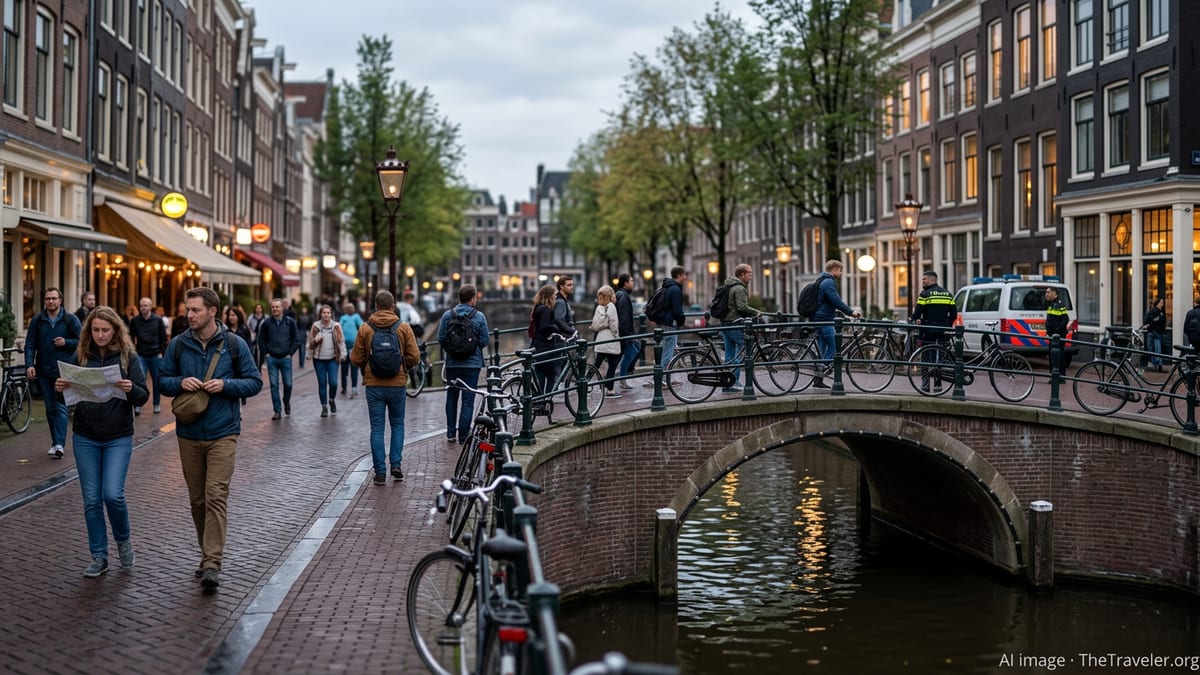
Overall Safety Snapshot: How Safe Is the Netherlands in 2026?
By European standards, the Netherlands remains a relatively safe, well-policed country with a high quality of life and generally low levels of violent crime affecting tourists. International security consultancies continue to classify travel to the Netherlands as suitable with standard precautions, and Dutch statistics show that property crime such as theft and fraud is far more common than assaults against visitors. For most travelers, the main risk is inconvenience and financial loss rather than serious physical harm.
Tourists are, however, attractive targets for opportunistic thieves. Country-level assessments note that pickpocketing, bag snatching and bicycle theft are the dominant issues for visitors, especially in large cities like Amsterdam, Rotterdam, The Hague and Utrecht. Within these urban hubs, the highest risk zones are busy transport hubs, nightlife streets and popular attractions where crowds and distraction work in a thief’s favor rather than yours.
At the same time, Dutch authorities invest heavily in visible policing, surveillance and urban design intended to discourage crime. Stations and central squares have a noticeable security presence, municipalities coordinate closely with event organizers, and public transport staff are trained to respond quickly to suspicious behavior. This combination of relatively low violent crime, focused efforts on prevention and a well-developed emergency response system underpins the country’s reputation as a safe, orderly place to visit.
For travelers, the bottom line is straightforward. You should not avoid the Netherlands on safety grounds, but you should treat it like any other North or Western European destination: exercise normal urban awareness, secure your belongings and stay informed about local conditions during your stay.
Crime Patterns: What Tourists Really Need to Worry About
Most crimes that affect visitors in the Netherlands fall into one broad category: theft without confrontation. National and local figures point to millions of property crimes each year, with a large share involving pickpocketing, shoplifting, bicycle theft and fraud. While this number sounds high, it is spread across the resident population and tens of millions of annual visitors. The likelihood that any one traveler becomes a victim is modest, but the risk rises sharply if you move through crowded hot spots with valuables exposed.
In Amsterdam, which statistically records more crime than smaller Dutch cities, police and tourism agencies consistently identify specific micro-areas as higher risk for petty crime. Amsterdam Central Station, tram stops along the inner ring, Dam Square, the Red Light District, the streets around major museums and nightlife quarters such as Leidseplein are all known zones where skilled pickpocket teams operate. Similar patterns exist around Rotterdam Centraal and busy entertainment districts in other cities, although at a smaller scale.
Violent crime against strangers, including tourists, is far less common than theft. Incidents such as stabbings, bar fights and late-night assaults do occur, particularly around nightlife areas where alcohol and drugs are involved, but they represent a small fraction of total crime. Dutch media coverage of rare, serious incidents can generate intense national debate about public safety, especially around issues of gender-based violence, but the statistical risk for an average visitor remains low. The majority of travelers who run into trouble in nightlife districts are affected by theft, intoxication or accidents rather than targeted violent attacks.
When crime does occur, Dutch police are generally professional, English is widely spoken and systems for reporting incidents are straightforward. For non-emergency situations such as pickpocketing or property loss, authorities direct people to use the national non-emergency police number or visit a local station. A written report is usually provided, which is important for insurance claims.
Pickpockets, Bag Snatching and Transport Safety
Pickpocketing is the single most common criminal problem facing tourists in the Netherlands, particularly in Amsterdam. Local safety monitors, municipal reports and travel security briefings all highlight that theft from persons clusters in busy areas and on public transport where visitors are distracted by ticket machines, route maps or photo opportunities. Professional thieves often work in pairs or small groups, using distraction techniques honed on tourists who underestimate them.
Typical tactics include someone bumping into you in a crowd or on a tram while an accomplice lifts your wallet, a fellow passenger asking for directions while holding a large map that blocks your view of your bag, or a stranger “helping” you at a ticket machine while their partner stands close enough to slip a hand into your backpack. Thieves also target bags placed on the floor in cafes or bars, phones left on outdoor tables and jackets hung loosely over the backs of chairs in busy venues.
Public transport is generally safe, clean and efficient, but it is also a favored hunting ground for pickpockets. Trams and metro lines around Amsterdam Central Station, connections between Schiphol Airport and central Amsterdam, as well as intercity trains serving the airport are all well known among locals as places to keep a tight grip on your belongings. Thieves usually prefer the moment people board or disembark, when bags shift, attention is divided and everyone is squeezed together at the doors.
To reduce your risk, carry valuables in a front-fastening daypack or cross-body bag that can be zipped shut and worn in front of your body in crowds. Avoid putting wallets or phones in back pockets, keep only a small amount of cash on you, and separate a backup payment card in your accommodation. On trams and trains, stand with your bag in front of you and one hand resting on it; in cafes and bars, loop your bag strap around your leg or chair and keep phones off tabletops when possible. These small habits are usually enough to deter opportunistic thieves who prefer the easiest possible target.
Common Tourist Scams: From Fake Police to Accommodation Traps
Alongside straightforward pickpocketing, visitors in the Netherlands may encounter a range of low-level scams that rely more on social manipulation than physical stealth. Many of these schemes recycle well-known patterns seen elsewhere in Europe but with local twists that reflect Dutch transport systems, nightlife and payment habits. Awareness is your best defense; once you recognize the pattern, it becomes much easier to disengage quickly and confidently.
One issue repeatedly highlighted by security advisories is scammers impersonating police officers. In busy nightlife streets or around central stations, a pair of people may approach a tourist, flash something that looks like a badge and claim to be investigating counterfeit money or drugs. They may insist on inspecting your wallet, bank cards or passport on the spot. Authentic Dutch police very rarely conduct spontaneous street checks of tourists’ cash and never expect people to hand over bank cards or PIN codes. If in doubt, you can politely refuse, step back and ask to walk together to the nearest official police station or call the national police number for verification.
Other scams revolve around emotional stories or manufactured urgency. Travelers in and around Amsterdam have reported encounters with drivers claiming to be stranded tourists who need cash for fuel in exchange for “valuable” jewelry that later turns out to be fake, as well as distressed individuals asking for money to get back to another city. The details vary, but the dynamic is consistent: someone approaches you unexpectedly, insists on immediate help, and offers a deal that seems suspiciously generous for a stranger. You are not obligated to solve other people’s emergencies with your wallet, and the safer choice is to decline firmly and keep walking.
In the digital realm, some visitors are caught by unofficial ticket or tour websites that mimic official transit or attraction providers while charging markups and restrictive conditions. These operations are often legal but confusing, leaving travelers paying more than necessary for basic services like public transport passes. To avoid this, buy tickets directly from recognizable machines at stations, staffed counters, well-marked visitor centers or the official apps of transit companies and major museums. When booking accommodation, stick to reputable platforms or the hotel’s own channels, and be cautious of last-minute rental offers that demand direct bank transfers or ask you to move the conversation off a recognized booking site.
Women, Solo Travelers and Nightlife Considerations
Women and solo travelers generally report feeling comfortable in Dutch cities during the day, thanks to busy streets, good lighting in central areas and a culture that values public order. That said, the Netherlands is not free from harassment or gender-based violence, and some high-profile cases in recent years have fueled national conversations about safety in public spaces after dark. For visitors, the risk profile is similar to that in other major Western European cities: low but not negligible, and highly dependent on personal habits, location and time of night.
Nightlife districts, particularly in Amsterdam’s Red Light District and around bar areas like Leidseplein and Rembrandtplein, attract large numbers of tourists, stag parties and heavy drinking. The more chaotic the environment, the more likely it is that harassment, unwanted attention or aggressive behavior from intoxicated people will occur. Solo visitors, especially women and LGBTQ+ travelers, may experience catcalling or uncomfortable approaches, although this varies by venue and crowd.
Drink spiking is not widely reported as a systemic problem but exists as a risk anywhere alcohol is served. Practical steps include watching drinks being poured, keeping your glass in hand, avoiding leaving drinks unattended and declining beverages from strangers in crowded clubs. Stick with venues that appear well-managed, with visible staff and security, and consider steering clear of the most intense party streets late at night if you prefer a calmer environment.
In terms of mobility, Dutch public transport runs late on weekends and is usually safe, with night buses supplementing trains in some regions. Taxis and reputable rideshare services operate in major cities, and cycling is a popular way to get around, although riding a bike at night introduces its own safety concerns, especially if you are unfamiliar with local traffic rules. Whether you walk, ride or take a tram, planning your route in advance and staying in well-lit, populated streets will usually keep risk to a minimum.
Protests, Terrorism Threat Level and Political Tensions
Travel safety is not only about street crime. In recent years, the Netherlands has also managed elevated terrorism threat levels, occasional politically charged protests and large international events that bring heavy security measures. Since late 2023, the Dutch National Coordinator for Security and Counterterrorism has kept the national terrorism threat level at the second-highest category on its five-step scale, describing the chance of an attack as realistic but without a specific, immediate threat against travelers.
This broader security context has practical consequences for visitors. You may notice armed police patrols around major train stations, airports, government buildings, synagogues, mosques and large events. Bag checks, metal detectors and vehicle restrictions are increasingly common at festivals, football matches and high-profile political gatherings. When the Netherlands hosted a large NATO summit in 2025, for example, parts of The Hague experienced extensive road closures, airspace restrictions and visible security deployments. These measures are designed to protect the public rather than to signal that tourists are at particular risk.
Protests are relatively common in Dutch political life, especially in university cities, and have in recent years included large marches and campus encampments related to climate policy, farmers’ interests and international conflicts such as the war in Gaza. Most demonstrations are peaceful and coordinated in advance with municipal authorities, who typically designate routes, provide police escorts and communicate disruptions via local news and transit apps. However, as in any country, there is always a small possibility of confrontations between protesters and police or counter-protest groups, particularly if emotions run high.
For travelers, the safest approach is to avoid joining large protests as a spectator, monitor local news during your stay and follow instructions from authorities if you encounter roadblocks or rerouted trams. Crowds at demonstrations can attract pickpockets in the same way busy festivals do, and even peaceful gatherings may lead to delays or sudden changes in transport schedules. Staying flexible and giving wide berth to heavily policed areas when major events are underway will reduce stress and minimize any chance of getting swept up in situations you did not plan to be part of.
Practical Safety Tips for a Trouble-Free Trip
Good preparation and a few consistent habits go a long way toward making your visit to the Netherlands both enjoyable and safe. Start with your documents and money. Carry your passport or ID in a secure, concealed location rather than in an outer pocket, and store a photocopy or digital scan separately. Use a mixture of payment methods: a primary card for daily use, a backup card kept in your accommodation, and a modest amount of cash in euros. Inform your bank of your travel dates so that legitimate overseas transactions do not trigger fraud alerts.
In cities, think “small target, low profile.” Leave jewelry and devices you do not need at home or locked in your hotel safe. Dress in practical, weather-appropriate clothing rather than flashy designer labels if you will be using public transport or visiting nightlife districts. When you stop to check a map, step out of the main flow of pedestrians, place your back against a wall where possible and keep one hand on your bag. On trains and trams, keep suitcases in view whenever you can, rather than out of sight at the end of the carriage.
Health and environmental safety deserve attention as well. The Netherlands has excellent tap water, strict food hygiene standards and strong healthcare infrastructure, but the weather can change quickly, and cycling in a dense network of bike lanes may feel intimidating for visitors. Wear layers, carry waterproofs outside the summer months, and if you choose to cycle, follow local rules carefully, stay sober and avoid looking at your phone while riding. Pedestrians should remember that bike lanes are not sidewalks; looking both ways for bicycles is just as important as watching for cars or trams.
Finally, know how to reach help. Emergency services share the European 112 number for police, fire and ambulance in life-threatening situations. For non-urgent police assistance, a national non-emergency number is used, and every city maintains local police stations where you can report crimes, ask for advice or seek help if you feel unsafe. Many Dutch people speak excellent English and are accustomed to assisting lost or confused travelers, so do not hesitate to ask for help in shops, hotels or public transport offices if something does not feel right.
The Takeaway
The Netherlands in 2026 offers a blend of historic charm, progressive culture and practical infrastructure that continues to make it one of Europe’s most attractive and manageable destinations. For most tourists, the greatest challenges are navigating busy bike lanes and deciding which canal view to photograph next, not serious threats to personal safety. National crime patterns and recent security assessments show that the primary risk to visitors remains petty theft, particularly in crowded urban centers and on public transport, rather than violent crime or targeted attacks.
At the same time, it is important not to romanticize the country as risk free. Pickpockets are active, low-level scams exist, nightlife districts can feel rowdy and political tensions sometimes spill onto the streets in the form of protests. A realistic understanding of these factors, combined with basic precautions and situational awareness, will allow you to move through Dutch cities with confidence while minimizing the chances of unpleasant surprises.
If you treat Amsterdam, Rotterdam, The Hague and other Dutch cities as you would any major urban destination, secure your belongings, respect local norms and stay informed about events during your trip, you are likely to find the Netherlands not only safe but refreshingly straightforward to navigate. With thoughtful planning and an eye on your surroundings, the country’s canals, museums and wind-swept beaches are yours to enjoy without undue worry.
FAQ
Q1. Is the Netherlands generally safe for tourists in 2026?
The Netherlands remains broadly safe for visitors who take normal urban precautions, with petty theft a more common risk than violent crime for most travelers.
Q2. How bad is pickpocketing in Amsterdam compared with other European cities?
Pickpocketing is a notable issue in central Amsterdam, especially around stations and tourist areas, but the situation is broadly comparable to other major European capitals.
Q3. Which areas should I be most cautious in as a visitor?
Exercise extra care around Amsterdam Central Station, Dam Square, the Red Light District, busy tram lines, nightlife streets and crowded events or festivals in any large city.
Q4. Is it safe to use public transport at night?
Public transport in the Netherlands is generally safe, including at night, but you should stay alert, keep valuables secure and sit near other passengers or the driver where possible.
Q5. Are solo female travelers safe in the Netherlands?
Solo female travelers usually report feeling comfortable, though they should take the same precautions they would in any big city, especially around nightlife districts late at night.
Q6. What should I do if I am approached by someone claiming to be police on the street?
Real officers do not need to inspect your wallet or bank cards on the spot; if you are unsure, politely refuse and suggest going together to the nearest police station.
Q7. Are there any neighborhoods I should avoid completely?
Most Dutch neighborhoods are safe to visit, but some outer districts can feel less comfortable after dark; if in doubt, ask local hosts or hotel staff for up-to-date advice.
Q8. How concerned should I be about terrorism in the Netherlands?
The national terrorism threat level indicates a realistic but unspecific risk, so you may see visible security, but attacks remain rare and tourists are not singled out.
Q9. Is cycling in Dutch cities safe for visitors?
Cycling is generally safe if you follow traffic rules, stay in bike lanes, avoid riding under the influence and pay close attention at intersections and near tram tracks.
Q10. What is the emergency number in the Netherlands?
The nationwide emergency number is 112 for police, fire or ambulance in urgent situations; for non-emergencies, you can contact the local police via their general helpline.