


More news on this day
Israel has moved to its highest level of travel alert for citizens abroad, citing an elevated risk of Iranian-orchestrated attacks on Israelis and Jewish targets worldwide as regional tensions remain high following recent conflict between Israel and Iran.
Get the latest news straight to your inbox!
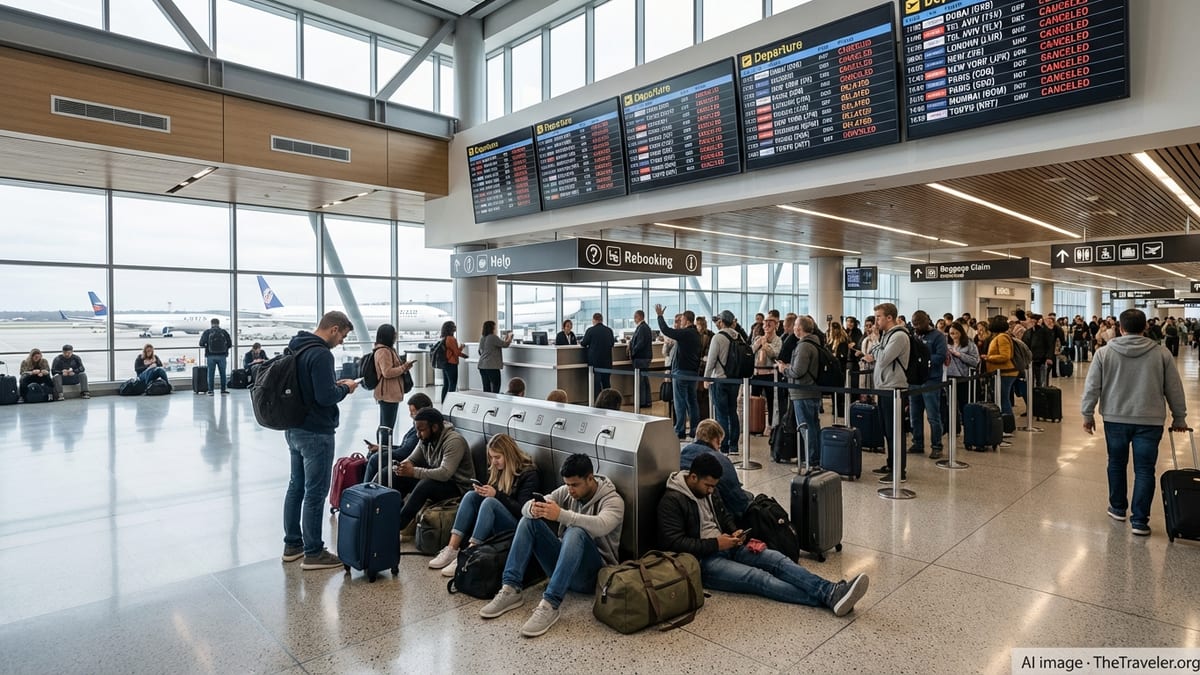
Escalating Iran Tensions Trigger Global Warning
Recent public updates from Israel’s National Security Council (NSC) describe Iran and its network of proxy groups as the primary source of a growing terrorism threat to Israelis overseas. The assessment highlights what officials characterize as intensified efforts to strike Israeli and Jewish targets in multiple regions, particularly during busy travel periods such as the Jewish High Holidays.
An overview of global threats released on September 6, 2026, ahead of the holiday season, notes a pattern of attempted and successful attacks linked to Iran and affiliated organizations, alongside actions by lone attackers inspired by regional events. This follows months of heightened alerts since Israel’s extended confrontation with Iran and allied groups, which security analysts say has expanded the geographic scope of potential targets.
Earlier statements from the NSC in late February and March 2026 had already warned that the confrontation with Iran was likely to translate into more aggressive activity abroad. Those notices urged Israelis to exercise increased caution in every destination worldwide, describing a higher motivation among hostile actors to exact revenge on both official and civilian symbols associated with Israel and Jewish communities.
Travel-security assessments by independent terrorism-monitoring centers have echoed these concerns, pointing to a combination of state-backed plots and opportunistic attacks against synagogues, community centers and other visible Jewish institutions in Europe and North America in recent months.
Highest-Level Travel Alert and New Risk Map
Israel’s travel-warning system assigns graded threat levels to individual countries, with Level 4 representing the highest category. In its latest summary, the NSC places Iran and several regional states in this top tier and underscores that Iranian intelligence services and affiliated groups are actively seeking opportunities to strike far beyond the Middle East.
According to published coverage of the September update, Jordan has now been added to the list of destinations subject to the highest Level 4 warning. The advisory recommends that Israelis avoid not only travel but even stopovers in countries at this tier, describing them as locations where the risk of an attack is considered particularly acute.
Other destinations remain under elevated but slightly lower categories, reflecting what the NSC describes as a “moderate” or “basic” threat. Yet the latest communication stresses that the broader strategic picture is one of a global risk environment, rather than a problem confined to a shortlist of familiar hotspots.
In parallel, several foreign governments have updated their own advice in response to the same regional dynamics. The United Kingdom’s foreign travel guidance on Israel, revised in late July 2026, refers to recent strikes and retaliatory actions involving Iran and advises against all or all-but-essential travel to various parts of the country. The United States maintains a separate system, currently rating Iran at its most severe travel advisory level and Israel at a lower but still serious tier.
Practical Guidance for Israelis and Jewish Travelers
The NSC’s highest-level alert is accompanied by detailed behavioral recommendations for citizens overseas. Public documents from the council emphasize the importance of minimizing visible Israeli or Jewish identifiers in public, advising travelers to avoid wearing items such as prominent national symbols or community-branded clothing in unfamiliar environments.
Guidelines also urge people to reduce their presence at locations associated with Israeli or Jewish life, including synagogues, community centers and Chabad houses, particularly during crowded events and holidays. Where attendance is unavoidable, the NSC recommends choosing venues with visible security measures, remaining alert to unusual behavior and planning exit routes in advance.
Further advice includes refraining from discussing military service or current security developments with strangers, limiting real-time posting of locations on social media, and reviewing local emergency numbers before travel. Travelers are encouraged to keep copies of travel documents, register with consular services where possible, and maintain regular contact with family members who can help track their movements.
Israel’s travel-warning infrastructure, as described in official background material, is run through a dedicated NSC division responsible for integrating intelligence from multiple agencies and issuing country-specific alerts. The same unit manages a public hotline and online portal that provide real-time information on changing risk levels and recommended conduct abroad.
Global Travelers Weigh Regional Volatility
The raised Israeli alert comes against a backdrop of broader international caution about the Middle East. A worldwide security notice issued by the U.S. government in July 2026 warned that Iran and groups aligned with it could target U.S. interests or locations associated with Americans around the world, advising travelers to expect potential flight disruptions and airspace closures linked to regional incidents.
European governments, including the UK, similarly highlight a high threat of terrorism affecting their nationals in multiple regions, citing attackers who may be motivated in part by developments involving Israel, Iran and neighboring states. These advisories typically stress that violence can occur with little or no warning, even in areas that are otherwise popular with tourists.
For visitors of any nationality planning trips to or through Israel and surrounding countries, the evolving security picture translates into a greater emphasis on flexible itineraries and contingency plans. Airlines and aviation safety groups have periodically warned of the possibility of rapid changes to flight routes or temporary airspace closures in response to sudden escalations between Israel and Iran.
Travel industry analysts note that while many routes continue to operate, the combination of national travel advisories, insurance restrictions and shifting perceptions of risk is reshaping patterns of tourism and business travel across the Eastern Mediterranean and Gulf regions.
What the Alert Means for Future Travel
Israel’s decision to sustain its highest-level travel alert amid concerns about Iranian threats signals an expectation that the current risk environment could persist through at least the upcoming holiday season. Security assessments from past years show that similar warnings have sometimes remained in place for extended periods when tensions with Iran and its partners stayed elevated.
For Israelis, the practical impact ranges from reconsidering leisure trips to rerouting business travel through countries assessed as posing a lower threat. For Jewish communities worldwide, the warning reinforces existing moves to bolster security at communal institutions and major public gatherings.
For non-Israeli travelers, the alert serves as an additional indicator when reading their own governments’ advisories on Israel, Iran and neighboring states. Tourism experts recommend that travelers planning itineraries in or near the region monitor multiple official sources, stay in close touch with airlines and tour operators, and assess their personal risk tolerance carefully before departure.
While there is no single global standard for measuring terrorism-related risks, the convergence of Israeli, American, British and independent security assessments on the role of Iran and its proxies underscores a widely shared concern. How long this elevated alert posture endures will likely depend on whether diplomatic, military and intelligence developments in the coming months ease or further inflame the confrontation between Israel and Iran.
Israel National Security Council: Travel warnings and terrorism threat information
Israel National News coverage of NSC High Holidays travel alert, September 6, 2026
U.S. Department of State country travel advisories
UK Foreign, Commonwealth & Development Office travel advice for Israel