

More news on this day
Italy has joined a growing roster of countries rolling out emergency measures to steady their aviation and tourism sectors as a jet fuel supply crunch linked to the Strait of Hormuz conflict drives up airfares, triggers flight cuts and begins to cool global travel demand heading into the key summer season.
Get the latest news straight to your inbox!
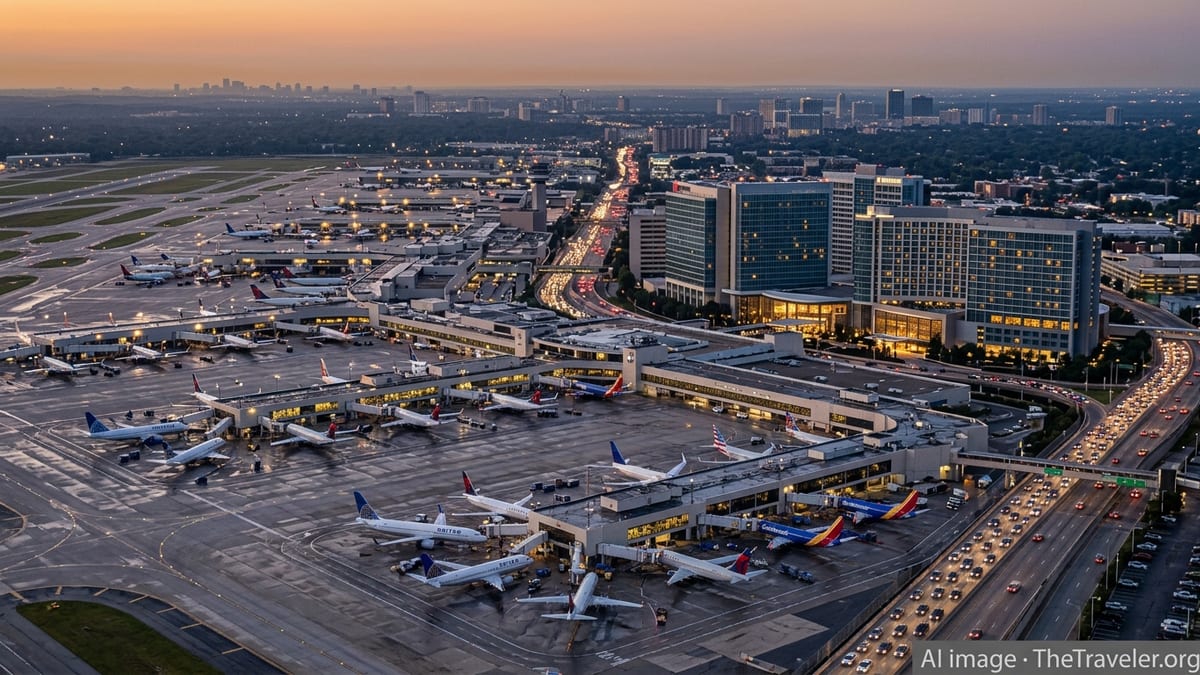
Jet fuel shock ripples from Hormuz to European skies
The effective shutdown of commercial shipping through the Strait of Hormuz since late February has removed a major artery for global oil and refined products, including aviation fuel, from world markets. Energy and aviation analysts report that around one fifth of the world’s oil supply normally moves through the narrow waterway, leaving airlines acutely exposed when flows are disrupted.
Industry research indicates that jet fuel prices have more than doubled since the start of the Iran conflict, with some European benchmarks climbing to historic highs as imports from Gulf refineries dried up. Market data cited by energy consultancies show jet fuel in northwest Europe trading at roughly twice year-earlier levels, with regional inventories under pressure and refinery logistics stretched.
The squeeze is particularly severe in Europe, which relies heavily on Middle Eastern suppliers for aviation fuel. Analysts note that daily tanker transits out of the Gulf have collapsed, forcing refiners and airlines to scramble for alternative routes and feedstocks. Higher shipping and insurance costs, coupled with longer supply chains, have further amplified the rise in fuel prices paid by carriers operating on both short haul and long haul networks.
Financial research houses tracking airline performance warn that fuel now accounts for up to 40 percent of operating costs for some carriers in this environment, compared with roughly a quarter in more typical years. That shift is feeding directly into higher ticket prices, aggressive capacity trimming and a renewed focus on fuel efficiency just as the northern hemisphere’s peak travel season approaches.
Italy moves to protect capacity and tourism inflows
Against this backdrop, Italy has begun implementing targeted measures aimed at preserving critical air links and shielding its tourism economy, one of the largest in Europe. Publicly available aviation bulletins and specialist risk analyses indicate that Italian authorities have issued operational notices limiting discretionary fuel uplift at certain airports in order to prioritize strategic, medical and long haul services.
Airport and airline planning data suggest that Italian carriers are increasingly relying on fuel tankering from less constrained hubs and adjusting schedules to avoid unnecessary positioning flights. Network planners are reported to be focusing capacity on core transatlantic routes, high-yield European city pairs and key inbound tourism gateways such as Rome and Milan, while marginal routes face seasonal suspensions or reduced frequencies.
Tourism promotion bodies at national and regional level are simultaneously ramping up campaigns to reassure prospective visitors that Italy remains accessible, despite higher fares and sporadic schedule changes. Messaging emphasizes alternative airports, off-peak travel dates and multi-modal itineraries that combine air, rail and road travel within the country to mitigate the impact of constrained flight options.
Economic assessments from international organizations consistently rank Italy among the world’s most visited destinations, with tourism contributing a substantial share of national output and employment. Officials and industry groups are therefore seeking to avoid a repeat of the deep demand shock experienced during the pandemic period, even as the current disruption stems from energy markets rather than health measures.
Global airlines slash flights as fares climb
Italy’s response is unfolding alongside similar moves in the United States, France, the United Kingdom, Germany, Japan, Thailand, Nigeria and other aviation markets as carriers seek to preserve liquidity in the face of surging fuel bills. Airline financial reports and recent schedule filings show a clear pattern of capacity cuts on fuel-intensive long haul routes and thinner regional services.
In Europe, major network airlines have announced the removal of tens of thousands of flights from their summer timetables, citing the need to conserve jet fuel and protect profitability. Low cost carriers are trimming frequencies on secondary routes and refocusing on higher-demand city pairs where they can better pass on fuel costs through higher fares.
In North America, airlines have introduced fresh fuel surcharges on international itineraries and selectively reduced transatlantic and transpacific frequencies. Publicly available fare data compiled by travel search platforms indicate double-digit percentage increases in average ticket prices on many long haul routes compared with the same period a year ago, with some last-minute economy fares now approaching levels once associated with premium cabins.
Across Asia and Africa, governments and airlines face the dual challenge of protecting essential connectivity while avoiding unsustainable losses. In markets such as Japan and Thailand, carriers have adjusted their fuel surcharge formulas and brought forward scheduled increases. In Nigeria and other fuel-importing African states, airlines are reported to be grappling with both higher international fuel costs and local currency pressures, which together are forcing sharp revisions to capacity plans.
Traveler behavior shifts as costs and uncertainty mount
The combined shock of higher airfares, tighter capacity and heightened geopolitical uncertainty is already reshaping traveler behavior, according to booking trends reported by global distribution systems and online travel agencies. Early data for the northern summer season indicate a tilt toward shorter-haul trips, fewer connecting flights and increased interest in rail-connected destinations within Europe.
Analysts monitoring tourism flows note that some long haul travelers are delaying or downgrading trips to manage costs, opting for shorter stays, fewer destinations per itinerary or alternative regions where capacity remains more plentiful. Price-sensitive segments, including student and family travel, appear particularly affected as total trip costs rise faster than household incomes in many origin markets.
For Italy and other major destinations, this shift risks dampening the robust tourism rebound recorded in 2024 and 2025, when global arrivals broadly returned to pre-pandemic levels. Economic outlooks from multilateral institutions had anticipated steady growth in international tourism this year, but many now flag the Middle East conflict and energy price volatility as key downside risks for travel-dependent economies.
Travel industry observers also highlight a rise in last-minute booking and cancellation activity as consumers wait to see how schedules and prices evolve. This shortens planning horizons for airlines and tourism businesses, complicating staffing decisions and inventory management across hotels, attractions and ground transport providers.
Tourism boards race to adapt marketing and resilience plans
In response to the fast-changing landscape, tourism boards from Italy to the United States and Thailand are revisiting their marketing strategies and long-term resilience plans. Many are pivoting campaigns to emphasize value, shoulder-season travel and less crowded secondary cities that can still be reached efficiently despite flight reductions at some major hubs.
Destination management organizations are also working more closely with rail operators and regional airlines to promote multi-country and multi-city itineraries that minimize exposure to the most fuel-constrained long haul sectors. In Europe, this includes highlighting high-speed rail links that can substitute for short flights, freeing scarce jet fuel for intercontinental services that are harder to replace.
Policy papers and industry roundtables increasingly point to the current crisis as a catalyst for accelerating investment in sustainable aviation fuel and more efficient aircraft, although such solutions remain years away from materially easing the present squeeze. In the near term, planning scenarios produced by aviation consultancies suggest that volatile fuel prices and capacity constraints could persist well into the year, requiring continued coordination between airlines, regulators and tourism bodies.
For Italy, maintaining its position near the top of global tourism rankings while navigating this turbulence will hinge on how effectively it can balance constrained air capacity, visitor affordability and the broader shift in traveler expectations that has followed the latest shock to global mobility.