


More news on this day
Kazakhstan’s low cost airline FlyArystan is adding a new seasonal route between Almaty and Gazipasa on Turkey’s Mediterranean coast for summer 2026, reflecting a sharp rise in holiday demand between the two countries.
Get the latest news straight to your inbox!
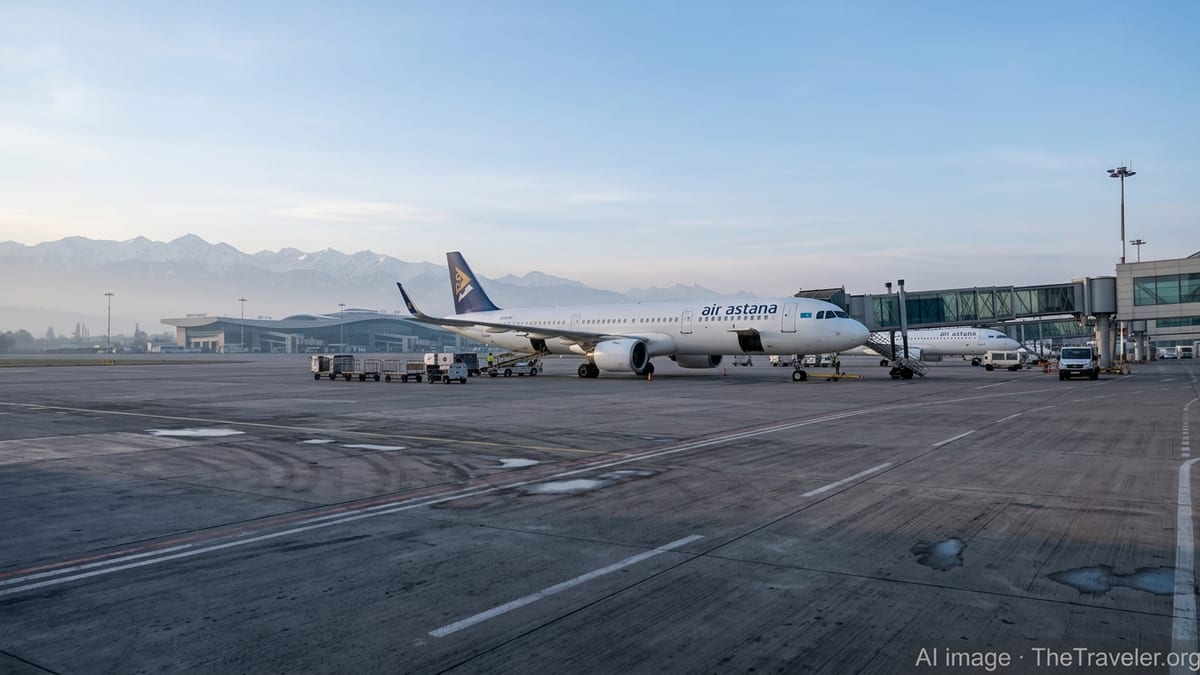
New Almaty–Gazipasa Route Timed for Summer 2026 Peak
FlyArystan has scheduled nonstop Almaty–Gazipasa services from 13 May to 24 October 2026, positioning the route squarely within the peak outbound holiday season from Kazakhstan. Publicly available timetable data indicates that flights will operate twice weekly, on Wednesdays and Saturdays, offering nearly six hours of direct service between Almaty International Airport and Gazipasa–Alanya Airport on Turkey’s southern coast.
Industry route trackers show the flight time at just under six hours, giving travelers in Kazakhstan a new point to point gateway to the Turkish Riviera without the need to connect through Istanbul or Antalya. The new service complements existing options from Kazakhstan to Turkey and is designed around leisure travel to coastal resorts rather than business traffic.
Aviation schedule specialists report that the route will be operated by FlyArystan’s Airbus A320 family aircraft configured for high density, low cost operations. This allows the carrier to market relatively low entry fares while increasing overall seat capacity between Kazakhstan and Turkey during the busy summer period.
According to information published by the airline and sector media, the Almaty–Gazipasa launch forms part of FlyArystan’s broader program of expanding seasonal leisure routes in 2025 and 2026, which also includes new services to other regional holiday destinations.
Responding to Strong Kazakhstan–Turkey Holiday Demand
Published coverage of the announcement highlights that the decision to introduce the Almaty–Gazipasa route is driven by sustained passenger demand on Kazakhstan–Turkey corridors. Travel industry reports describe consistently strong traffic flows between the two countries in recent years, supported by relatively liberal visa regimes, cultural ties and Turkey’s popularity as an affordable sun and sea destination for Central Asian travelers.
Gazipasa, serving the Alanya region, is emerging as an alternative to Antalya for visitors from Kazakhstan. Sector analysts note that flying directly into Gazipasa can shorten transfer times to resort hotels along the eastern Mediterranean coast, which is attractive for families and package holiday travelers seeking to maximize time at the beach.
Tourism focused media point to a wider upswing in outbound leisure travel from Kazakhstan as incomes recover and the low cost model becomes more entrenched. FlyArystan, headquartered in Almaty, has been steadily expanding its network of seasonal international routes, including to Turkey, as it targets price sensitive travelers who might previously have stayed domestic or chosen closer regional destinations.
Data referenced in recent airline and tourism briefings suggests that Turkey remains one of the top foreign holiday markets for Kazakh residents. Additional point to point capacity, such as the Almaty–Gazipasa link, is expected to further reinforce that position over the coming summer seasons.
Boost for Gazipasa–Alanya and Eastern Mediterranean Tourism
Gazipasa–Alanya Airport has been working to broaden its international reach beyond traditional European feeder markets, and new services from Central Asia are seen as a contribution to that strategy. Travel trade publications report that FlyArystan’s Astana–Gazipasa flights, which began as seasonal charters and were later resumed due to strong demand, have already helped build awareness of Alanya and surrounding resorts among Kazakh holidaymakers.
The addition of Almaty as a second Kazakh gateway to Gazipasa is expected to diversify the visitor base further. Tourism observers note that Almaty, as Kazakhstan’s largest city and a major economic hub, provides a sizable pool of potential travelers with a preference for direct, time saving connections to beach resorts.
Regional tourism analysts suggest that additional capacity from Kazakhstan could help extend the season for hotels and hospitality providers in the Alanya area. Scheduled flights running from mid May through late October align with warmer weather and school holidays in Kazakhstan, potentially encouraging both family trips and shoulder season travel.
Industry commentary also links the route to broader efforts to promote the eastern Mediterranean coast as a distinct destination within Turkey’s tourism offering. Easier air access from emerging markets such as Kazakhstan may encourage investment in resort infrastructure, excursions and services tailored to Central Asian visitors.
Low Cost Model Shapes Network Strategy
FlyArystan operates as a low cost carrier within the Air Astana Group and has been expanding rapidly across domestic and regional markets. Company reports and independent analyses describe a strategy centered on high aircraft utilization, single class cabins and unbundled fares that allow passengers to pay separately for extras such as checked baggage and seat selection.
In this context, the Almaty–Gazipasa launch fits a pattern of targeting routes where leisure demand is strong and relatively price sensitive. By using a low cost structure, the airline can appeal to first time international travelers as well as repeat visitors who may be willing to travel more often if ticket prices remain accessible.
Observers of Kazakhstan’s aviation sector note that FlyArystan’s growing international footprint, including in Turkey, has contributed to increased competition on key leisure routes. This can put downward pressure on average fares and encourage incumbents to refine their own holiday oriented products, ranging from bundled packages to flexible change policies.
Sector reports further suggest that by linking Almaty directly to Gazipasa, FlyArystan reduces reliance on large hub airports, which can be more expensive in terms of fees and congestion. Point to point operations to secondary airports are a common feature of low cost network design, and Gazipasa’s role as an alternative gateway to the Antalya region aligns with this model.
Outlook for Summer 2026 and Beyond
With the Almaty–Gazipasa route scheduled across the full summer 2026 season, travel agencies in Kazakhstan are expected to incorporate the new flights into package offerings that combine air tickets, hotel stays and resort transfers. Early availability of schedules and frequencies gives tour operators time to plan charter allotments and marketing campaigns ahead of the main booking period.
Analysts following Central Asian aviation trends indicate that further capacity growth between Kazakhstan and Turkey remains likely if demand continues to rise. Seasonal adjustments are common in the region, and performance of the inaugural Almaty–Gazipasa season will be closely watched as an indicator of how far the market can expand beyond traditional Antalya and Istanbul flows.
For FlyArystan, strong load factors on the new route could support continued investment in leisure oriented international services and justify additional aircraft deployment during peak months. Industry data on previous Kazakhstan–Turkey launches suggests that routes built around popular resorts often gain traction quickly when priced competitively and supported by local tour partners.
While aviation markets remain sensitive to economic conditions and currency fluctuations, observers note that the combination of a low cost model, pent up demand for travel and Turkey’s continued appeal as a beach destination gives the Almaty–Gazipasa service a favorable starting position as the 2026 holiday season approaches.