

More news on this day
Japan’s reputation for elegant rail journeys is set to advance further with plans for “Vies,” a next-generation fine dining sightseeing train expected to begin service in 2028 and position the country at the forefront of luxury rail tourism.
Get the latest news straight to your inbox!
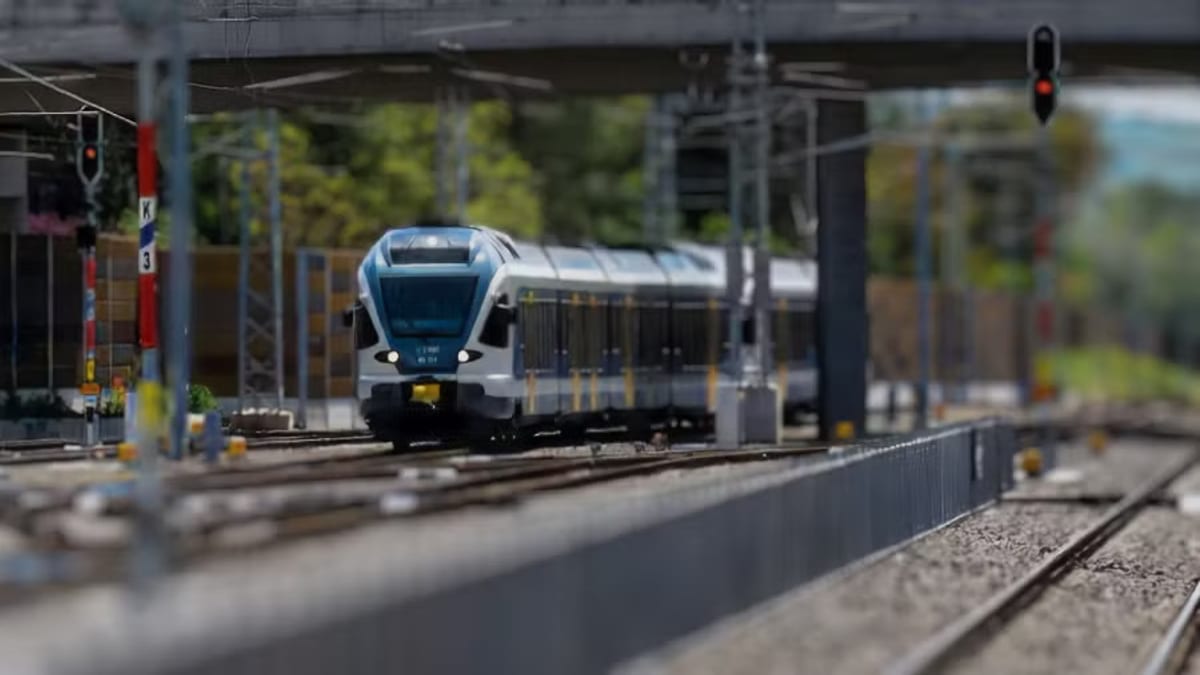
Image by Latest International Railway News, Global Rail Industry News
A new chapter for Japan’s luxury sightseeing trains
The planned Vies service is being developed as a premium excursion train designed specifically around gastronomy and views, rather than point-to-point transport. Publicly available information indicates that the concept centers on multi-course fine dining served on board while passengers travel through some of Japan’s most scenic regions.
The project is emerging against a backdrop of strong interest in experiential rail travel. Japan already offers a portfolio of upscale sightseeing trains, from multi-day cruise-style journeys to regional restaurant trains, and the Vies concept appears aimed at a niche that combines the intimacy of a dining train with the design sophistication of flagship luxury services.
Positioned for a 2028 launch, Vies is expected to arrive at a time when inbound tourism to Japan is projected to remain robust and travelers are increasingly seeking slower, more immersive ways to experience the country beyond its high-speed rail network.
Design focus on cuisine, interiors, and curated views
Early descriptions suggest that Vies will prioritize culinary excellence, with menus built around seasonal Japanese ingredients and presentation that mirrors high-end city restaurants. The train is expected to operate on relatively short itineraries compared with overnight cruise trains, allowing chefs to focus on tightly choreographed service from aperitif to dessert.
Interior design is anticipated to follow recent trends in Japanese luxury rolling stock, which often emphasize warm woods, subdued lighting, and large picture windows to frame passing landscapes. Seating layouts on Vies are expected to favor spacious tables and generous aisle room to preserve a restaurant-like atmosphere rather than a conventional rail-car configuration.
The emphasis on views aligns with broader developments in sightseeing trains across Japan, where routes are carefully chosen to showcase coasts, mountains, and rural townscapes. Reports indicate that Vies planners are evaluating corridors where track geometry, tunnels, and urban density will not compromise the visual appeal that is central to the experience.
Strategic timing within Japan’s tourism and transport policy
The planned 2028 debut places Vies within a medium-term window in which Japan continues to promote regional revitalization through tourism. Luxury and sightseeing trains have been used as tools to direct higher-spending visitors into smaller cities and rural areas, supporting local hospitality and food producers.
By foregrounding fine dining, Vies is expected to create new opportunities for partnerships with regional farmers, fisheries, and artisanal food makers, integrating local specialties into course menus. This approach is consistent with other premium train initiatives that treat the onboard table as a showcase for prefectural cuisine and seasonal products.
The project also complements efforts to diversify rail offerings beyond high-speed services. While the Shinkansen network remains the backbone for long-distance travel, tourism-oriented trains like Vies are designed to encourage visitors to slow their pace, spend more time in specific regions, and view rail journeys as destinations in their own right.
Competitive landscape in global luxury rail travel
Globally, luxury rail has seen renewed interest as travelers look for lower-stress alternatives to air travel and seek journeys that combine comfort, heritage, and gastronomy. Japan’s existing luxury trains already appear in rankings alongside well-known international services, and the arrival of Vies is likely to strengthen the country’s position in this segment.
Industry observers note that fine dining trains with fixed, reservation-only seating and limited departures tend to generate high demand, particularly among travelers interested in pairing rail experiences with stays at traditional inns or design-led hotels. Vies is expected to appeal to this market, especially visitors who appreciate Japanese culinary culture but prefer a curated, small-scale setting.
With its relatively compact geography and dense rail network, Japan is well suited to half-day and full-day gourmet excursions by train. The challenge for Vies planners will be to differentiate the service within a field that already includes several acclaimed luxury rail products, each with distinctive routes, cabin styles, and culinary approaches.
What prospective passengers can expect by 2028
While detailed timetables, pricing, and route maps have not yet been finalized, the Vies concept points toward an experience built around advance reservations, limited seating, and carefully timed runs that match meal periods with scenic sections of track. Prospective passengers can expect a ticket structure that reflects both the onboard cuisine and the exclusivity of the service.
Early indications suggest that Vies will likely operate with a small number of cars, allowing staff to maintain high service standards and creating a quiet environment suited to multi-course dining. The atmosphere is expected to lean more toward a contemporary fine dining room than a nostalgic heritage train, mirroring current trends in Japanese design.
As plans evolve ahead of the projected 2028 launch, further details are expected to clarify how frequently Vies will run, which regions it will highlight, and how it will coordinate with broader tourism initiatives. For now, the project signals that Japan intends to continue innovating in luxury rail, using trains not only as transportation, but as moving venues for some of the country’s most refined culinary and scenic experiences.