

More news on this day
European airports are warning that a systemic jet fuel shortage could emerge within the next three weeks, raising the prospect of higher fares, reduced flight schedules and potential disruption to summer holiday travel across the continent.
Get the latest news straight to your inbox!
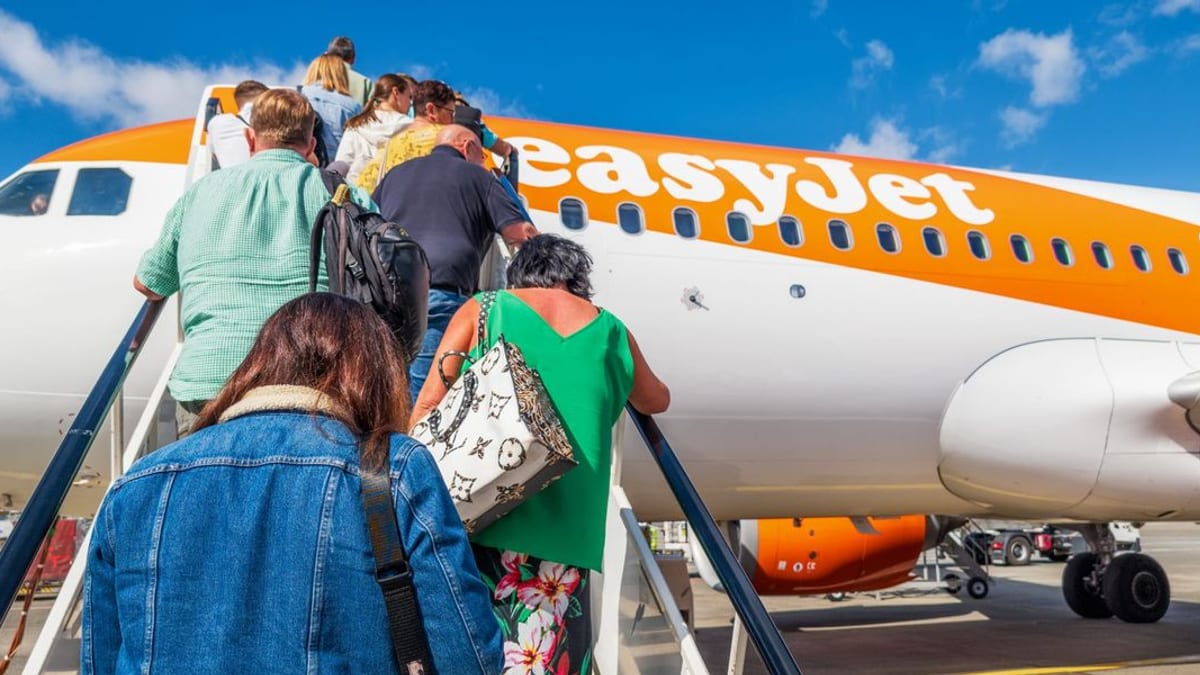
Airports Sound Alarm Over Three-Week Jet Fuel Window
Newly released correspondence from Europe’s airport industry has highlighted what it describes as a three week window to avert a systemic shortage of jet fuel ahead of the peak summer season. According to published coverage, the warning was sent to senior European Union officials as fighting in and around the Strait of Hormuz continues to restrict key oil and refined product shipments.
The Airports Council International Europe, representing hundreds of airports across the region, has cautioned that if flows through the Strait of Hormuz do not resume in a stable and sustained way within that timeframe, fuel supplies could tighten sharply. Publicly available information indicates that Europe relies heavily on imports of jet fuel and key blending components from the Gulf region, leaving the sector exposed when shipping lanes are disrupted.
The latest alert builds on weeks of mounting concern as airlines, fuel suppliers and aviation analysts track the final cargoes that left the Gulf before restrictions intensified. Market intelligence firms have noted that those shipments are now arriving at European ports, meaning any continued shortfall in new supply will increasingly be felt in day to day operations later in April and into May.
While outright shortages at major hubs have not materialised so far, industry data show that jet fuel prices have more than doubled compared with a year ago, driven by both reduced supply and longer flight routings around closed or risky airspace. That price surge is already feeding into airline cost calculations for the summer timetable.
Middle East Conflict Tightens Global Fuel Supply
The warning from European airports is unfolding against the backdrop of a wider fuel shock linked to the conflict involving Iran and its neighbours. The closure and intermittent reopening of the Strait of Hormuz, one of the world’s most important chokepoints for oil and refined products, has stranded cargoes and forced energy companies to reroute tankers over far longer distances.
Economic and energy analyses describe the current disruption as one of the largest sudden hits to global oil supply in recent decades, with several Gulf producers cutting exports as maritime risks rise. Brent crude prices have climbed well above the levels seen in previous years, and jet fuel markets have tightened in tandem.
Aviation specific assessments indicate that the impact on airlines is twofold. Carriers are paying significantly more for each tonne of fuel, and in some regions they are also facing operational limits on how much fuel is available on a given day. In South Africa and parts of Asia, airline and government updates have pointed to inventories that could cover only a few weeks of normal demand if supply routes are not restored.
In Europe, refiners are trying to increase jet fuel output and imports are pivoting toward the United States and other alternative suppliers. However, observers note that these shifts take time to scale up and cannot fully compensate if Gulf flows remain constrained into the northern summer, when global demand for aviation fuel typically reaches its annual peak.
Early Signs of Strain at European Airports
Some regional airports have already begun to implement precautionary measures in response to the changing fuel landscape. Reports from Italy describe temporary restrictions and tighter allocation at several airports following disruption at a key supplier, prompting airlines to adjust refuelling patterns and in some cases tanker extra fuel from other bases.
Industry surveys suggest that, on paper, commercial jet fuel stocks in major European markets remain relatively comfortable, in some instances representing several months of average demand. Yet aviation analysts caution that headline stock figures can mask bottlenecks in local distribution, storage constraints and the difficulty of quickly moving fuel to the right place at the right time as schedules ramp up for summer.
Ahead of the school holiday period, the combination of high prices and logistical uncertainty is already influencing airline planning. Public statements and financial guidance from several carriers indicate plans to trim capacity modestly, especially on marginal or less profitable routes, as they seek to protect yields and manage exposure to further fuel cost spikes.
Some low cost airlines operating dense intra European networks have indicated that they are monitoring supply risks closely and may adjust frequencies or shift capacity between bases if local fuel constraints emerge. For travellers, this raises the prospect of fewer flight options or schedule changes on certain routes, even if headline seat capacity across Europe remains broadly robust.
What Summer Holidaymakers Can Expect
Travel industry commentary points to a summer in which availability of flights may remain relatively strong overall, but at higher prices and with less room for spontaneous deals. With fuel now accounting for an elevated share of airline operating costs, analysts expect carriers to pass on a significant portion of the increase to passengers through surcharges and higher base fares.
Experts tracking fare trends report that the usual pattern of last minute discounts for unfilled seats is already breaking down on some long haul and popular leisure routes. Instead, early bookers are often securing more favourable prices, while those waiting until late in the booking window are encountering steeper fares and fewer options, particularly for peak July and August departures.
Should jet fuel supply tighten markedly in the weeks ahead, the biggest operational risk for travellers is likely to be selective schedule pruning rather than widespread, sudden cancellations. Airlines facing local fuel constraints typically prioritise core routes and higher yielding services, cutting back lightly used frequencies, overnight rotations or flights at the edges of their networks.
Travel advisers therefore recommend paying close attention to schedule change notifications and allowing more flexibility for connections, especially when itineraries involve smaller regional airports that may be more vulnerable to local fuel bottlenecks. Holidaymakers booking package trips through tour operators may benefit from having rebooking and support options handled centrally if disruptions occur.
Policy Response and Industry Contingency Planning
The warning from Europe’s airport sector has intensified calls for a more coordinated policy response at EU level. Public reporting on the letter sent to Brussels highlights concerns about the lack of comprehensive, up to date mapping and monitoring of jet fuel production and availability across member states, at a time when the aviation sector is highly exposed to external shocks.
Airport and airline groups are pressing for measures to prioritise aviation fuel logistics, streamline permitting for alternative supply routes and ensure sufficient transparency around stock levels to support operational planning. Energy and transport policymakers, in turn, are weighing these demands against broader fuel security challenges affecting road transport, industry and power generation.
At the industry level, airlines are dusting off contingency playbooks first used during earlier oil shocks and pandemic related disruptions. These include increased fuel hedging where market conditions allow, more aggressive use of fuel saving flight procedures and aircraft, and closer coordination with airports and ground handlers to minimise delays that increase burn rates.
For now, the outlook for summer travel remains highly sensitive to developments in the Strait of Hormuz and the broader security situation in the Gulf. If shipping flows improve in the coming weeks, the worst case of a systemic jet fuel shortage across European airports could be averted, though travellers would still face elevated fares. If restrictions persist, however, the jet fuel crunch could become one of the defining risks for Europe’s 2026 holiday season.