


More news on this day
Jet2 flight LS219 departing from Leeds Bradford Airport has declared an in flight emergency and is diverting to Manchester, according to live flight tracking data and early aviation incident reports.
Get the latest news straight to your inbox!
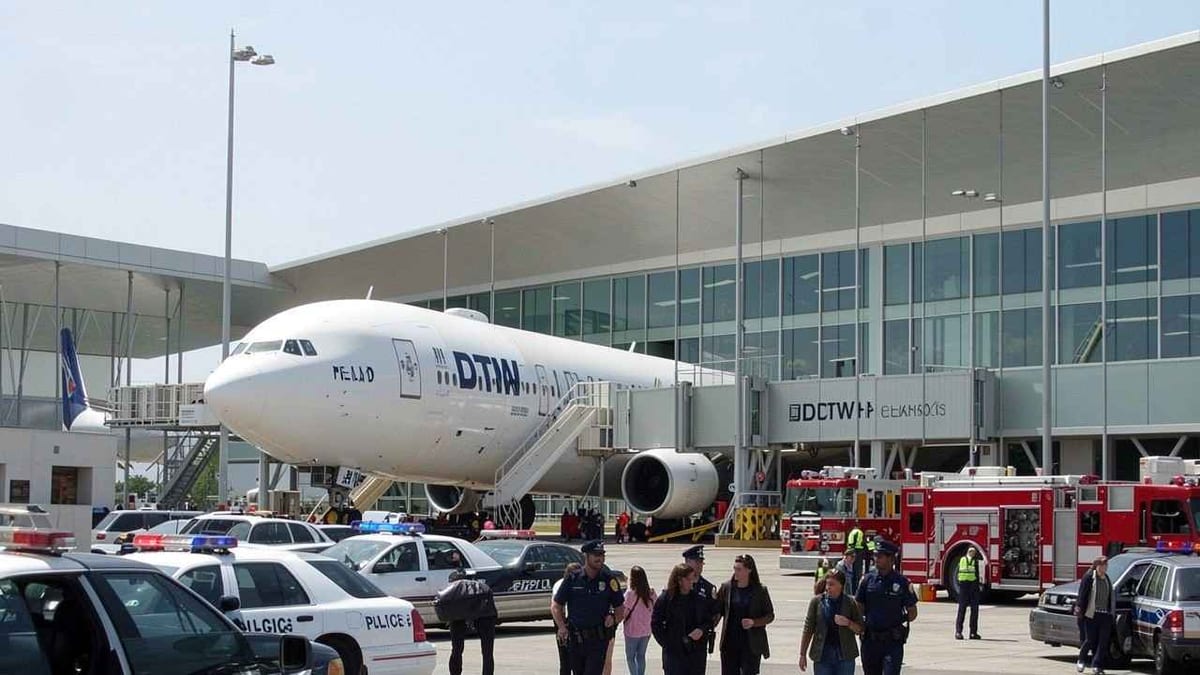
Flight from Leeds declares emergency en route
Live tracking information shows Jet2 service LS219 departing from Leeds Bradford Airport earlier today before declaring a general emergency code while airborne. The Boeing 737 aircraft appeared to abandon its planned routing shortly after departure and begin revectoring toward northwest England, with altitude and speed adjustments consistent with a precautionary diversion.
Publicly available flight tracking feeds indicated that the crew transmitted a 7700 transponder code, the standard signal used by commercial aircraft to indicate an in flight emergency. Soon afterward, the flight path shifted toward Manchester Airport, a major northern UK hub with extended runways and extensive ground support facilities for handling unplanned events.
Open source data did not immediately indicate the exact nature of the issue on board, and there were no early reports of any injuries. Similar incidents involving unscheduled diversions are frequently linked to technical alerts, medical situations among passengers or crew, or operational factors that make a landing at an alternate airport the safest option.
As of the latest tracking updates, LS219 is shown routing toward Manchester at a controlled descent profile, suggesting a managed and orderly approach rather than a rapid emergency descent. Aviation incident monitors reported airport emergency services being placed on precautionary standby, which is standard procedure whenever a 7700 alert is declared.
Manchester selected as diversion airport
Manchester Airport is a common diversion point for flights departing from or arriving into Leeds Bradford and other northern UK airports, owing to its longer runways, higher traffic capacity and dedicated emergency response infrastructure. The airport regularly receives diversions when aircraft require additional handling or when weather, traffic or runway conditions affect nearby airports.
Publicly available operational data shows that Jet2 maintains a significant presence at Manchester, including a maintenance and engineering base. This presence often makes Manchester a practical and efficient choice for a Jet2 crew managing an in flight issue, as it allows rapid technical inspection and, if necessary, aircraft substitution for onward travel.
In comparable past events involving Jet2 and other European carriers, diversions to larger hubs such as Manchester have allowed flights to land with priority handling while minimizing disruption to other air traffic. Reports from aviation observers indicate that LS219 has been sequenced into the Manchester arrival stream with spacing that allows emergency services to be positioned in advance of landing.
Once on the ground, passengers on diverted flights are typically disembarked for checks and may be accommodated in the terminal while the aircraft undergoes inspection. Depending on the outcome of technical or medical assessments, airlines may either clear the same aircraft for a later departure, position a replacement aircraft, or rebook customers on alternative services.
What is known so far about LS219
At this stage, only limited details about the incident involving LS219 are available from open sources. Tracking data, combined with live incident feeds used by aviation enthusiasts, indicate a textbook sequence for an in flight declaration, followed by a controlled diversion to an airport with enhanced support capabilities.
There have been no immediate indications from publicly accessible channels of unruly passenger behavior or visible structural issues, which are sometimes flagged quickly by eyewitness posts on social media. The current information pattern instead points to a precautionary response to an onboard alert or a situation best handled on the ground at a larger facility.
Jet2 has previously described a range of mid flight incidents as involving minor technical warnings or isolated onboard issues, even when diversions have prompted a visible emergency services presence at the destination. In many such cases across the airline industry, further investigation finds that systems operated conservatively as designed, with crews diverting early in order to keep risk well within safety margins.
For LS219, the full sequence of events will likely be clarified once more formal updates are issued through public channels, including standard statements about the safe landing of the aircraft, follow up arrangements for passengers and any initial assessment of the cause of the diversion.
Standard procedures for 7700 declarations
The 7700 transponder squawk used by LS219 is the universal code for a general emergency in aviation. When a flight crew enters this code, air traffic controllers immediately prioritize the aircraft, clear surrounding airspace and facilitate a direct routing to a suitable airport. Emergency services on the ground are placed on standby as a precaution, even when the flight continues under full pilot control.
According to general aviation guidance, a 7700 declaration can be triggered by a wide range of scenarios, including technical warnings, smoke or unusual odors, medical emergencies, fuel system concerns or other abnormal indications that require an expedited landing. The presence of this code does not automatically mean the aircraft is in immediate danger, but it ensures the crew receives maximum support.
At major UK airports such as Manchester, local emergency planning frameworks provide for a coordinated response involving the airport’s own fire and rescue services, medical personnel and, if needed, local emergency responders. These arrangements are regularly tested through exercises and have been activated for numerous precautionary landings involving European carriers in recent years.
For passengers, the experience of an emergency diversion can be unsettling, but industry statistics show that most such events conclude with routine landings and onward travel after checks. Airlines typically emphasize that diversions following cockpit alerts reflect a conservative safety culture in which any irregularity prompts a cautious response.
Impact on passengers and wider operations
The diversion of LS219 is likely to cause delays for customers on the affected flight and potentially for connecting services involving the same aircraft or crew. Operational data for previous Jet2 incidents indicates that the carrier often arranges alternative flights or repositions aircraft to limit the knock on effect across its schedule, particularly during busy travel periods from UK regional airports.
Passengers on LS219 can expect to be provided with updated information on their onward journey once the aircraft has landed and been assessed. In some previous cases, Jet2 has turned aircraft around relatively quickly following minor technical investigations, while in others customers have been moved to replacement aircraft or rebooked for later departures.
At Manchester, air traffic flow may experience short term adjustments as LS219 is given priority handling on arrival and the runway is briefly inspected following the landing. However, recent history at the airport suggests that such disruptions are usually brief, with overall schedules returning to normal once the aircraft has cleared the runway and stands.
Travelers scheduled to fly in or out of Leeds Bradford or Manchester around the time of the incident are likely to see only limited knock on effects, although some individual flights using the same aircraft rotation or crew pairing may experience delays. Publicly accessible schedules and airline notifications are expected to provide the most up to date guidance for affected customers as the situation develops.