

More news on this day
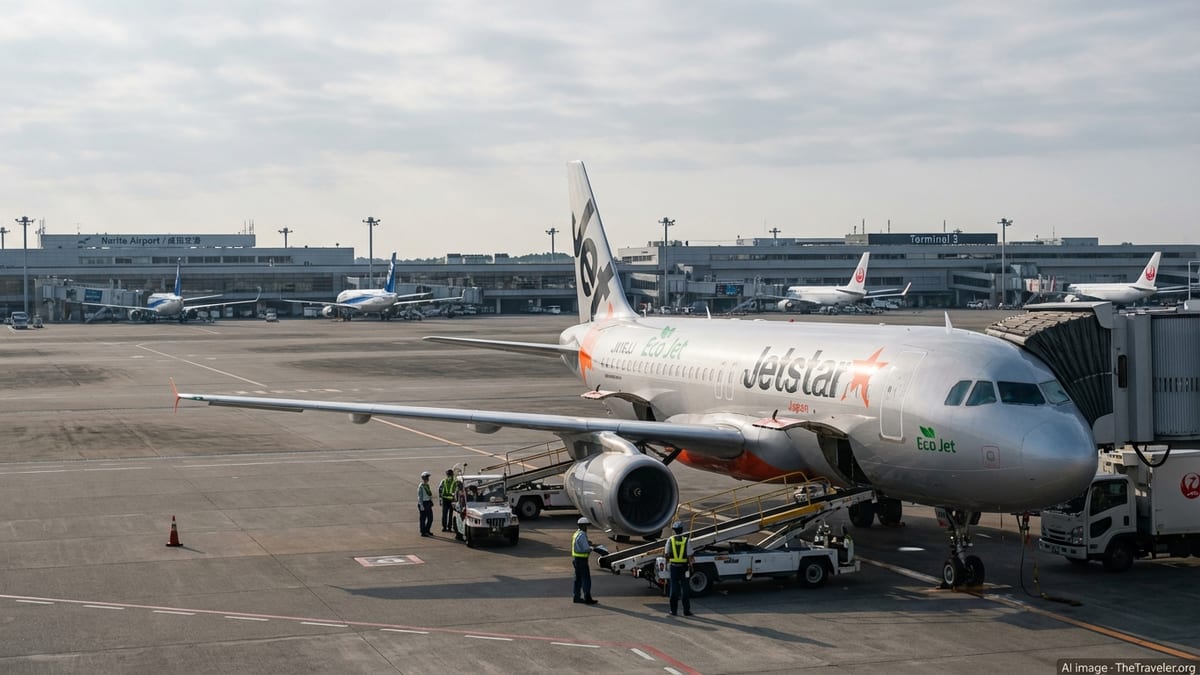
Jetstar Japan is set to launch a new daily service between Tokyo Narita and Hong Kong, operated by its more fuel-efficient Airbus A320 fleet, in a move that strengthens low-cost connectivity between Japan and one of Asia’s busiest international gateways.
New Daily Link Between Narita and Hong Kong
The new Jetstar Japan route will connect Tokyo Narita and Hong Kong with one daily round-trip flight, giving leisure and business travelers an additional low-cost option on this heavily trafficked corridor. The service is designed to plug directly into the airline’s existing domestic and regional network at Narita, making it easier for passengers from across Japan to reach Hong Kong with a single, coordinated connection.
The Tokyo Narita to Hong Kong sector is typically around four to five hours of flight time, positioning it squarely within the sweet spot for single-aisle aircraft such as the Airbus A320. By deploying narrowbody jets instead of larger widebody aircraft, Jetstar Japan can better match capacity to demand while offering competitive fares and frequent schedules suited to both weekend trips and longer stays.
Hong Kong’s status as a major financial center and gateway to southern China makes the route strategically important. For Jetstar Japan, the new service complements the broader Jetstar-branded network in the Asia Pacific region and taps into growing two-way tourism flows between Japan and Hong Kong, as visitors return in greater numbers following the full reopening of borders.
Eco-Focused Operations on Airbus A320
The Narita–Hong Kong flights will be operated by Jetstar Japan’s Airbus A320 aircraft, which the carrier highlights for their relatively low fuel burn and resulting reduction in carbon emissions per seat compared with older-generation jets of similar size. The airline has been progressively optimizing its fleet and flight operations, focusing on lighter onboard equipment, more efficient flight planning and careful fuel management to minimize environmental impact.
Configured in an all-economy layout tailored to a low-cost model, the A320 enables Jetstar Japan to keep unit costs down while increasing the number of seats available on each flight. This higher seating density, combined with newer, more efficient engines and aerodynamic improvements on the type, translates into lower emissions per passenger when aircraft are well filled, aligning with the airline’s eco-efficiency messaging on the new route.
Onboard, travelers can expect Jetstar Japan’s standard short-haul experience: buy-on-board food and beverages, optional comfort extras, and pre-purchased seat selection. While frills are limited, the A320’s single-aisle cabin and modern interior provide a familiar environment for regional flyers, with overhead LED lighting, slimline seats and large hand-luggage bins supporting fast turnarounds at both Narita and Hong Kong.
Schedule, Connectivity and Who the Route Serves
Jetstar Japan is structuring the new service to dovetail with key domestic arrivals and departures at Tokyo Narita, making it convenient for travelers originating in cities such as Sapporo, Fukuoka or Osaka to connect onward to Hong Kong. A daily schedule gives passengers the flexibility to depart nearly any day of the week without complex planning, while also helping business travelers schedule short trips around meetings or trade events.
Although exact departure and arrival times are subject to operational planning and regulatory approval, the flight is expected to leverage Narita’s established international banks of traffic. From the Hong Kong side, passengers will be able to link into a dense regional network offered by multiple carriers, giving them onward access to destinations across mainland China and Southeast Asia.
The route is particularly attractive for price-sensitive leisure travelers, including independent tourists, students and visiting friends and relatives traffic. At the same time, the robust corporate links between Japan and Hong Kong mean the flight is likely to see demand from small and medium-sized enterprises, traders and professionals seeking a cost-effective option alongside full-service competitors.
Fares, Booking and Travel Tips
As with other Jetstar Japan routes, fares on the Narita–Hong Kong flight will follow a low-cost model, with a base price that covers the seat and a standard carry-on allowance, and additional charges for checked baggage, seat selection and in-flight meals. Early-booking sale periods are typically used to stimulate demand around the launch of a new service, so travelers eyeing peak holiday periods will benefit from monitoring promotional campaigns and locking in tickets well ahead of departure.
Passengers should pay close attention to baggage rules, as weight and size limits are strictly enforced to protect on-time performance and aircraft efficiency. Purchasing luggage and extra services in advance usually costs less than adding them at the airport, and can help avoid delays at check-in. Travelers connecting from domestic Jetstar Japan services at Narita should build in sufficient transfer time to clear security and, where required, immigration and customs formalities before their international departure.
With Hong Kong’s busy events calendar and Japan’s seasonal peaks around cherry blossom, Golden Week and the New Year period, demand on the route is expected to fluctuate significantly across the year. Flexible travelers who can avoid local holidays on either side of the route are more likely to find lower fares and more seat availability on the new daily A320-operated service.