


More news on this day
Travelers passing through Kansas City International Airport on May 18 faced mounting frustration as delays and a small number of cancellations on Southwest, Delta, United and American Airlines rippled out from major hubs including Chicago, Dallas and Atlanta, contributing to 84 delayed flights and four cancellations across the country.
Get the latest news straight to your inbox!
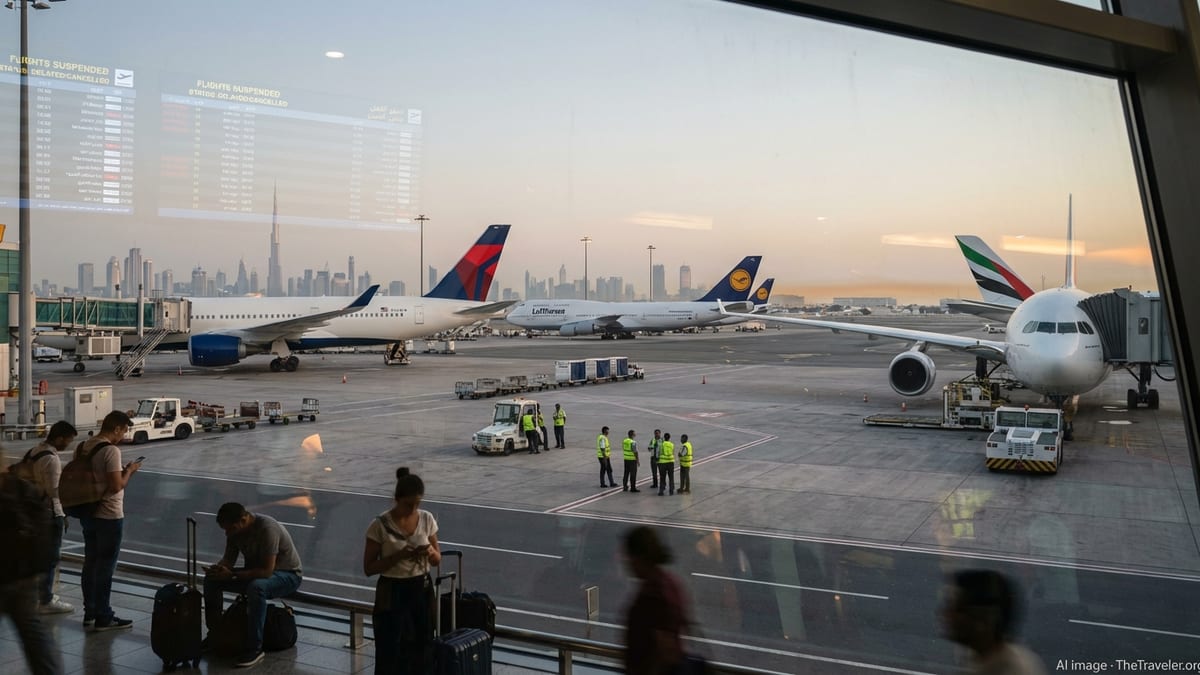
Ripple Effects From Major Hubs Hit Kansas City Departures
Publicly available flight tracking boards for May 18 show disruptions centered on some of the country’s busiest hubs, including Chicago, Dallas and Atlanta, with late arriving aircraft and ground congestion affecting onward connections to and from Kansas City. As operations tightened at these large airports, delays accumulated on routes served by Southwest, Delta, United and American, leaving Kansas City passengers facing extended waits at gates and crowded concourses.
Data compiled from same day status reports indicate that most of the 84 delayed flights were held between 30 minutes and just over two hours, with rolling schedule changes across the afternoon peak. While only four flights were ultimately listed as canceled nationwide within this snapshot of activity, the pattern of repeated pushbacks and gate holds proved disruptive for passengers attempting to make meetings, family events and same day connections.
Schedule boards at Kansas City reflected the knock on effect of conditions elsewhere, with several departures to Chicago and Dallas showing delay annotations even where local weather remained largely favorable. Industry analysis frequently highlights how hub level constraints, including airfield congestion and air traffic flow management, can trigger widespread secondary delays on regional spokes such as Kansas City.
According to airlines’ own operational summaries, the majority of affected flights remained in service but arrived behind schedule as crews and aircraft cycled through congested hubs. For travelers in Kansas City, that meant long lines at customer service desks, busy phone support channels and rapidly changing estimated departure times.
Southwest, Delta, United and American All Register Setbacks
The four largest carriers serving Kansas City shouldered the bulk of the disruption. Southwest, which maintains an extensive domestic network from cities such as Chicago Midway and Dallas, recorded multiple delays into and out of Kansas City as aircraft originating from already late flights arrived behind schedule. Similar patterns appeared in public data for Delta, United and American flights connecting through Atlanta, Chicago O’Hare and Dallas Fort Worth.
Recent Air Travel Consumer Reports from the U.S. Department of Transportation show that these airlines generally complete the vast majority of their schedules, but also document that even small percentages of delays can translate into thousands of affected passengers on busy days. Historical statistics further indicate that late arriving aircraft and national airspace constraints are consistently among the top drivers of delays across major U.S. carriers.
On May 18, Kansas City routes touched by these large networks were particularly exposed to upstream issues. For example, flights departing from hub airports after earlier holding patterns or ground stops faced turn times that were compressed or rescheduled, leading to new departure estimates for subsequent legs bound for Kansas City and other mid sized markets.
Operational performance dashboards maintained by the airlines suggest that, while the overall cancellation rate remained relatively low for the day, simultaneous delays at several hubs placed additional strain on crew scheduling and maintenance windows. That added complexity can increase the likelihood of further rolling delays, even when weather improves or traffic restrictions are lifted.
Weather, Airspace Management and Peak Demand Combine
Analysis of national aviation data for this spring points to a familiar combination of factors behind the latest round of disruptions. Seasonal thunderstorms around Chicago and Dallas, together with periods of low visibility and heavy traffic flows into Atlanta and other major hubs, have periodically triggered ground delay programs and spacing requirements that slow arrivals and departures.
Research into air traffic flow management practices has shown that these protective measures improve safety but can also create substantial knock on delays when forecasts change or demand outpaces available capacity. Once flights fall significantly behind schedule at a handful of key hubs, aircraft and crew rotations become harder to maintain, and passengers in outstation cities like Kansas City can experience significant waits even in clear local conditions.
Government and industry statistics for recent years underscore that the national aviation system routinely operates close to capacity on peak travel days, leaving limited margin for recovery when storms or operational challenges emerge at multiple hubs at once. In this context, a cluster of 84 delayed flights and four cancellations tied to a single day’s disruptions fits within broader patterns of strain during busy periods.
Passenger advocacy groups have noted that such days, while not extreme in terms of raw cancellation numbers, can feel just as disruptive when prolonged gate holds and missed connections lead to rebookings, meal vouchers and unplanned overnight stays. For travelers in Kansas City watching departure times slide throughout the afternoon, the cumulative effect of seemingly modest delays added up to a difficult travel experience.
What the Disruptions Mean for Summer Travelers
With the summer peak approaching, the Kansas City delays serve as a reminder that travelers across the United States remain vulnerable to network wide disruptions originating at a few major hubs. Industry commentators caution that as demand returns toward or beyond pre pandemic levels, days like May 18 are likely to recur whenever weather or operational complications intersect with heavy traffic at multiple large airports.
Recent consumer guidance from transportation agencies and passenger rights organizations has urged travelers to build more flexibility into their plans, particularly when connecting through major hubs such as Chicago, Dallas and Atlanta. Recommendations frequently include booking earlier flights where possible, allowing generous connection times and monitoring flight status closely via airline apps and airport displays.
For travelers using Kansas City as either an origin or connection point, the pattern observed on May 18 highlights the value of contingency planning. Same day adjustments, such as switching to alternative routings or moving to flights that depart before peak thunderstorm windows at hub airports, can sometimes reduce exposure to widespread delays.
Analysts also note that greater familiarity with passenger rights and airline policies can help travelers respond more effectively when disruptions occur. Understanding options for rebooking, meal or hotel support, and the circumstances under which compensation may be available can make a significant difference when a minor schedule change turns into hours at the gate.
Outlook for Operations in Kansas City and Beyond
As airlines review the latest round of delays, operational planners are likely to focus on how quickly schedules were restored and where bottlenecks proved most persistent. National performance data suggest that carriers have improved recovery times since the height of earlier disruption periods, but vulnerabilities remain when several high traffic hubs experience problems on the same day.
In Kansas City, the experience of May 18 illustrates both progress and remaining challenges. Most affected flights eventually operated, and the number of outright cancellations remained limited to a small fraction of the overall schedule. At the same time, gate areas and customer service counters were visibly busier as travelers sought updated information, alternative connections and assurances about missed plans.
Looking ahead, aviation observers expect continued investment in technology, staffing and infrastructure aimed at improving resilience during peak demand and adverse weather events. Enhancements to forecasting tools, crew management systems and real time passenger communication platforms are all seen as potential contributors to smoothing out days like May 18.
For now, however, travelers in Kansas City and across the United States are likely to continue encountering intermittent days of heavy delay activity as the nation’s air traffic system operates near capacity. The latest disruptions underscore the importance of preparation, flexibility and awareness for anyone planning to fly through Chicago, Dallas, Atlanta or other major hubs in the coming weeks.